
Dawa Mobile Container House
Information about Dawa mobile container houses can be summarized in terms of product types, application scenarios, core advantages, and selection points.
Diverse Product Types
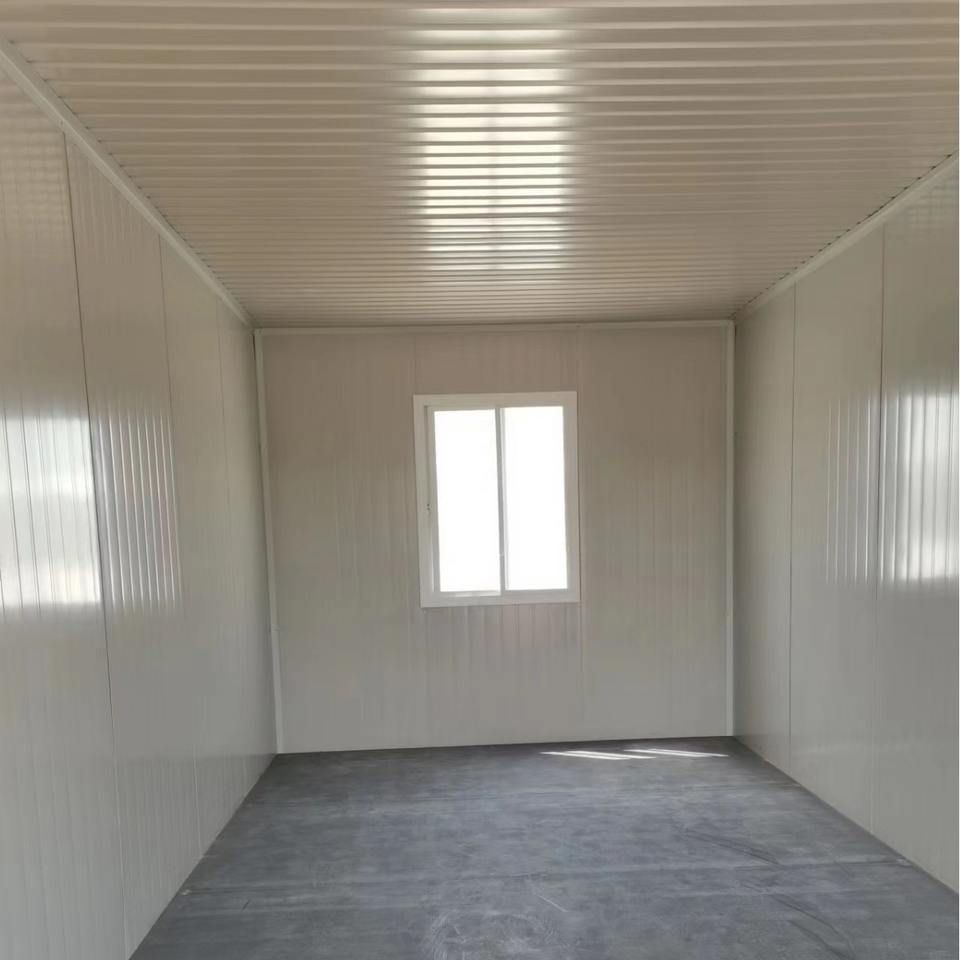
Mobile container houses in the Dawa region encompass various types, including standard residential containers, quick-assembly container houses, packing-box units, and foldable container houses. Some products support customized designs, such as double-wing expandable container houses and creative integrated structures, meeting the personalized needs of different scenarios. For example, sealed, insulated, moisture-resistant, and corrosion-resistant packing-box units are commonly used for construction site dormitories; while double-wing expandable container houses with good lighting, ventilation, and complete interior decoration are preferred for high-end project offices.
Widely Applicable Scenarios
The application scenarios of mobile container houses include temporary construction for building projects, cultural and tourism projects, municipal public services, and corporate expansions. In construction projects, their rapid deployment and cost-effectiveness make them the top choice for dormitories and office areas on construction sites. In cultural and tourism projects, products with strong design elements, such as space capsules and internet-famous homestay containers, can create scenic accommodation spaces. In the municipal sector, they are used for public facilities like mobile toilets and epidemic prevention booths. For corporate expansions, modular combination solutions like multi-story office and dormitory buildings and complete camp guest rooms can efficiently address space needs.
Outstanding Core Advantages
- Structural Safety and Durability: The main body is made of high-strength steel, with seismic and wind resistance typically reaching Level 12. The design service life is 15-20 years, and it supports multiple disassemblies and relocations.
- Environmental Protection and Energy Efficiency: Factory-prefabricated production reduces on-site construction waste by more than 80%. The walls are filled with Class A fire-resistant rock wool or glass wool, providing excellent thermal insulation and meeting green building standards.
- Functional Flexibility: Customization is available from basic doors, windows, water, and electricity to high-end interior and exterior decoration and smart home systems. Standard container sizes (e.g., 6m3m2.8m) can be freely spliced and combined to form multi-functional spaces for offices, living, and commerce.
Key Selection Points
- Core Performance Parameters: Prioritize products with fire resistance ratings that meet standards (e.g., Class A rock wool panels), wind pressure and load-bearing capacities that comply with regional climate requirements (e.g., ≥ Level 10 wind resistance in coastal areas), and low modular disassembly and relocation loss rates (high-quality products should be below 3%).
- Manufacturer's Comprehensive Strength: Evaluate whether the manufacturer has full industry chain coverage capabilities, such as closed-loop services from material production to finished product assembly, as well as environmental compliance (formaldehyde emission ≤ 0.05mg/m³).
- Scenario Adaptability: Select product types based on specific needs, such as foldable packing-box units for rapid deployment in emergency shelters, and container toilets with unified appearance and complete water and electricity facilities for municipal guard booths.



