
Cost-effectiveness of Prefabricated Houses
The high cost-effectiveness of prefabricated houses is reflected in multiple aspects such as price, construction period, quality and performance, and market performance.
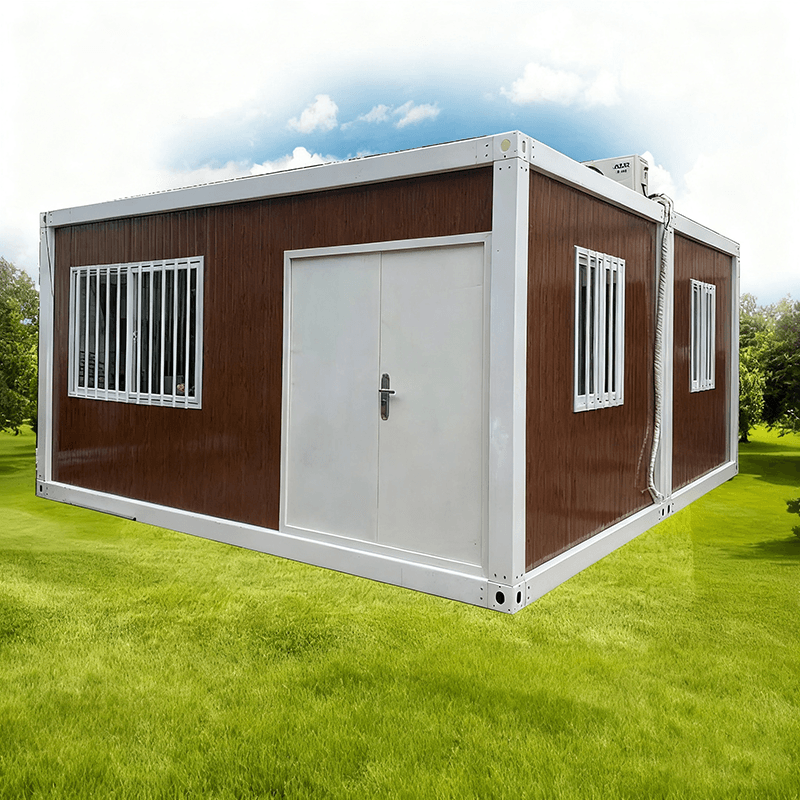
Significant price advantage: In European and American countries, the price advantage of prefabricated houses is particularly prominent. For example, for a prefabricated house costing 200,000 RMB, if you hire workers to build a room of the same size in the United States, the labor cost alone could be as much as that. Moreover, a 200,000 RMB prefabricated house can be delivered with fine decoration, complete with a bedroom, kitchen, and independent bathroom, and even a reserved position for a split-type air conditioner. In addition, the factory-based production model reduces the overall cost. It is reported that the cost per square meter of a prefabricated house can be as low as several hundred RMB, and the total price of a house can be controlled at around 200,000 RMB.
Outstanding construction period advantage: The construction speed of prefabricated houses is extremely fast, and the main construction period can be shortened to 15 - 30 days. There are even cases where a 200-square-meter house can be built in just 4 hours. It compresses the construction time that traditional buildings require, which can be several months or even a year, into one month of production, one month of transportation, and one day of assembly. Compared with traditional buildings, the construction period of modular buildings can be shortened by more than 60%. For example, in a public housing project in Shenzhen, Guangdong, compared with traditional construction methods, the completion and delivery period was reduced from 2.5 to 3 years to 1 year.
Superior quality and performance: The quality of prefabricated houses is more controllable. Standardized production methods are adopted, reducing human errors in on-site construction. In terms of performance, they use new thermal insulation materials, and their thermal insulation performance is usually better than that of traditional brick-concrete structures, providing a more comfortable living environment for occupants.
Good market performance: China's export volume of prefabricated buildings increased from 1.472 billion US dollars in 2015 to 4.339 billion US dollars in 2025, nearly tripling in a decade, with a growth rate of 45% in the first quarter of 2026 alone. In the first quarter of this year, the export growth rate of China's prefabricated buildings was as high as 45%. Just Guangdong Customs exported goods worth 1.4 billion in the first four months, a year-on-year surge of 38.1%. This fully reflects the popularity and strong market competitiveness of prefabricated houses in the international market.



