
Container-style House
A container-style house is a mobile modular building that uses standard containers as carriers and is transformed after modification. It has the characteristics of a sturdy structure, convenient transportation, rapid deployment, and recyclability, and is widely used in temporary offices, accommodations, commerce, emergency support, and other scenarios.
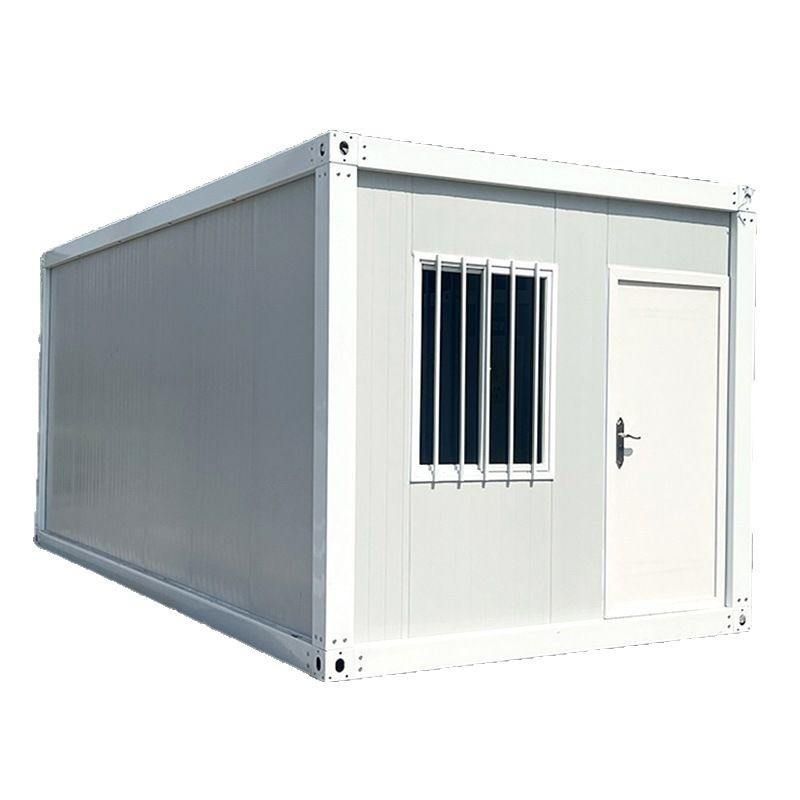
Structure and Types
Container-style houses are based on standard containers (common sizes are 20 feet and 40 feet) and are transformed into independent functional units. According to differences in structure and use, they can be divided into four categories:
- Standard container-style house: Directly transform the container, with a sturdy structure, suitable for long-term use, such as the athlete dormitories at the Nagoya Asian Games.
- Folding container house: Adopt a folding design, compress the volume during transportation, and quickly unfold upon arrival, suitable for emergency rescue, short-term turnover, and other scenarios.
- Assembled container house: Combine light steel keels with color steel plates, assemble them modularly on-site, and can be flexibly expanded according to needs, suitable for temporary offices in parks, event planning, and other scenarios.
- Expanded container house: Add side or end expansion cabins on the basis of containers, increasing the usable area by 30%-50% after expansion, suitable for long-term on-site offices with high requirements for space comfort.
Performance Characteristics
- Structural stability: A full steel structure frame with a wind resistance rating of up to Level 12 and an earthquake resistance rating of Level 8, complying with building seismic design codes. Under extreme working conditions, the frame deformation rate is far lower than the industry threshold.
- Installation efficiency: Short installation time for a single set, supports on-demand splicing and combination, and rapid delivery.
- Transportation and storage: Small volume after folding, multiple sets can be loaded on a single truck, reducing transportation costs; small storage space occupation and low long-term storage costs.
- Reusability: Supports multiple disassembly and assembly cycles for reuse. Compliant products can have an average of more than 8 disassembly and assembly reuse cycles, reducing construction waste emissions by about 90% and having high resource utilization.
Application Scenarios
Container-style houses have covered dozens of scenarios such as engineering camps, commercial pop-ups, government and enterprise temporary buildings, cultural and tourism homestays, and emergency support, becoming a core solution for temporary buildings. For example, the Nagoya Asian Games used container-style dormitories to accommodate athletes; the Qatar World Cup fan village project adopted container houses to quickly complete the delivery of accommodation modules.



