
Construction of Container Solar Houses
The construction of container solar houses is feasible, with multiple practical cases demonstrating their advantages in structural design, technological integration, and cost control. Customized or standardized products can be selected based on specific needs.
I. Structural Design
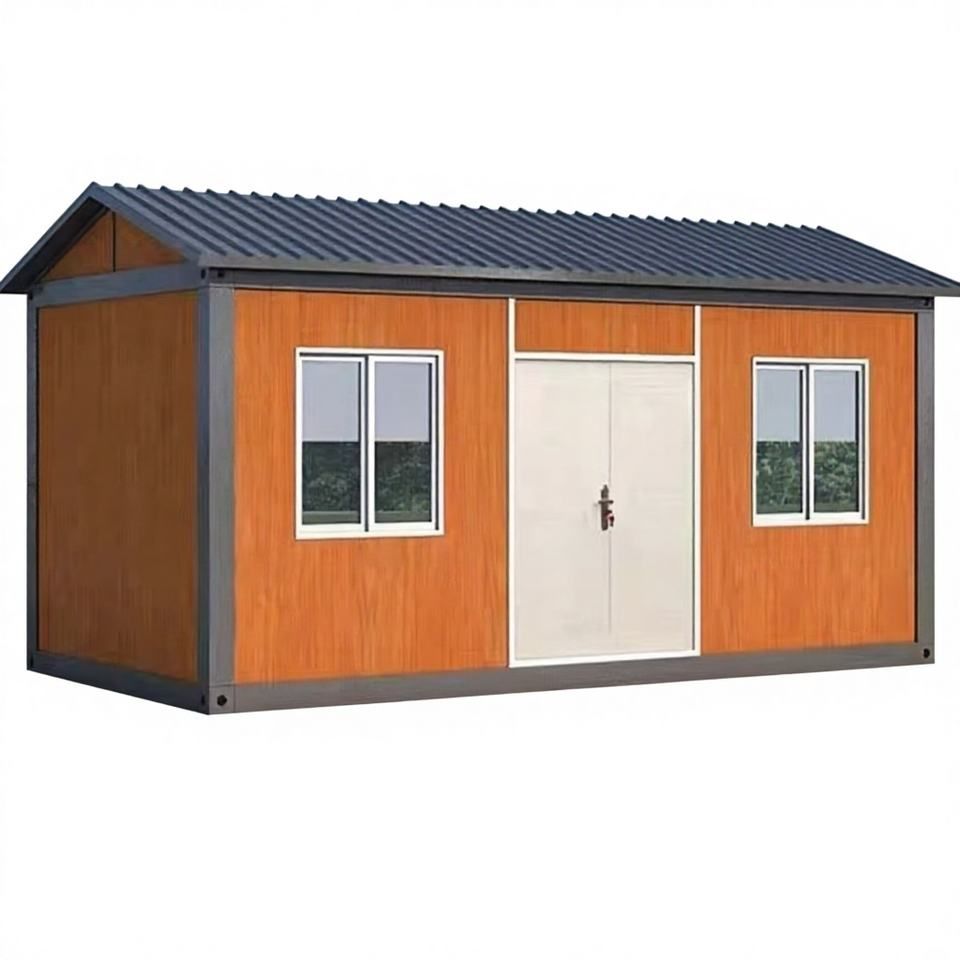
Container solar houses typically adopt a modular design, forming living spaces through the combination of multiple containers. For example, Tongji University's 'Sunshine Container House' uses six containers to assemble a Y-shaped structure with a building area of 90 square meters, ensuring space utilization while optimizing lighting and ventilation through a reasonable layout. Soochow University's 'Mini Villa' is based on a single 12-square-meter used container, achieving functional zoning for bedrooms, kitchens, and bathrooms through internal space reconstruction, suitable for small-scale living scenarios. Standardized products on the market, such as those from brands like Baite and Yinguang, offer various types including non-standard containers, fixed, and foldable models, with materials covering stainless steel and steel containers to meet different construction needs.
II. Technological Integration
The core of solar houses lies in the integration of energy self-sufficiency and environmental protection technologies. In the aforementioned cases, the 'Sunshine Container House' integrates a photovoltaic power generation system to convert solar energy into electricity for daily use; employs vacuum insulation technology to reduce heat transfer, combined with light guide tube lighting systems to lower energy consumption; and utilizes a rainwater collection system for water resource recycling. Soochow University's 'Mini Villa' provides hot water through solar collectors, regulates indoor temperature with concealed air conditioners, and enhances living comfort with soundproof, sun-blocking, and insulating walls. These technologies demonstrate that container houses can achieve efficient energy utilization and environmental friendliness by integrating photovoltaic, insulation, lighting, rainwater collection, and other systems.
III. Cost Control
The cost of container solar houses varies depending on design complexity and technological configuration. Soochow University's 'Mini Villa' has a total cost controlled at around 180,000 yuan, primarily due to the reuse of used containers and localized material procurement. Standardized products like Tianqin Electric's foldable containers reduce unit costs through mass production and support nationwide delivery, further reducing transportation and installation expenses. For customized projects, factors such as photovoltaic system capacity and insulation material grade need to be evaluated based on specific needs, but overall costs remain lower than traditional buildings, making them particularly suitable for cost-sensitive scenarios such as temporary housing and tourist attractions.



