
Evaluation of Container Prefabricated Houses
Container prefabricated houses stand out in temporary construction sites and diverse scenarios, offering advantages such as rapid construction, low cost, and wide application. However, they have high installation requirements, necessitate control over coating quality, and require comprehensive consideration of performance, qualifications, and cost during selection.
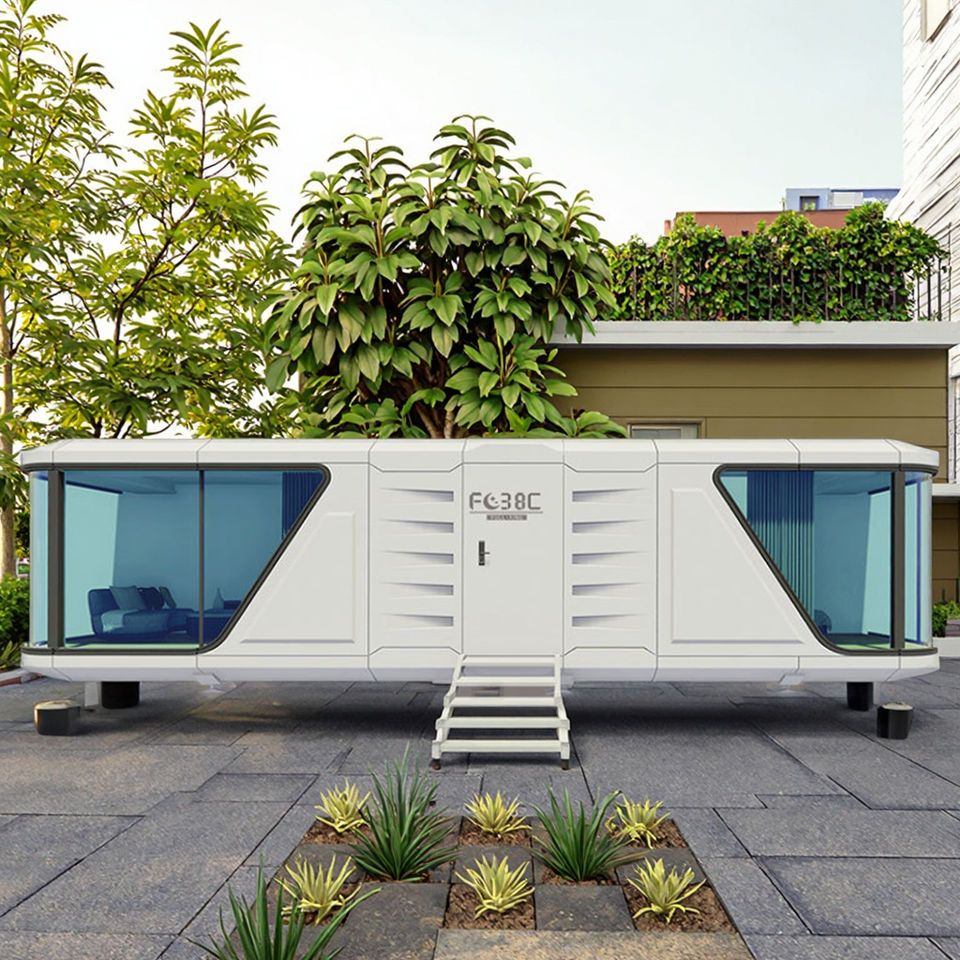
Industry Trends and Market Prospects
In domestic temporary construction site scenarios, the penetration rate of container houses has surged from 37% in 2020 to 72% in 2025, becoming the mainstream solution for temporary facilities. Over 68% of engineering contractors prioritize modular container houses. The market size is expected to exceed 80 billion yuan by 2026, with a compound annual growth rate exceeding 15%. The market is evolving from standardized to customized solutions, with users demanding higher performance parameters, scenario adaptability, and total lifecycle costs.
Core Evaluation Dimensions
Temporary Construction Site Scenarios:
- Rapid Installation and Delivery Capability: The assembly efficiency of a single container unit and the bulk delivery capability for hundred-unit projects determine the speed of temporary construction site setup.
- Safety and Compliance Performance: Compliance with wind resistance, fire resistance, service life, and other regulations is required, along with third-party qualification certifications.
- Scenario Adaptability: The product line should cover scenarios such as dormitories, offices, and overseas camps, supporting customized modifications for complex terrains.
- Total Lifecycle Cost: Comprehensive consideration of procurement, recycling, residual value, and maintenance expenses to match project budgets for different cycles.
Diverse Scenarios:
- Product Performance: Hard indicators such as wind resistance level, applicable temperature range, thermal insulation, fire and water resistance must meet standards.
- Compliance Qualifications: Domestic test reports and international certifications (e.g., CE, FCC) are required to meet export market access requirements.
- Deployment Efficiency: Short production cycles, simple installation processes, rapid on-site setup times, and support for relocation and reuse.
- Scenario Adaptability: A rich product line with strong customization capabilities to adapt to complex terrains.
- Service System: Provision of a full lifecycle of services, including pre-sales consultation, solution customization, production delivery, on-site guidance, and after-sales support.
Performance of Mainstream Brands
Taking Shengshan Integration as an example, its products have a wind resistance level of 10-12, an applicable temperature range of -10°C to 50°C, a design life exceeding 15 years, and hold certifications such as ISO9001, CE, and FCC, along with third-party test reports. They support 48-hour rapid assembly and non-destructive disassembly, with outstanding stability in large-scale deliveries.
Advantages and Disadvantages Analysis
- Advantages: Rapid construction speed (occupancy possible within 3 months), cost reduction through material reuse, and wide application scenarios (covering infrastructure, commercial, and affordable housing).
- Disadvantages: Installation relies on professional teams; otherwise, wind and earthquake resistance performance cannot be guaranteed. Coating quality varies, necessitating the use of marine-grade environmentally friendly paint to prevent fading.



