
Components of Container Mobile Housing
The main components of container mobile housing include frames, walls, roofs, doors and windows, and pre-installed interior facilities, etc..
Frames: The frame is the core supporting structure of container mobile housing, typically using C-shaped steel or all-steel structural frames to ensure the overall strength and stability of the house. Frame design needs to consider wind and earthquake resistance. For example, the frames of some high-quality products can meet standards of wind resistance up to level 12 and earthquake resistance up to level 8, complying with building structural load requirements. There are various connection methods for frames, including welding and bolt connections. Fully welded structures have a lower probability of bolt loosening after long-term turnover and use, offering better structural stability.
Walls and Roofs: Walls and roofs generally use color-coated steel sheets or other lightweight, high-strength materials, providing good thermal insulation, sound insulation, and waterproofing properties. Some products also incorporate insulation layers within the walls to enhance living comfort. Roof design needs to consider drainage and load-bearing to ensure no water accumulation or leakage under adverse weather conditions.
Doors and Windows: Doors and windows are important components of container mobile housing, directly affecting lighting, ventilation, and security. Door and window materials are mostly aluminum alloy or plastic-steel, equipped with double-glazed glass or anti-theft locks to enhance user experience and security. Some high-end products also feature special designs such as curved walls and floor-to-ceiling glass windows to meet the needs of commercial displays or high-end offices.
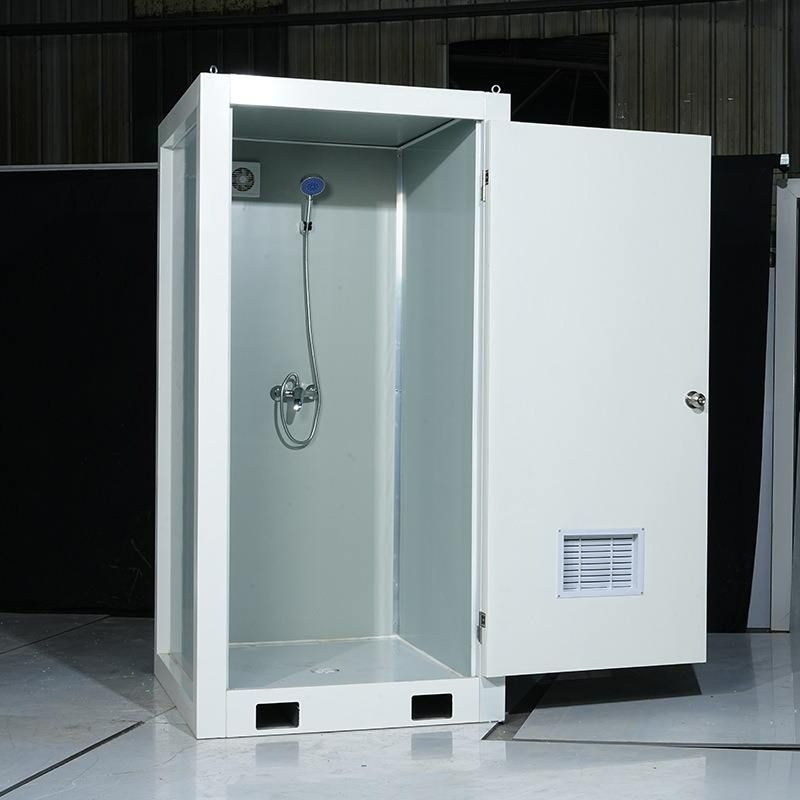
Pre-installed Interior Facilities: To enhance convenience of use, many container mobile houses come with pre-installed interiors before leaving the factory, including lighting, sockets, and basic furniture. Some products also support customized interiors, such as on-demand assembly and quick adjustment of internal partitions, adapting to various scenarios such as double occupancy dormitories, small offices, or meeting spaces.
Other Accessories: These include screws, connectors, etc., used for assembling and fixing frames. Some products are also equipped with folding structures for easy transportation and storage, with the folded volume being only 1/3 to 1/5 of the expanded state, significantly reducing transportation costs.



