
Waterproofing of Container Mobile Houses
For waterproofing container mobile houses, it is essential to focus on materials, construction, and maintenance. Standardized operations can effectively prevent water leakage issues.
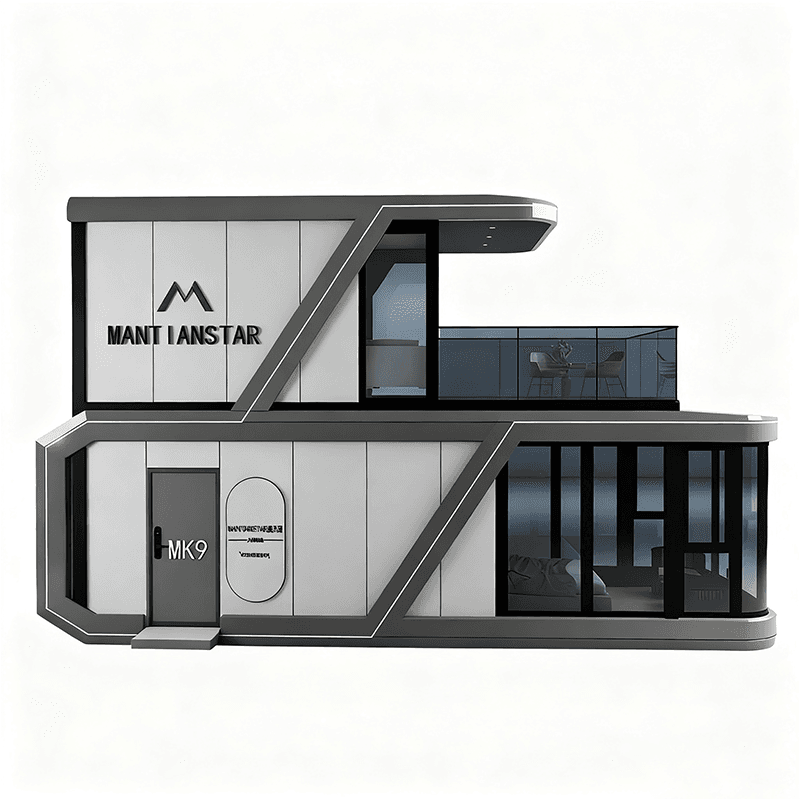
I. Selection of Waterproof Materials and Construction Specifications
The waterproof performance of container mobile houses primarily depends on the quality of materials. For roofs and seams, high-elastic waterproof coatings or specialized waterproof membranes should be used. These materials must possess weather resistance, UV resistance, and anti-aging properties to adapt to outdoor environments. During construction, ensure the substrate is flat and dry to prevent cracking of the waterproof layer due to substrate issues. For example, when applying waterproof adhesive to the roof, ensure uniform coverage of all seams and screw-fixing points to form a continuous waterproof membrane. Additionally, the sealing strips at container joints should be made of weather-resistant silicone sealant, whose elasticity can compensate for gaps caused by metal expansion and contraction, preventing rainwater infiltration.
II. Structural Design and Construction Details
The waterproof design of container mobile houses should incorporate structural characteristics. For instance, the roof should be designed with a slope to facilitate drainage and prevent water accumulation; gutters should maintain a transverse slope to ensure unobstructed outlets and prevent rainwater backflow. During construction, avoid randomly drilling holes in the roof panels. If equipment such as fans or exhaust pipes needs to be installed, reinforce waterproofing around the holes using waterproof sleeves or sealant filling. Furthermore, the waterproof gaskets of fasteners (such as screws) should be regularly inspected and promptly replaced if aged or damaged to prevent leakage due to loosening.
III. Routine Maintenance and Inspection
The lifespan of the waterproof layer is closely related to routine maintenance. It is recommended to conduct a comprehensive inspection of the roof, seams, and drainage system every six months, focusing on checking for cracks in the waterproof adhesive,脱落 (should be translated as 'detachment') of sealing strips, and blockages in drainage outlets. If signs of water leakage are detected, immediate repairs should be made to prevent the issue from escalating. For example, if loosening of roof fasteners is caused by trampling, re-tighten them and reapply waterproof adhesive; if the waterproof layer peels off due to aging, remove the old layer and reapply a new one.
IV. Case Studies and Industry Practices
Some manufacturers enhance waterproof performance through optimized designs. For example, the container homestay 'Apple Pod' adopts a curved roof design to optimize drainage paths; Yunnan Hongfeng Container Co., Ltd. ensures wind and rain resistance through strict quality control processes. These cases demonstrate that standardized construction and material selection are key to waterproofing.



