
Quay lại blog
Bài viết
Removal of Container Mobile Houses
Quản trị 15 tháng 9, 2026
The removal of container mobile houses should be carried out in combination with their modular and movable characteristics, following safety regulations and environmental protection requirements, and achieving efficient disassembly and material recycling through professional tools and processes.
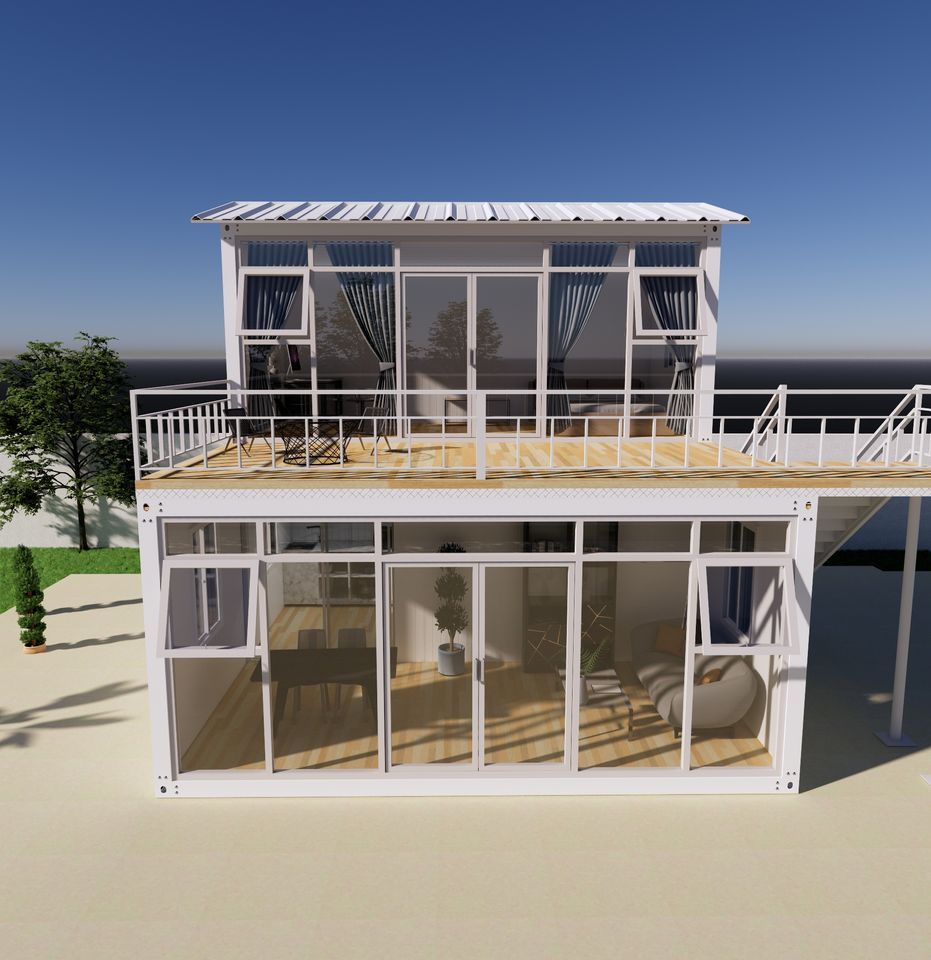
I. Preparations before Removal
- Structural Assessment: It is necessary to confirm the materials (such as color-coated steel plates, steel structures, corrugated plates, etc.), connection methods (bolt fixation or welding), and service life of the container mobile houses. For example, the container houses produced by Xi'an Tengdaxing Housing Engineering Co., Ltd. are made of galvanized steel and have a service life of up to 20 years. However, after long-term use, the structural stability needs to be checked.
- Safety Protection: Before removal, the items inside the house should be cleared out, the water and electricity supplies should be cut off, and warning signs should be set up. If the house is located on a construction site or in a public area, a safety perimeter should be demarcated to prevent the risk of falling objects or collapse.
- Tool Preparation: Select tools according to the connection method. For bolt-fixed structures, electric wrenches or pneumatic tools are required; for welded structures, angle grinders or cutting machines are needed. In addition, lifting equipment (such as forklifts or cranes) should be equipped for handling large components.
II. Removal Process and Key Points
- Removal of Doors, Windows, and Accessories: Prioritize the removal of附属设施 (ancillary facilities, here referring to doors, windows, circuit systems, lighting equipment, etc.) to avoid damage during subsequent operations. For example, the customized residential container mobile houses in Yuhang, Hangzhou, use embedded circuit interfaces, and care should be taken to separate the circuits from the walls during removal.
- Disassembly of Walls and Roofs:
- Color-coated steel plate walls: Use a wrench to remove the fixing bolts, disassemble the plates one by one, and stack them by category.
- Steel structure frames: For welded structures, use an angle grinder to cut the connection points; for bolt structures, disassemble them directly.
- Roofs: For flat roofs, first remove the covering layer (such as waterproof membranes) and then disassemble the supporting structures; for pitched roofs, disassemble the trusses and panels in order.
- Foundation Treatment: Container mobile houses usually do not require foundations. However, if there are fixed foundations (such as expansion bolts or concrete blocks), they should be removed using an impact drill or pneumatic pick, and the ground should be restored to flatness.
III. Material Recycling and Environmental Protection Requirements
- Metal Recycling: Steel structures, bolts, and other metal materials can be sent to recycling stations for smelting and reuse, reducing resource waste.
- Plate Processing: Color-coated steel plates and corrugated plates should be checked for damage. Slightly damaged ones can be repaired and used for temporary enclosures; severely damaged ones should be recycled by category to avoid environmental pollution.
- Waste Disposal: Insulation materials (such as rock wool) and circuit components should be handed over to professional institutions for recycling in accordance with hazardous waste disposal regulations to prevent soil or water source pollution.
IV. Professional Operation Suggestions
- Entrust a Professional Team: For example, Beijing Falilai Mobile Panel House Co., Ltd. provides full-process services, including removal, transportation, and recycling, to ensure standardized and safe operations.
- Refer to Industry Standards: The removal process should comply with requirements such as the "Technical Code for Safety of High-altitude Operations in Building Construction" (JGJ80) to avoid accidents caused by non-compliant operations.



