
Container Mobile House Overturn
The overturning of container mobile houses may be caused by design flaws, insufficient structural strength, unstable fixation, overloading, or external impacts, and requires analysis based on specific scenarios.
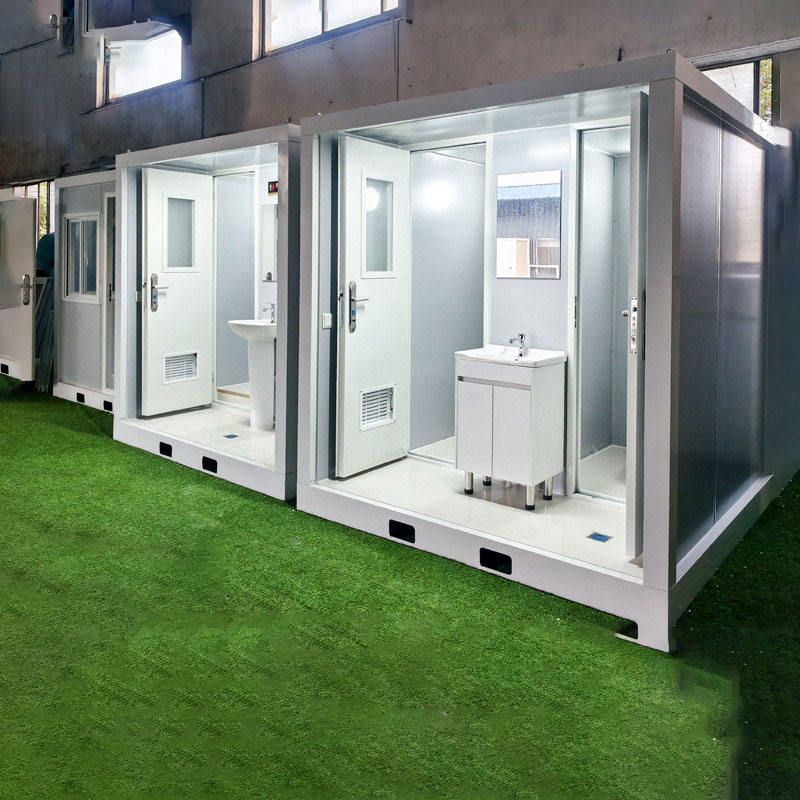
1. Design Flaws or Insufficient Structural Strength
The design of container mobile houses must meet specific load, wind resistance, and earthquake resistance requirements. If the design fails to fully consider usage scenarios (such as coastal high-humidity environments or complex terrains) or does not employ high-strength load-bearing frames (such as cold-rolled steel plates, galvanized steel beams and columns) and flame-retardant insulation materials (such as rock wool, polyurethane), it may lead to structural instability under extreme conditions. For example, the container camps at the Nagoya Asian Games exposed design neglect of actual needs due to cramped spaces and poor insulation.
2. Unstable Fixation or Foundation Issues
Containers must be fixed through standardized interfaces or ground anchors, especially in complex terrains or foundation-free conditions. If the fixation method is improper (such as not using bolt quick-assembly processes) or the foundation bearing capacity is insufficient, ground settlement or tilting may cause house displacement or overturning. Emergency shelter container houses must meet the standard of being "buildable without a foundation," and failure to do so significantly increases risks.
3. Overloading or Unreasonable Internal Layout
The internal layout of containers must comply with load specifications. Excessive stacking of heavy objects, dense occupancy, or improper installation of facilities such as beds and air conditioners may disrupt the center of gravity balance and increase the risk of overturning. For example, the container camps at the Nagoya Asian Games indirectly reflected the contradiction between space utilization and structural safety due to insufficient bed length and narrow aisles.
4. External Impacts or Natural Disasters
External forces such as storms, giant waves, or collisions can directly cause container displacement or collapse. For instance, the cargo ship "Maria Francisca" experienced "parametric rolling" due to a storm, leading to the collapse and falling into the sea of container stacks. Similarly, mobile houses that do not adopt protective measures such as wind resistance ratings of 10-12 and waterproof sealing are prone to accidents in extreme weather conditions.
5. Material Aging or Lack of Maintenance
After long-term use, container materials may experience strength degradation due to corrosion or fatigue. If aging components (such as connectors, seals) are not regularly inspected and replaced, or if fire prevention and insulation maintenance are not performed, structural failures may occur. In emergency scenarios, detachable and relocatable houses must support "no deformation after repeated use," otherwise high recycling rates may accumulate risks instead.



