
Container as Mobile House
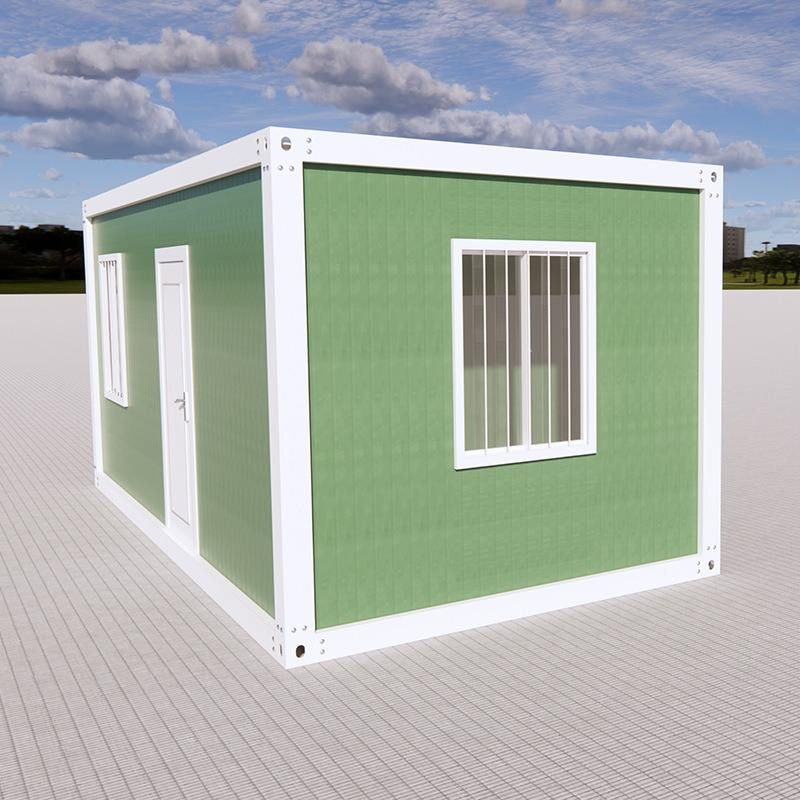
Container mobile houses offer advantages such as sturdy structure, convenient transportation, environmental friendliness and recyclability, flexible adaptability, and cost control. Details are as follows:
1. Structural and transportation advantages
Container mobile houses use standard containers as carriers and are transformed into independent units. Common sizes are 20-foot and 40-foot, which can be used singly or combined. Their steel structural frames endow them with high strength. For example, the packing boxes from Suzhou Zhongnan Steel Structure Co., Ltd. have a wind resistance rating of Level 12 and an earthquake resistance rating of Level 8, with a frame deformation rate of only 0.18%, far below the industry's qualified threshold of 0.3%. This structural stability makes them suitable for extreme working conditions, such as coastal typhoon areas or high-intensity earthquake zones. At the same time, the standardized sizes of containers facilitate sea transportation, land transportation, and lifting, allowing for rapid deployment worldwide. For example, the Chinese modular elderly care apartments purchased by British merchants took only two weeks from shipment to on-site lifting and installation.
2. Environmental friendliness and sustainability
Container mobile houses reduce the consumption of traditional building materials by reusing discarded containers, aligning with the trend of green buildings. Their construction process generates less noise and waste, and the lightweight steel structure can reduce the use of foundation materials by 60%-70%. In addition, the modular design supports the integration of environmentally friendly facilities such as solar panels and rainwater collection systems. For example, a 40-foot container house can optimize natural light utilization through skylights, reducing reliance on artificial lighting.
3. Flexibility and scenario adaptability
Container mobile houses support various modification forms:
- Folding type: During transportation, the volume is compressed to 1/5 of the expanded state. A single truck can carry 20 sets, and each set can be expanded in just 5 minutes, suitable for emergency rescue or short-term turnover scenarios.
- Expandable type: By adding side or end expansion cabins on the basis of containers, the usable area can be increased by 30%-50%, meeting the comfort needs of long-term on-site office work.
- Assembled type: Combining light steel keels with color steel plates for on-site modular assembly, it can be flexibly expanded according to the number of people and functional partitions, commonly seen in temporary office spaces in industrial parks or event planning sites.
4. Cost and efficiency advantages
Compared with traditional buildings, container mobile houses shorten the construction period by more than 60% and reduce labor costs by more than 50%. For example, the MRDC modular hotel project in Papua New Guinea compressed the overall delivery cycle from 14-18 months to 7 months. In addition, the factory prefabrication model keeps steel waste within 3%-5%, far lower than the 8%-12% on traditional construction sites.



