
Quay lại blog
Bài viết
Container Mobile House in Remote Mountains
Quản trị 15 tháng 9, 2026
Container mobile houses are feasible in remote mountain scenarios, but it is necessary to select appropriate types based on specific needs and address key issues such as transportation, deployment, and environmental adaptability. The following analysis is carried out from three aspects: technical adaptability, scenario application cases, and implementation points.
I. Technical Adaptability: The Core Advantages of Container Mobile Houses Meet the Needs of Remote Mountain Scenarios
Container mobile houses use standardized containers as carriers and achieve functional expansion through structural modifications. Their core characteristics are highly compatible with the needs of remote mountain scenarios:
- Structural Stability: They adopt a full-steel structural frame with a wind resistance rating of up to Level 12 and seismic performance in line with the GB50011-2010 standard, enabling them to withstand extreme weather and geological conditions in remote mountain areas. For example, the products of Suzhou Zhongnan Steel Structure Co., Ltd. have a frame deformation of only 2mm under Level 12 strong winds, well below the national standard limit.
- Modular Design: They support single-container use or multi-container splicing. Expandable containers can increase the usable area by 30%-50% through side or end expansion cabins, meeting the needs for spatial flexibility in remote mountain research stations and ecological monitoring stations.
- Repeatable Disassembly and Assembly: Compliant products have an average disassembly and reuse frequency of more than 8 times, reducing construction waste emissions by about 90%, which aligns with the requirements for environmental protection and resource recycling in remote mountain areas.
II. Scenario Application Cases: The Practicality of Container Houses in Remote Areas Has Been Verified
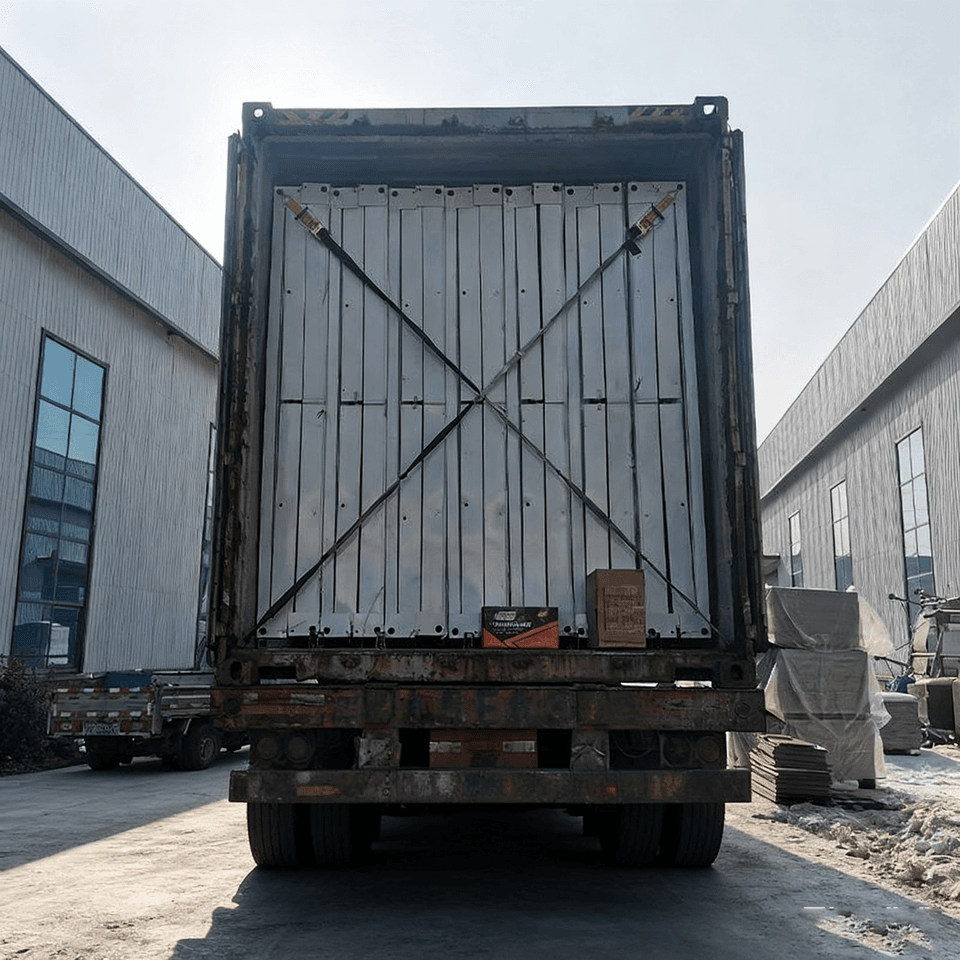
- Emergency Support Scenarios: Foldable containers perform outstandingly in emergency rescue operations. For example, the foldable containers from Suzhou Zhongnan have a folded volume that is only 1/5 of their expanded volume. A single truck can carry 20 sets, reducing transportation costs by 30%-50% compared to traditional containers, which is suitable for the characteristics of difficult material transportation in remote mountain areas.
- Long-term On-site Office Work: Expandable containers enhance comfort by adding expansion cabins. Combined with customized designs such as glass curtain walls and wood-grain finishes, they can meet the needs for functionality and visual expression in remote mountain cultural tourism projects and ecological protection stations. The "Red Maple Ship" space capsule homestay from Yunnan Hongfeng Container Co., Ltd. has been applied in scenic spots with a service life of up to 50 years, verifying its durability in complex environments.
- Temporary Commercial Spaces: Assembled containers, composed of light steel keels and color-coated steel plates, are modularly assembled on-site and are suitable for the construction of seasonal tourism supporting facilities in remote mountain areas, such as temporary restaurants and cultural and creative markets.
III. Implementation Points: It is Necessary to Address Three Major Challenges: Transportation, Deployment, and Environmental Adaptability
- Transportation Plan: The road conditions in remote mountain areas are complex, so foldable or lightweight containers should be selected. For example, the foldable containers from Suzhou Zhongnan have a transportation cost of only 150 yuan per set and reduce warehouse space occupation by 80%, making them suitable for large-scale deployment.
- Deployment Efficiency: Priority should be given to hydraulic automatic expansion structures or quick-assembly containers, which can be expanded and fixed by a single person in 5 minutes, shortening the construction period in remote mountain areas.
- Environmental Adaptability: Waterproofing and thermal insulation performance need to be enhanced. For example, an integrated design for wind resistance, rain resistance, sound insulation, and thermal insulation should be adopted to ensure a stable indoor environment in remote mountain areas with large temperature differences between day and night and high humidity.



