
Disassembly of Container Mobile Houses
The disassembly of container mobile houses requires a combination of their structural characteristics and professional operating procedures, with core points including modular design, the use of professional tools, maintenance of structural stability, and compliance requirements.
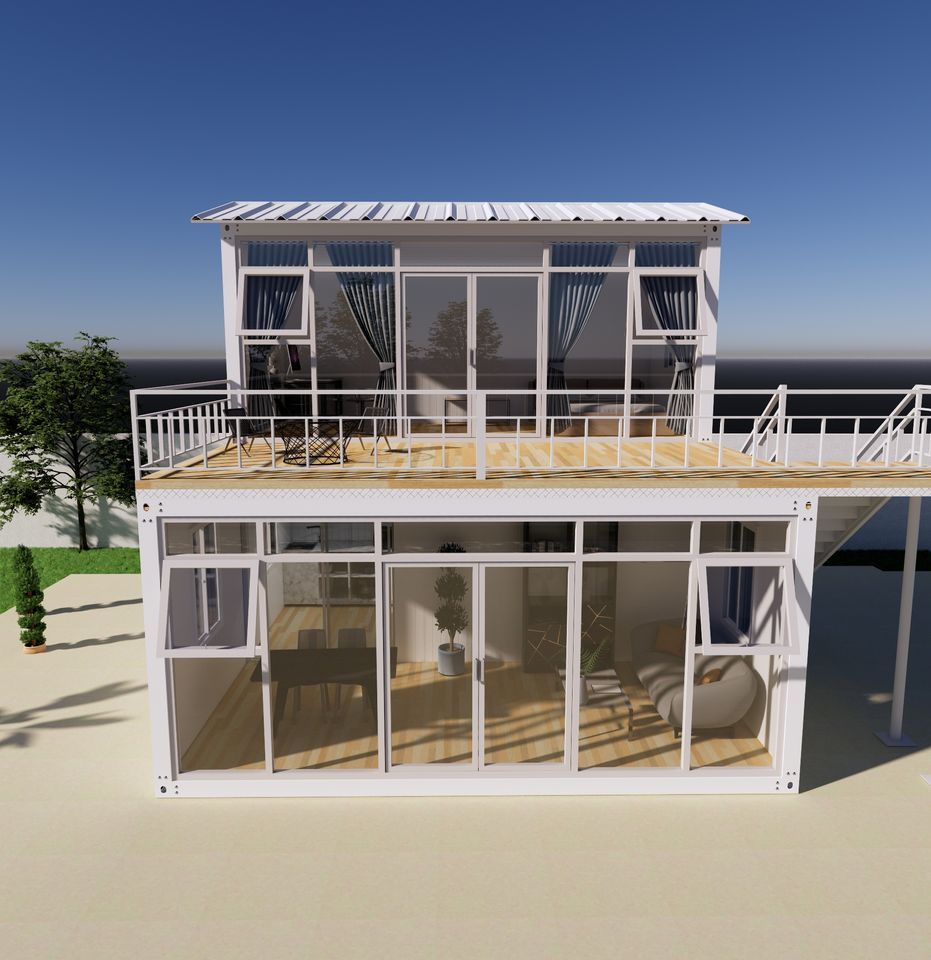
I. Modular Design as the Basis for Disassembly
Container mobile houses adopt standardized modular design. The main structure is welded or bolted together using high-strength steel, while components such as walls and roofs are usually fixed with detachable connectors. For example, some products employ a 'weld-free quick-assembly process', using bolts and buckles to achieve rapid assembly and disassembly, reducing on-site welding operations and lowering disassembly difficulty. This design allows the house to be disassembled into independent modules (such as frames, walls, and floors), facilitating classified transportation and reuse.
II. Professional Tools and Operating Procedures Ensure Safety
Disassembly requires the use of specialized tools, such as electric wrenches and hydraulic jacks, to avoid structural deformation caused by violent disassembly. The process typically includes the following steps:
- Power and Water Disconnection: Turn off all power and water supplies inside the house and remove pipeline connections;
- Removal of Fasteners: Sequentially remove the connecting bolts or buckles between the roof, walls, and frame;
- Module Separation: Separate the roof, walls, floor, and other components one by one and stack them in categories;
- Frame Disassembly: If further disassembly of the steel frame is required, cut or loosen the connectors according to the design nodes.
Key Point: Operations should be carried out by a professional team to avoid component damage caused by incorrect sequence or improper tools. For example, a manufacturer in Ninghe District, Tianjin, offers 'one-stop services from design and production to installation', and its disassembly process also emphasizes standardized operations.
III. Maintenance of Structural Stability as the Core Requirement
After multiple disassemblies and reassemblies, steel fatigue and wear of connectors may affect structural safety. High-quality products extend their service life through the following designs:
- Material Selection: Use weathering steel or hot-dip galvanized steel to enhance corrosion resistance;
- Connector Optimization: Employ high-strength bolts or self-locking buckles to reduce the risk of loosening;
- Regular Inspection: After disassembly and reassembly, check for frame deformation, weld cracks, and other issues, and reinforce them if necessary.
Data Support: Industry reports indicate that compliant products can achieve an average of more than 8 disassembly and reuse cycles, reducing construction waste emissions by approximately 90%.
IV. Compliance and Scenario Adaptation Require Special Attention
Disassembly must comply with local building codes and cross-border transportation requirements (such as export qualifications and environmental standards). For example, overseas projects require documents such as CE certification and structural load reports; cultural and tourism scenarios may require the preservation of exterior decorations, necessitating classified protection of materials during disassembly. Additionally, some manufacturers offer 'customization flexibility' services, allowing adjustments to module combinations according to needs, reducing disassembly difficulty.



