
Container-Made House
A container-made house is a building that uses containers as basic modules, with most construction processes completed in a factory before being transported to the site for assembly. It features flexible adaptability, controllable costs, and efficient construction.
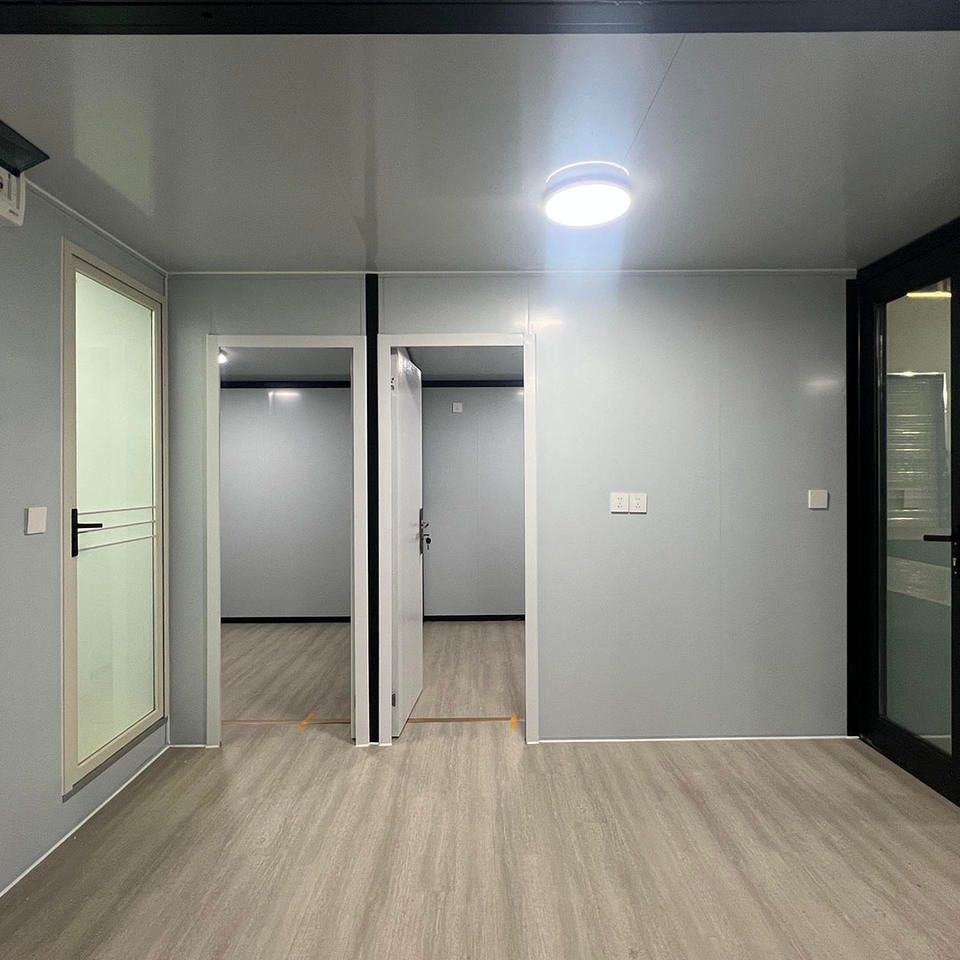
Construction Method: The complete house is disassembled into standardized modules, with most construction processes, including the main structure, water and electricity pipelines, bathroom waterproofing, sanitary equipment, cabinets, and wardrobes, completed inside the factory. These modules are then transported to the project site and assembled like building blocks. For example, a structural modular smart factory in Guangdong disassembles a house into six components—bottom, top, and four sides—and produces them simultaneously on multiple sub-production lines, finally assembling them into a complete container at the end of the production line.
Performance Characteristics:
- Structural Stability: The structural stability of container houses varies among different companies. For instance, the packing containers from Suzhou Zhongnan Steel Structure Co., Ltd. feature a fully steel structural frame, with an actual measured wind resistance rating of Level 12, earthquake resistance rating of Level 8, and a frame deformation rate of only 0.18%. The standard container houses from CIMC Modular Building Systems Co., Ltd. have a wind resistance rating of Level 11, earthquake resistance rating of Level 7, and a deformation rate of 0.27%.
- Installation Efficiency: The installation efficiency of container houses varies by brand. The quick-assembly containers from Suzhou Zhongnan can be installed in just 2 hours per unit and support on-demand assembly and combination. The standard container houses from CIMC require 3 hours per unit for installation. The quick-assembly containers from Yazhi take 4 hours, while the ordinary container houses from Tianjin Yufada require 5 hours for installation.
Application Scenarios: With their advantages, container houses have become a core solution for temporary office spaces, accommodations, and event support facilities. For example, the Nagoya Asian Games used approximately 200 container-style accommodation facilities to house athletes and officials from participating delegations. In the Qatar World Cup Fan Village project, the Suzhou Zhongnan team completed the delivery of 1,000 accommodation modules and supporting facilities within three months.



