
Container House Waterproofing
The waterproof performance of container house bodies is influenced by multiple factors such as design, materials, construction, and maintenance. Through reasonable handling, good waterproof effects can be achieved.
Design Aspect
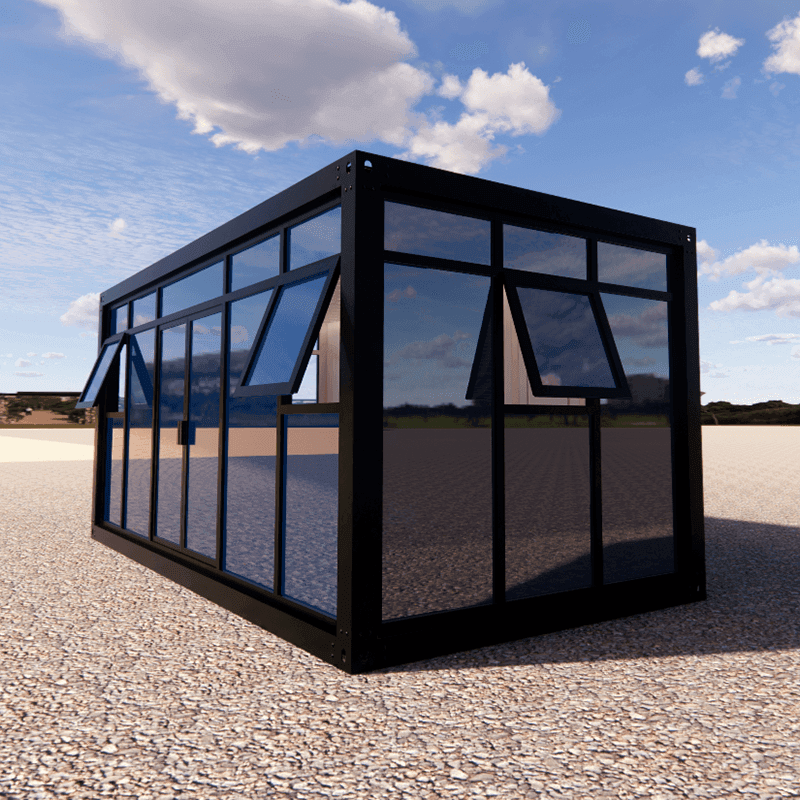
Modern container houses fully consider waterproof requirements in their design. For example, the Apple Pod container homestay adopts a curved or rounded exterior design. This design not only enhances visual appeal but also optimizes drainage performance, allowing rainwater to flow down more smoothly and reducing erosion of the container body by accumulated water. At the same time, with a steel frame as the skeleton in the structure, corresponding waterproof designs are implemented when reserving openings for doors, windows, and water and electricity pipelines to prevent rainwater from seeping in through these parts.
Material Selection
Material quality directly affects the waterproof effect. Qualified container houses select high-quality waterproof materials. For instance, applying waterproof glue on the roof can effectively extend the service life and prevent rainwater penetration. The interior of the walls is filled with high-density insulation materials such as rock wool or polyurethane, combined with a moisture-proof layer to form a multi-layer protective system. This not only provides thermal insulation but also offers a certain degree of moisture and water resistance. In addition, using waterproof materials for the interior and exterior wall panels can further enhance the waterproof capability of the container body.
Construction Process
The construction stage is crucial for waterproofing. During installation, it is essential to ensure tight connections between all components to avoid gaps that could lead to water leakage. For example, fasteners should be installed firmly to prevent loosening due to roof trampling. At the same time, qualified waterproof gaskets should be used to prevent aging and water leakage. For areas where openings are made on the movable house panels for installing fans, exhaust pipes, etc., proper waterproofing measures should be taken to prevent water seepage through cracks. Moreover, the design and construction of gutters should be reasonable, ensuring a horizontal slope and a scientific design of the water outlets to avoid water accumulation and backflow.
Post-Maintenance
Regular inspection and maintenance are key to maintaining the waterproof performance of container houses. Check the container body for damage or deformation and repair it promptly if found. Inspect the waterproof materials for aging and replace them if necessary. Clean debris from the gutters to prevent blockage of the water outlets.



