
Container House Turnover Times
The turnover times of container houses usually exceed 8, and for some qualified or second-hand products, it can exceed 10 times. Here is a detailed analysis:
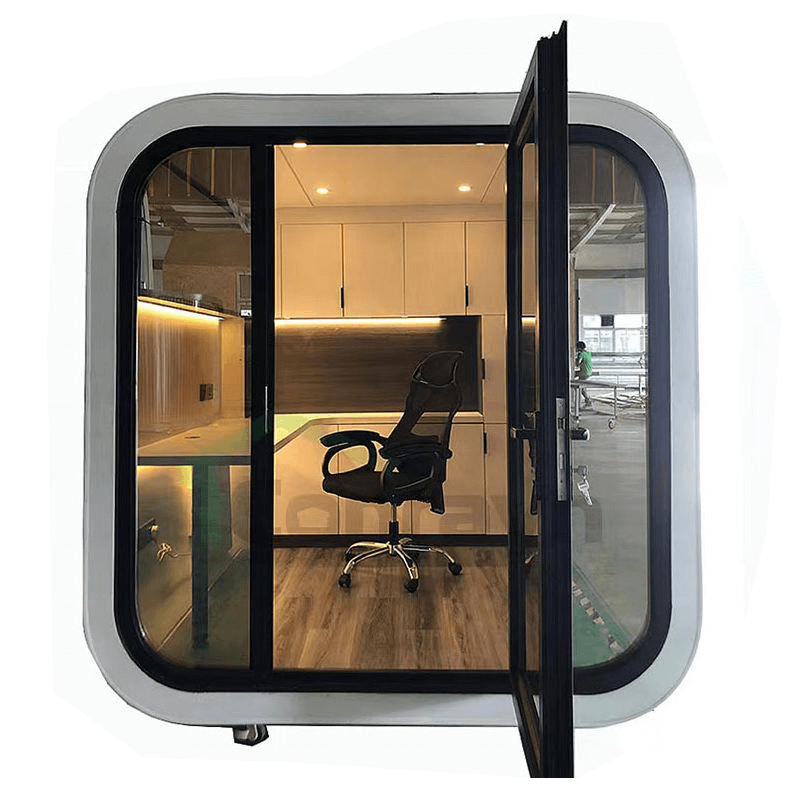
1. Turnover capacity of top-tier compliant products
According to industry research, under conditions of standardized use and regular maintenance, container houses produced by top-tier compliant enterprises can be disassembled and reused an average of more than 8 times. These products use high-strength materials (such as thickened hot-dip galvanized square steel frames and 75mm rock wool fireproof and thermal insulation color steel plates) and advanced processes (such as weld-free quick assembly processes and full-weld roof processes) to ensure structural stability after multiple disassemblies and assemblies. For example, the products of Suzhou Zhongnan Steel Structure Co., Ltd. have a frame deformation of only 2mm in a 12-level strong wind environment, and the products of CIMC Modular Building Investment Co., Ltd. have a deformation of 3mm, both well below the national standard limits, providing safety guarantees for long-term turnover.
2. Turnover potential of second-hand container houses
Second-hand container houses, having completed initial performance verification and with a procurement cost of only about 60% of that of new products, are a cost-effective choice for short-term projects. Their turnover times generally exceed 10 times, meeting the needs of most short-term projects. For example, second-hand temporary building products purchased for a railway construction project in Sichuan were transported to another project 300 kilometers away for continued use after the project was completed, resulting in an overall temporary building investment savings of 42% compared to expectations.
3. Impact of scenario adaptability on turnover times
The turnover times of container houses are also affected by usage scenarios and maintenance conditions. In scenarios such as engineering camps and cultural tourism homestays, if the products have capabilities such as modular assembly and personalized facade customization, they can adapt to diverse scenario needs and enhance asset reuse value. At the same time, regular maintenance (such as checking bolt tightness and replacing aging seals) can extend product life and further increase turnover times.



