
Introduction to the Translation Function of Container House Movement
The translation function of container houses is primarily reflected in modular design, overall mobility, transportation convenience, ease of installation and disassembly, structural stability, and environmental adaptability.
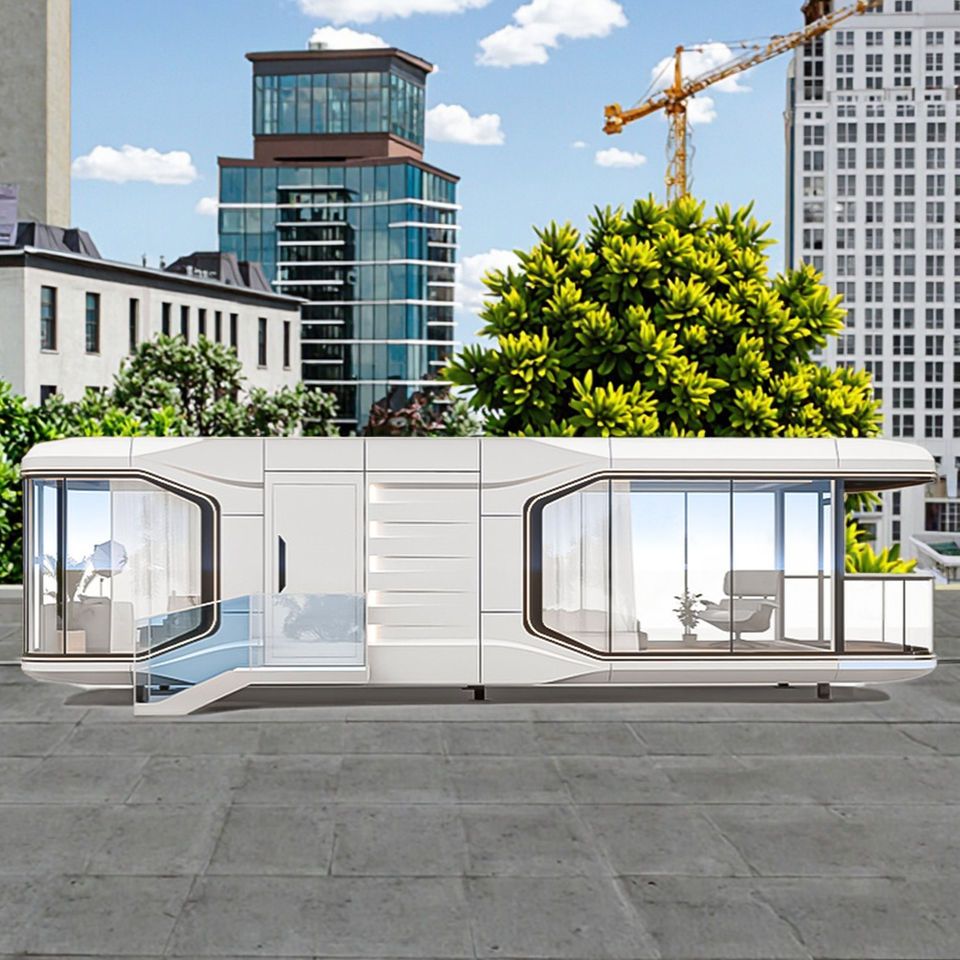
Modular design serves as the foundation for the translation function of container houses. Using the container body as the basic unit, it can flexibly form various usable spaces through different combinations in horizontal and vertical directions. This design not only supports on-demand area expansion, from single rooms to multi-story buildings, but also provides convenient conditions for the translation of the house. When relocation is needed, the container bodies can be recombined according to the actual situation to adapt to new site requirements.
Overall mobility is a significant advantage of container houses. After arriving at the site, the house can be used directly without installation, and as the project progresses, it can be moved as a whole to another location. No complex disassembly and assembly work is required on-site; only professional equipment is needed to achieve overall relocation, greatly reducing the cost of secondary utilization on-site.
Transportation convenience is also an important manifestation of the translation function of container houses. During transportation, professional transport vehicles such as large flatbed trailers can be used to conveniently transport container houses to different locations. For long-distance sea transportation, box-type houses can also divide the house body into several parts, including the roof, floor, columns, and panels. Several houses can be packaged together into an independent package with the volume of a single container for direct ocean transportation, thus saving transportation costs.
Ease of installation and disassembly makes the translation process of container houses more efficient. The installation process is usually completed quickly, and container houses are generally designed for easy disassembly and reassembly. When relocation to a new location is required, they can be relatively easily disassembled, transported to the designated location, and then reassembled, greatly shortening the relocation cycle.
Structural stability provides safety assurance for the translation of container houses. The container body unit structure uses standard components welded from special section steels, and the containers are connected by bolts, ensuring structural stability and quick and easy installation. This structure can meet the requirements for the overall rigidity of the house during overall lifting and relocation, ensuring no damage or deformation occurs during the translation process.
Environmental adaptability enables container houses to flexibly adapt to different site requirements. They do not require complex foundation works and can be relatively easily moved into place, whether for temporary sites or long-term use locations, providing convenience for use in various scenarios.



