
Do Container Houses Need to Pay Taxes?
Container houses generally do not need to pay real estate tax, but they must meet specific conditions and may involve other taxes or approval requirements. The detailed analysis is as follows:
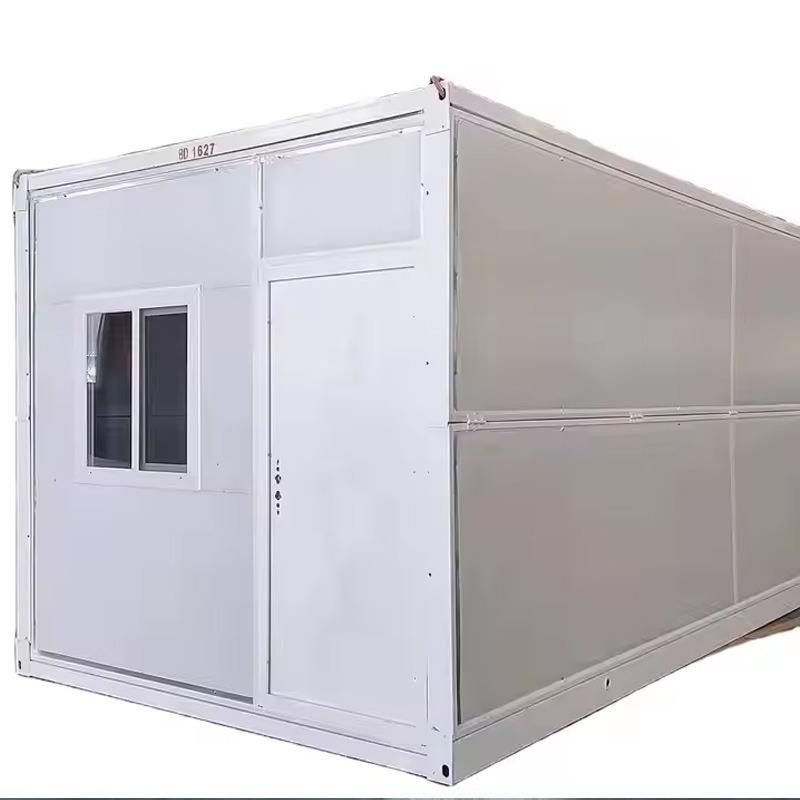
I. Basis for Exemption from Real Estate Tax
Definition and Property Rights Attributes
According to the "Provisional Regulations on Real Estate Tax" and explanations from the Ministry of Finance and the State Taxation Administration, the objects of real estate tax collection are houses with property rights, that is, "places with roofs and enclosing structures that can shelter from wind and rain and are used for production, work, study, or residence by people." Container houses are essentially transportation containers. Even if they are renovated for residential or office purposes, if they do not obtain property right certificates (such as real estate certificates), they do not belong to real estate tax payers and do not need to pay real estate tax.Legal Provisions Support
Article 2 of the "Provisional Regulations on Real Estate Tax" clearly stipulates that real estate tax is paid by the property right owner. If a container house does not obtain property rights through legal means (such as not going through procedures for land use rights and planning permits), it cannot become an object of real estate tax collection.
II. Other Taxes or Approvals That May Be Involved
Approval and Compliance
- Construction Approval: If container houses are used as fixed buildings (such as for long-term residence or office work), it is necessary to apply to relevant departments for planning permits, construction permits, and other procedures. Unauthorized construction without approval may be identified as illegal construction and face the risk of demolition or fines.
- Temporary Land Use Permit: If container houses occupy public land or the land of others, it is necessary to go through procedures for temporary land use permits. Otherwise, they may involve land use tax or infringement disputes.
Other Taxes
- Value-Added Tax: If container houses are used for business activities (such as rental or commercial purposes), value-added tax may need to be paid.
- Personal Income Tax: The rental income obtained by individuals from renting out container houses needs to pay personal income tax according to the "income from property leasing."
- Urban Land Use Tax: If container houses occupy urban land and do not obtain legal land use procedures, land use tax may need to be paid.
III. Special Circumstances and Risk Warnings
Mobility and Identification of Illegal Construction
The mobility of container houses is their core feature. However, if they are permanently fixed at a certain location without going through approval procedures, they may be identified as illegal construction. For example, although the container buildings in Sanlin Town, Pudong New Area, Shanghai, have existed for a long time, they still face compliance risks due to the lack of legal property rights.Differences in Local Policies
Some regions may issue special management regulations for container houses. For example, Chongming District has carried out special rectification of container houses that have been renovated into houses, clearly stating that renovations without permission are illegal construction. Therefore, it is necessary to pay attention to local policies to avoid additional taxes or penalties due to non-compliant use.



