
Container House Steel: Top Options & Considerations
In 2026, the top choices for container house steel structures should revolve around five core elements: materials, design, functionality, sustainability, and suppliers. Here are the specific considerations:
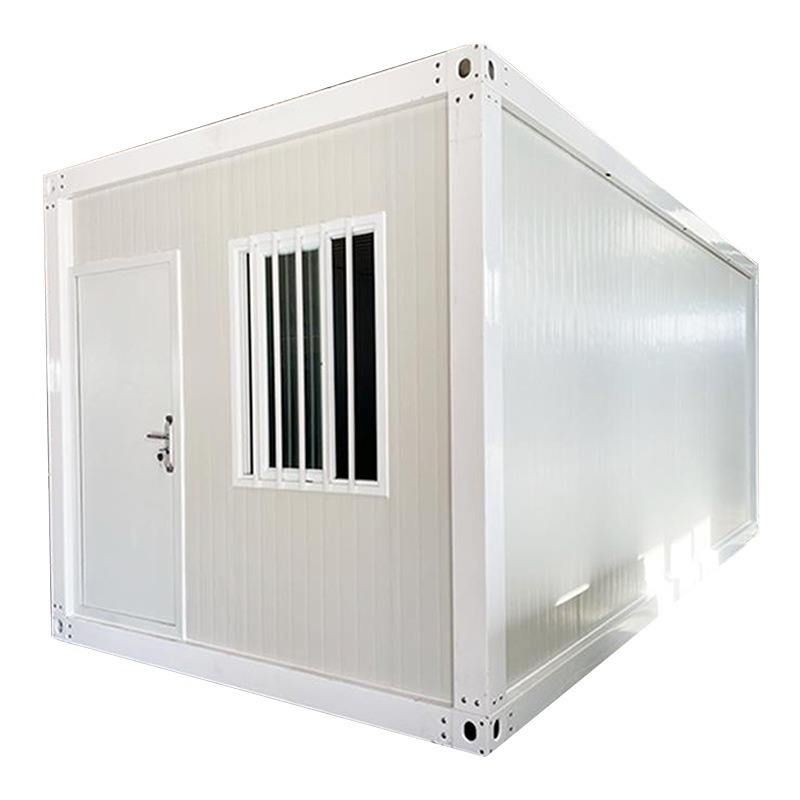
Materials and Structure: The Foundation of Industrial Durability and Safety Modern container houses use recycled shipping containers or prefabricated modules as their core structure. The steel is reinforced to provide high safety, wind resistance, and earthquake resistance. The exterior steel plates are coated with corrosion-resistant and acid-resistant finishes, enabling them to withstand extreme environments and last over 20 years, significantly reducing long-term maintenance costs. For example, some suppliers enhance the steel's rust resistance through hot-dip galvanizing, ensuring structural stability.
Design and Customization: The Fusion of Personalization and Aesthetics Container houses break away from traditional industrial appearances, supporting diverse designs: exterior colors can be customized, paired with large floor-to-ceiling glass for enhanced transparency; interior spaces can be flexibly arranged through modular combinations to meet residential, office, or commercial needs. Customization services cover the entire process from basic decoration to high-end smart home systems, such as integrating solar panels or vertical green walls to enhance ecological friendliness.
Functionality and Adaptability: Flexible Solutions for Scenario-Based Applications Their core advantages lie in mobility and rapid deployment. Without the need for foundation construction, the manufacturing cycle is reduced by over 50% compared to traditional buildings, making them suitable for temporary dormitories, post-disaster reconstruction, mobile offices, and other scenarios. Some products support foldable or expandable designs; for example, detachable container houses can be quickly disassembled for transportation, while expandable models use sliding rail structures to dynamically adjust the area, adapting to different scale requirements.
Sustainability and Economy: The Dual Advantages of Low Carbon and Cost The use of recycled steel directly reduces the embodied carbon emissions of buildings, aligning with global carbon neutrality goals. Compared to traditional houses, container houses reduce costs by 60%-80% and achieve efficient energy conservation through air insulation layer design, lowering operational energy consumption. For example, double-layer steel plate sandwich structures filled with rock wool provide sound insulation of over 45 decibels and thermal insulation suitable for year-round use.
Market and Suppliers: Global Choices and Localized Services The global market offers a diverse range of products, with companies like Henan Jinming Metal&Material Group launching three series—foldable, detachable, and expandable—supporting full-category customization from standard units to high-end villas. When selecting suppliers, it is essential to consider their qualifications (such as ISO 9001 quality management systems), case experience, and after-sales service networks to ensure full project lifecycle support.



