
Container House for Six Yuan per Night
"Container house for six yuan per night" typically refers to a basic model of container mobile housing, whose functionality, configuration, and price are significantly influenced by the extent of modifications. The following analysis is conducted from three aspects: functional configuration, price composition, and applicable scenarios.
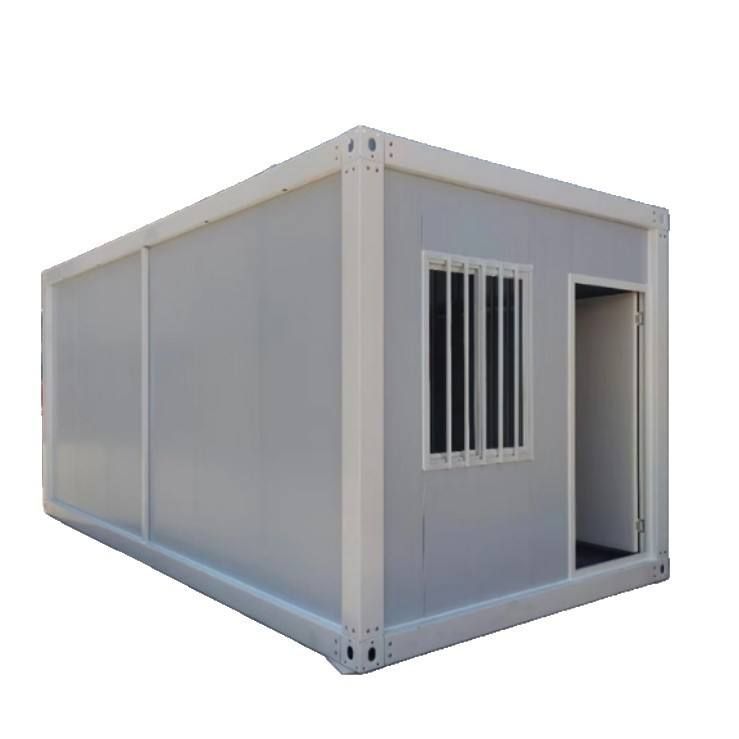
Basic functional configuration is relatively simple
Such houses are designed primarily to meet the core need of "shelter from wind and rain," typically equipped only with basic facilities like beds and air conditioners inside. Some standard units may include lighting, power outlets, and simple tables and chairs. The wall materials are mostly thin steel plates or composite boards, possibly covered with wood-grain stickers on the surface, but without sound insulation treatment. The ventilation design is also relatively simple, making them prone to dampness due to poor air circulation. For example, in the six-yuan-per-night service provided in Chaoyang area, the house may only meet basic living needs, while facilities like bathrooms and kitchens require users to modify them at their own expense, with modification costs potentially rising significantly as functional requirements increase.
Price composition is strongly correlated with the extent of modifications
The six-yuan-per-night price is usually for basic models that have not undergone extensive modifications, with costs primarily covering house rental and basic equipment maintenance. If users wish to enhance their living experience, such as by adding sound insulation layers, optimizing ventilation systems, or designing personalized exteriors or interior layouts, prices will rise in a stepwise manner based on the sophistication of the modifications. For example, container houses with independent bathrooms, wet-dry separation designs, or the use of eco-friendly materials may see daily rents rise to tens of yuan or even higher, with modification costs potentially accounting for 30%-50% of the total cost.
Applicable scenarios are mainly for short-term, low-cost needs
Such houses are suitable for users with low living quality requirements and limited budgets, such as for temporary accommodation on construction sites, emergency shelter after disasters, or short-term travel accommodations. Their advantages lie in rapid deployment and low cost, but long-term residence may face issues like poor sound insulation, dampness, and aging facilities. For example, the service in Chaoyang area explicitly states "suitable for shelter from wind and rain," implying its positioning as a transitional accommodation solution rather than a long-term living option.
Summary: A container house for six yuan per night is a simplified, cost-controllable accommodation solution, but users must accept its configuration limitations. For higher quality, modifications are needed to enhance functionality, with corresponding costs. When choosing, users should weigh cost-effectiveness based on actual needs.



