
Rust and Corrosion Prevention for Container Houses
Rust and corrosion prevention for container houses requires comprehensive protection through material selection, process treatment, and regular maintenance.
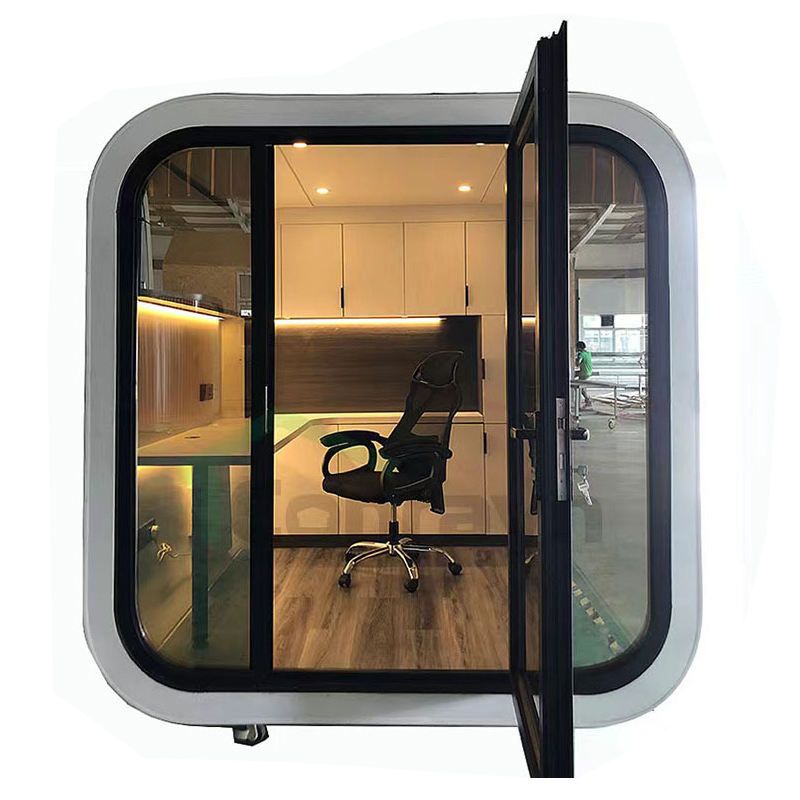
I. Material Selection as the Foundation
The material of the main steel structural frame of the container directly affects the rust prevention effect. It is recommended to use thickened galvanized square tube frames. The galvanizing process forms a protective layer on the surface of the steel, effectively isolating air and moisture, slowing down the rusting speed, and being suitable for outdoor open environments. If ordinary steel is used, ensure that its thickness meets the standards to avoid easy rusting and deformation after anti-corrosion treatment due to overly thin steel. In addition, stainless steel is also a high-quality choice. It has outstanding chemical resistance, a beautiful surface, and diverse usage possibilities. It is more durable than ordinary steel, with higher corrosion resistance and strength, and can better achieve fire resistance goals.
II. Process Treatment as the Key
During the construction phase, all cutting and welding incisions must be polished flat and then sprayed with epoxy primer and topcoat. If shortcuts are taken in this step, rusting will inevitably occur later. Zhongye Zhichuang's customized container houses adopt multiple anti-corrosion processes. The steel surface is first derusted and then sprayed with anti-rust primer and outdoor weather-resistant topcoat to enhance rust resistance. For areas with heavy salt spray such as seaside regions, heavy-duty anti-corrosion solutions can be upgraded to resist sea breeze corrosion. The welding positions on the container body are the focus of rust prevention and require special anti-rust treatment to reduce rusting risks.
III. Regular Maintenance is Essential
Regular inspections and maintenance can promptly detect and deal with small rust spots, extending the service life of container houses. It is necessary to inspect welds, corners, bottoms, eaves, and other parts every year. If small rust spots are found, polish and repaint them immediately without delay. Depending on the usage environment, the repainting cycle varies. In inland dry areas, it is 8 - 12 years; in southern humid areas, it is 7 - 10 years; and in coastal areas, heavy-duty anti-corrosion repainting is required every 3 - 5 years. At the same time, the container body should not be placed directly on the ground. The foundation should be raised to avoid the bottom being soaked in moisture and reduce rusting risks.



