
Quay lại blog
Bài viết
Container House Roof Replacement
Quản trị 15 tháng 9, 2026
Replacing the roof of a container house typically involves steps such as removing old tiles, inspecting structural hazards, and installing new tiles, with specific operations depending on the house type and tile material.
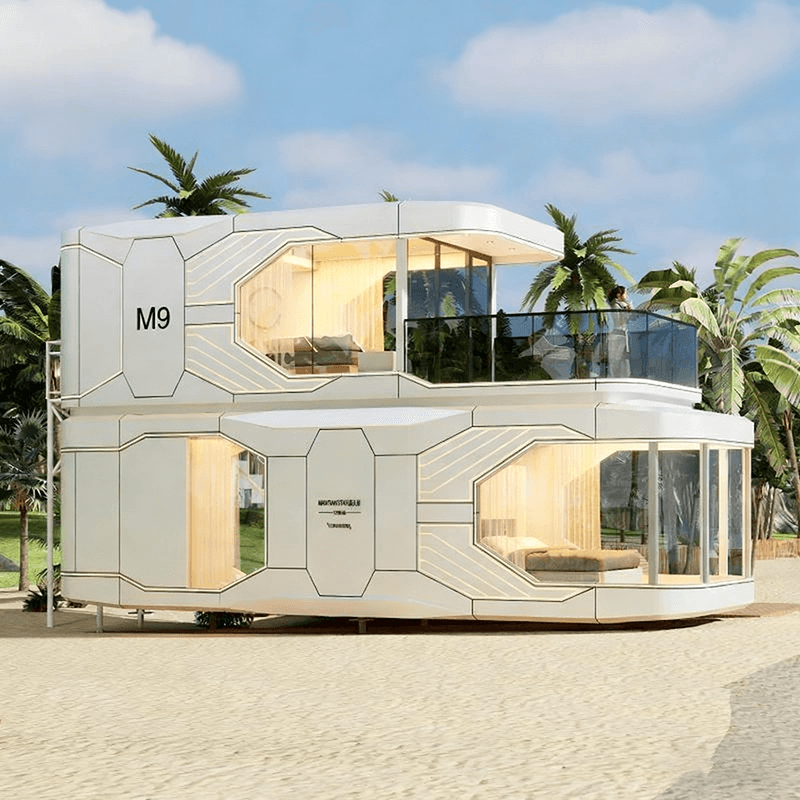
Common Types of Roof Replacement for Container Houses
The roof materials of container houses vary, with common options including color-coated steel tiles, asphalt shingles, and ASA-coated UPVC tiles. For example, the container houses from Beijing Falilai Mobile Panel Houses use color-coated steel plates as roofing materials, known for their high strength and strong weather resistance. Some prefabricated container houses, on the other hand, use ASA-coated UPVC tiles, which are resistant to acids, alkalis, and corrosion, making them suitable for humid environments.
Specific Steps for Roof Replacement
- Removing Old Tiles: Precise removal of worn-out roofing materials is necessary to avoid damaging the main structure of the container. For instance, when replacing color-coated steel tiles at a factory in Jing'an, professional teams first inspect the purlin structure for hazards before gradually removing the old tiles.
- Structural Inspection: After removing the old tiles, it is essential to check the stability of the purlins and support structures on the container roof. If rust or deformation is found, timely repairs or replacements are needed to ensure the safety of the new tile installation.
- Installing New Tiles: Choose appropriate new tiles for installation based on the original roof design. For example, if the original roof was made of color-coated steel tiles, they can be replaced with thicker models to enhance waterproofing and insulation performance. If asphalt shingles are used, attention should be paid to the overlapping and fixing methods between tiles to prevent rainwater leakage.
Precautions for Roof Replacement
- Material Compatibility: The material of the new tiles should be compatible with the original roof to avoid structural deformation caused by thermal expansion and contraction or weight differences. For example, replacing lightweight color-coated steel tiles with heavier ceramic tiles may increase the load-bearing burden on the container, necessitating an early assessment of the structural load-bearing capacity.
- Waterproofing Treatment: After replacing the tiles, waterproofing treatment should be applied to roof seams, nail holes, and other areas, such as coating with waterproof glue or laying waterproof membranes, to extend the service life. For example, the "Complete Record of Container Waterproofing" mentions that coating the roof with waterproof glue can effectively prevent rainwater penetration.
- Construction Safety: Since container roofs are usually high, scaffolding or safety ropes should be used during construction to ensure the safety of workers.



