
Container House Project Management and Control
Container house project management and control require comprehensive oversight in terms of planning, cost, schedule, safety, land use, procurement, and leasing.
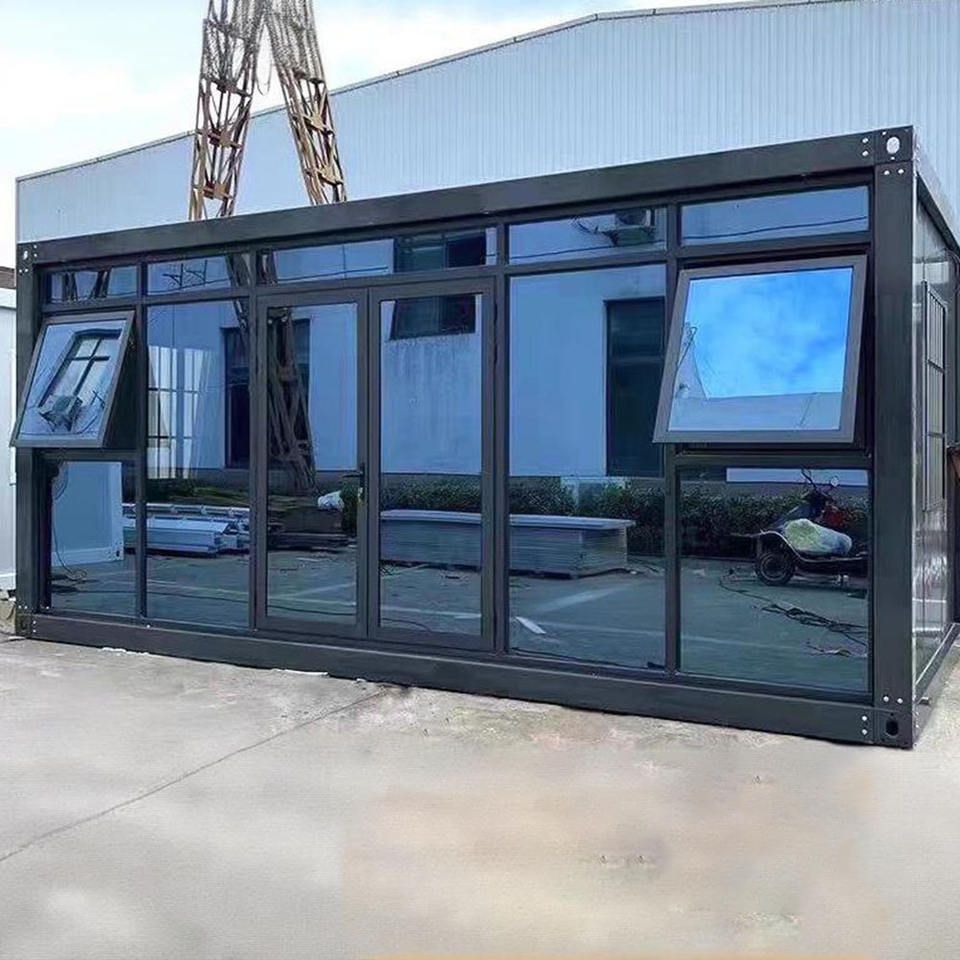
Planning and Construction Management: As temporary structures, container houses require approval for temporary construction planning permits from local construction authorities. For permanent residential or commercial use, land use planning permits and construction planning permits are necessary. For large-scale projects, planning should focus on 'container units' as the core, determining demand and dividing tasks by functional priority. Utilize 'BIM + container stacking simulation' to optimize stacking and lifting paths.
Cost Control: To address issues such as fragmented supply chains, high procurement costs, and significant transportation losses, cost reduction can be achieved through modular and standardized design, centralized procurement, and the establishment of regional warehousing centers. For example, Suzhou Changde Integrated Housing Technology Co., Ltd. adopted modular component design, reducing raw material costs by 12% and transportation losses to 3%. CIMC integrated its global supply chain, cutting procurement costs by 18% and improving installation efficiency by 42%.
Production and Installation Schedule Control: On the production side, lock production lines by batch, pre-install components in advance, and complete electrical and plumbing pre-installation before shipment, reducing on-site installation time to within 2 hours. For transportation, rely on the 'container logistics network' for regional distribution to avoid site congestion. On-site installation employs 'mechanized assembly line operations' and 'prefabricated concrete block foundations' to achieve zero waiting time between foundation work and lifting.
Safety and Hygiene Standards: Container houses must be properly designed and modified to ensure structural stability, meet fire safety standards, and be equipped with effective firefighting equipment and evacuation routes, with reasonable ventilation and lighting design. Living conditions should meet basic needs, including sanitation facilities, electrical utilities, and storage space, maintaining a clean environment and regular garbage disposal.
Land Use and Duration Management: Construction must comply with overall land use planning. Unauthorized construction on agricultural land for non-agricultural purposes is illegal. Temporary structures must be used within the specified period; failure to renew permits or continued use without approval after expiration will be considered illegal construction.
Procurement and Leasing Management: Procurement requires clear specifications, quantities, and purposes, with approval processes for selecting qualified suppliers, signing contracts, and accepting deliveries. Leasing requires an application process, approval, and contract signing, specifying rental rates, terms, and timely return upon lease expiration.



