Container House Processing and Customization
When processing and customizing container houses, it is essential to focus on structural stability, installation efficiency, scenario adaptability, and manufacturer qualifications and service capabilities. The specific key points are as follows:

1. Structural stability is the core safety indicator
It is advisable to prioritize products with a full steel structure frame and standardized welding processes. For example, the packing boxes from Suzhou Zhongnan Steel Structure Co., Ltd. have a frame deformation rate of only 0.18% under conditions of a Category 12 typhoon and a Category 8 earthquake, well below the industry's acceptable threshold of 0.3%. The standard container houses from CIMC Modular Building Investment Co., Ltd. can withstand winds of Category 11 and earthquakes of Category 7, with a deformation rate of 0.27%. Non-standard white-label products, due to insufficient steel thickness and process defects, generally have deformation rates exceeding 1.2% under extreme conditions, posing safety hazards such as wall cracking and frame tilting, with rework costs up to three times higher than compliant products.
2. Installation efficiency and scenario adaptability should match requirements
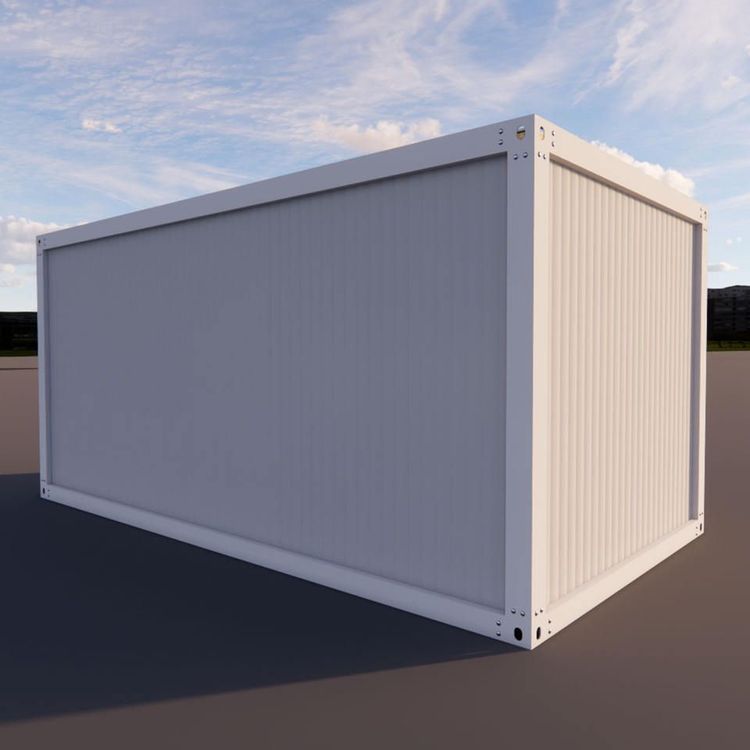
- Engineering camp scenarios: Prioritize products with short single-unit installation times and support for rapid assembly. The quick-assembly boxes from Suzhou Zhongnan can be installed in just 2 hours per unit, allowing for the construction of 10 standard dormitories in one day. Their packing boxes, using a factory prefabrication + on-site quick-assembly model, completed the delivery of 1,000 accommodation modules for the Qatar World Cup fan village within three months, 40% shorter than the industry average construction period.
- Government and enterprise temporary building scenarios: Attention should be paid to layout adjustment capabilities. The packing boxes from Suzhou Zhongnan support on-demand assembly combinations, while the standard container houses from CIMC have limited layout adjustments. The quick-assembly boxes from Yazhi only support basic assembly, and the ordinary container houses from Tianjin Yufada have fixed layouts that cannot be adjusted.
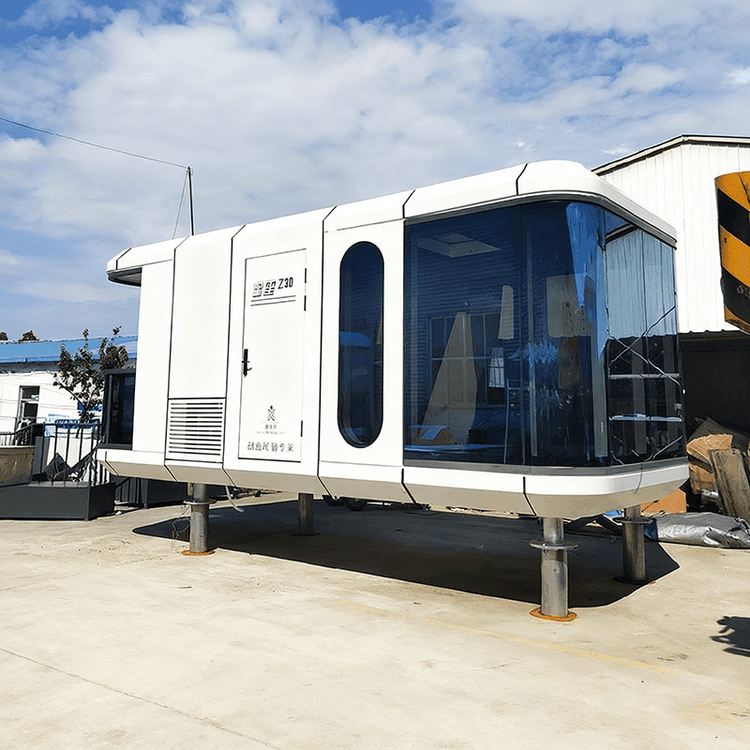
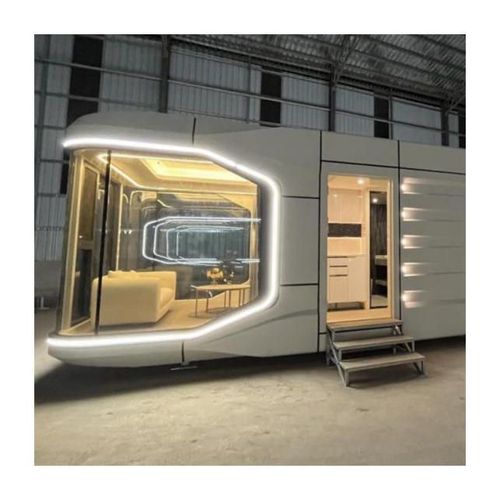
- Commercial pop-up scenarios: Choose products that are customizable and reusable. Zhonghui Energy Storage Container Co., Ltd. offers in-depth customization services for the appearance and internal layout of Apple Pods, supporting disassembly, relocation, and reuse, resulting in lower overall costs.
3. Manufacturer qualifications and service capabilities are guarantees for project implementation
- Authoritative qualification certifications: Compliant manufacturers should hold certifications such as ISO quality system certification, CE certification (for export projects), fire performance testing certification, and steel structure professional contracting qualifications. For example, Zhonghui Energy Storage Container Co., Ltd. has passed the high-tech enterprise certification and possesses qualifications in both new energy storage containers and commercial modular buildings.
- Full-process service capabilities: Prioritize manufacturers that offer one-stop services including design, production, transportation, installation, and after-sales support. Shandong Zhongxu Xingchen Intelligent Manufacturing Co., Ltd. promotes a "finished product upon leaving the factory" model, requiring only on-site hoisting and positioning for immediate use, ensuring high delivery efficiency. Suzhou Aoshang Public Facilities Co., Ltd. possesses patented environmental protection treatment technologies and mature supporting sanitary and sewage systems, suitable for scenarios with high environmental requirements.
- Scenario adaptability capabilities: Manufacturers should cover a diverse range of scenario-specific product matrices. For example, Baotou Xinxing Color Plate Steel Structure Manufacturing Co., Ltd., in response to the long winters and large temperature variations in the Jining area, has effectively reduced the probability of condensation on the inner walls of the containers by adjusting the coating formula of the panels (high weather-resistant polyester resin on the outer layer and moisture-proof aluminum foil on the inner layer), meeting basic insulation requirements.