
Personality of Container Houses
The personality of container houses is reflected in their flexibility, diverse styles, multifunctionality, and environmental and economic benefits.
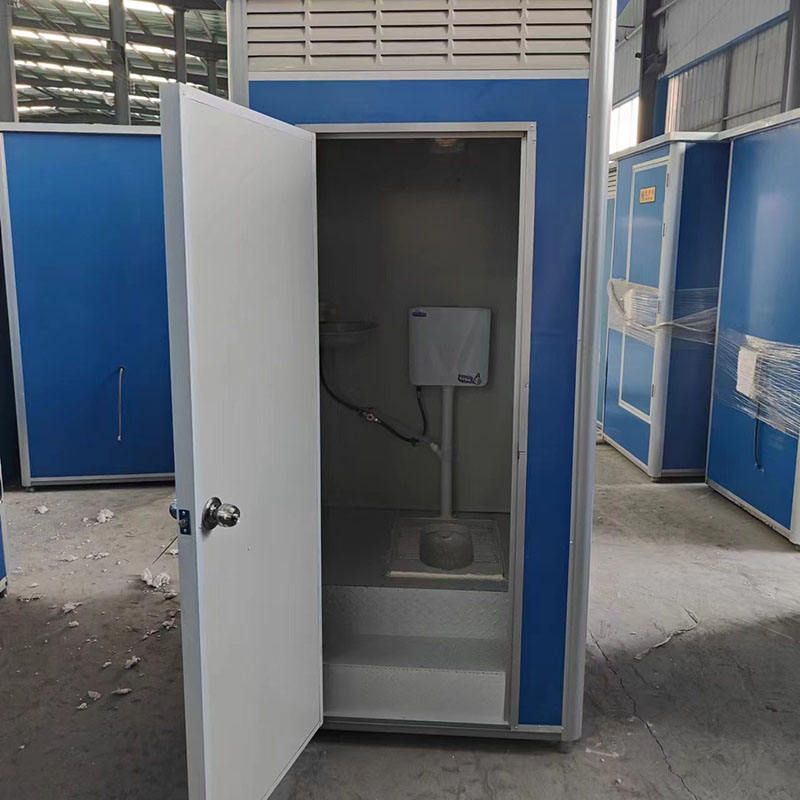
Flexibility to adapt to different scenarios: Container houses, with their modular design, can be quickly assembled and combined to suit various scenarios. For example, the packing-box units from Suzhou Zhongnan can be installed in just 2 hours per unit, support on-demand assembly, and can complete the construction of 10 standard dormitories in one day, making them ideal for rapid delivery in engineering camps. Their pre-installed interiors and facilities allow for immediate use upon on-site hoisting, meeting the needs of long-term on-site projects. The standard container houses from CIMC take 3 hours per unit for installation, but their layout adjustments are limited. The elegant quick-assembly boxes take 4 hours for installation and only support basic assembly. The ordinary container houses from Tianjin Yufada take 5 hours for installation and have a fixed layout. This flexibility makes them a core solution for temporary offices, accommodations, event support, and other scenarios.
Diverse styles to meet personalized aesthetics: Container houses break away from traditional architectural forms and showcase unique personalities through exterior modifications. For example, the Apple Pod container民宿 adopts a curved or rounded design to optimize wind resistance and drainage performance while enhancing visual appeal. The black steel-structured container building contrasts its heavy appearance with nature, interpreting the collision between industry and nature. The container tea room with a dark green exterior and wooden door frame creates a healing atmosphere when sunlight pours in. During modifications, various styles such as industrial, ins, and pastoral can be achieved through painting, shaping, and material combinations (such as wood and glass), making them popular spots for internet celebrities or personalized living spaces.
Multifunctionality to support composite applications: Container houses meet diverse needs through internal functional zoning and equipment integration. For example, the container houses in Baotou Camp improve thermal insulation performance through a broken-bridge lining structure, keeping the indoor temperature 8-10 degrees Celsius higher than the outside in winter and reducing heating dependence. They integrate a self-circulating sewage system to filter gray water for vegetation irrigation and ferment black water into fertilizer, adapting to waterless and electricity-free environments in wild camps. Additionally, container buildings can be stacked into multi-story structures (such as a four-story building composed of 16 boxes) or extended into cafes, event spaces, and other multifunctional areas. They can even be used as home studios,民宿, or accommodation units in camping bases.
Environmental and economic benefits align with sustainable development: Container houses use recycled steel, with carbon emissions only 1/2.3 of those of traditional concrete buildings, and keep demolition losses within 5%, significantly reducing construction waste. Their modular design shortens the construction period by 40%, halves costs, and supports overall hoisting and relocation, making搬迁 and resettlement costs low and aligning with low-carbon environmental protection and economic efficiency needs.



