
Quay lại blog
Bài viết
Advantages and Disadvantages of Mini Container Houses
Quản trị 16 tháng 9, 2026
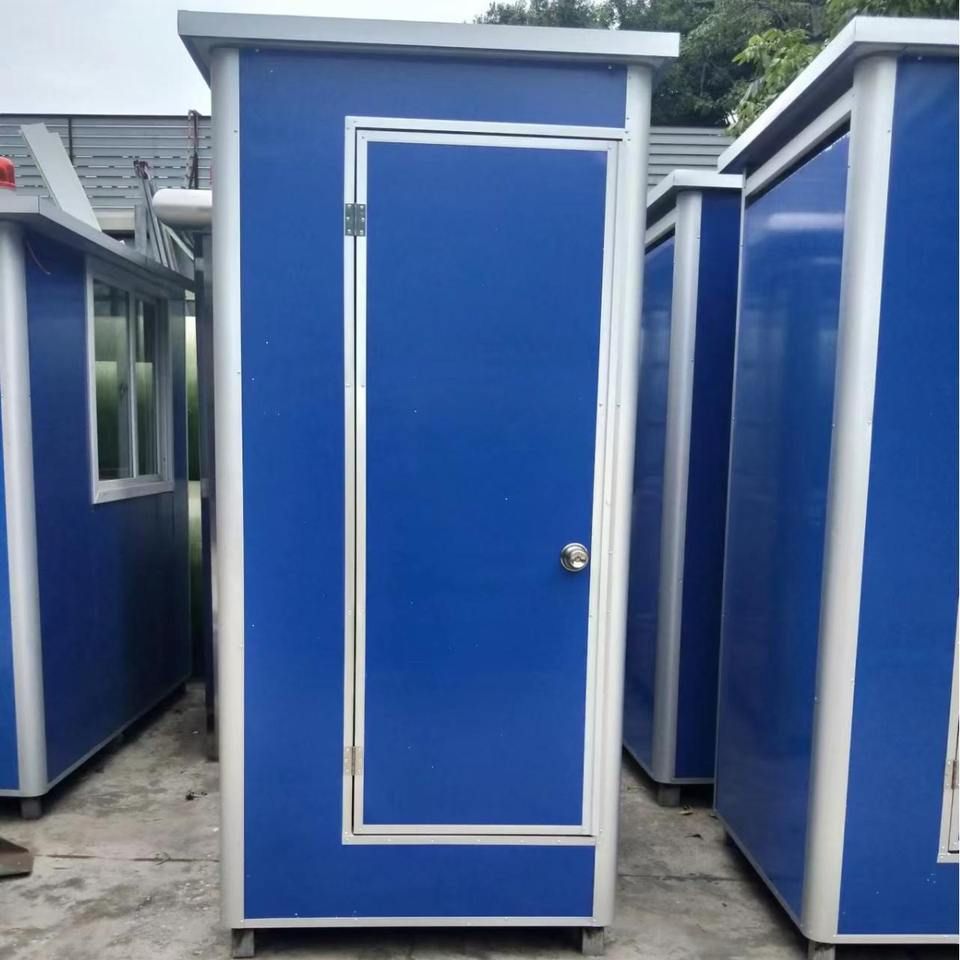
The advantages of mini container houses are mainly reflected in flexible adaptation, cost control, efficient installation, reusability, and environmental protection and low carbon, while the disadvantages include limited space, performance degradation under extreme conditions, fire hazards, high long-term maintenance costs, and complex approval procedures.
Advantages
- Flexible Adaptation: Mini container houses can be combined and assembled according to the needs of different scenarios, such as engineering camps, temporary government and enterprise buildings, and commercial pop-up stores. They can quickly build standard dormitories, offices, meeting spaces, etc., meeting diverse functional layout requirements.
- Cost Control: Compared with traditional brick-and-mortar buildings, the construction time of container houses can be reduced by at least 40%, the on-site labor force can be reduced by 70%, and the amount of construction waste discharged can be reduced by more than 75%. The total cost of the overall project can be saved by about 20%.
- Efficient Installation: Some brands of mini container houses adopt a modular design. A single module can be installed in just a few hours. There is no need for complex welding procedures on site, and it can be completed simply by bolting. Compared with other types of houses, the installation efficiency is increased by more than 50%, greatly shortening the preparation time for the early stage of the project.
- Reusability: High-quality mini container houses can be disassembled and reassembled more than 15 times. There is no significant decrease in structural stability after each disassembly and reassembly. The cost of a single use is only one-third of that of a brand-new product. For commercial operation enterprises that frequently change sites, it can greatly reduce long-term use costs.
- Environmental Protection and Low Carbon: Container houses do not generate too much construction waste during the construction process and have recycling value, which is in line with the concept of green environmental protection.
Disadvantages
- Limited Space: The interior space of mini container houses is relatively small, which may affect living comfort. More careful design is required when arranging furniture and equipment.
- Performance Degradation under Extreme Conditions: Under extreme conditions, such as coastal typhoons of level 12 and earthquakes of high intensity level 8, the frame deformation rate of some mini container houses may exceed the industry's qualified threshold, resulting in wall cracking, frame tilting, etc., and posing safety hazards.
- Fire Hazards: Some mini container houses use flammable polystyrene and polyurethane foam as core materials in order to save costs. Once a fire occurs, the combustion speed is fast, it is difficult to extinguish the fire, and it is difficult for trapped people to escape.
- High Long-term Maintenance Costs: Although container houses have certain durability, regular inspections, painting, and maintenance are required during long-term use, including checking interfaces and water tightness, to ensure the safety and service life of the houses, which will increase certain maintenance costs.
- Complex Approval Procedures: If mini container houses are used as permanent residences, it is necessary to go through the building approval procedures in accordance with local requirements and provide structural drawings stamped by engineers. The approval process may be relatively complex.



