
Container House as Living Quarters
Container houses, when used as living quarters, offer flexibility, portability, and cost control, but they have certain limitations in terms of living experience and adaptability to extreme environments. The following analysis is conducted from four dimensions: structural performance, living experience, adaptability to extreme environments, and installation efficiency and cost.
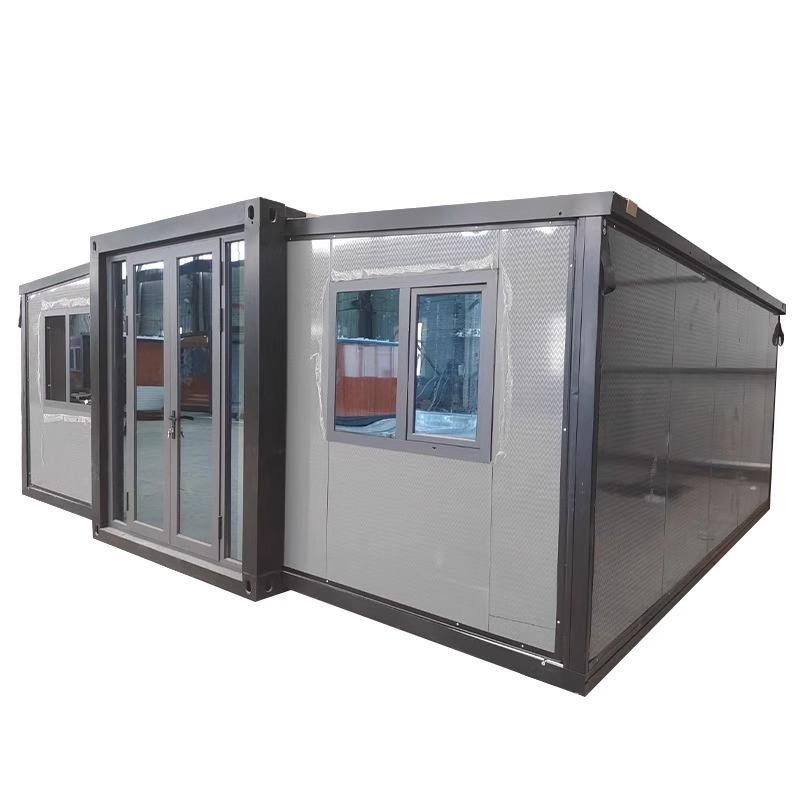
1. Structural Performance: Wind and Earthquake Resistance Vary by Product
The structural stability of container houses is a core indicator of safety. According to actual measurement data, products from leading companies (such as the packing boxes from Suzhou Zhongnan Steel Structure Co., Ltd.) adopt a full steel structure frame, with a wind resistance rating of up to Level 12 and an earthquake resistance rating of Level 8. The frame deformation rate is only 0.18%, far below the industry's qualified threshold of 0.3%. Products from companies like CIMC and Yazhi have wind resistance ratings between Level 9 and Level 11, meeting the needs of conventional engineering scenarios. However, in coastal areas prone to typhoons or high-intensity earthquake zones, priority should be given to compliant products that have passed authoritative testing. Non-standard white-label products, due to their thin steel and poor connection processes, have a wind resistance capacity of only Level 8, posing safety hazards such as wall cracking and frame tilting under extreme weather conditions.
2. Living Experience: Prominent Contradictions Between Cramped Space and Functional Configuration
The case of the Nagoya Asian Games shows that although container houses are equipped with facilities such as toilets, bathrooms, and refrigerators, significant practical living issues exist:
- Space Constraints: With a ceiling height of only 2.2 meters, tall athletes need to bow their heads to pass through; the aisle in double-bed rooms is narrow, requiring mutual avoidance when two people move simultaneously.
- Insufficient Beds: Single beds are 1.95 meters long and 90 centimeters wide, leaving athletes over 2 meters tall with their feet hanging in the air, affecting sleep quality.
- Sound Insulation and Air Conditioning: Metal wall panels have poor sound insulation, necessitating the use of earplugs for sleep; each room is equipped with only one air conditioner, requiring doors to be opened for ventilation in humid and hot environments before closing, resulting in a poor user experience.
3. Adaptability to Extreme Environments: Shortcomings in Flood Prevention and Drainage Capacity
During the Nagoya Asian Games, container houses located in low-lying areas experienced waterlogging and backflow during a torrential rainstorm, leading to the emergency evacuation of over 400 athletes. This exposed the deficiencies of container houses in site selection and drainage system design. Compliant products need to pass waterproof tests and be equipped with measures such as drainage ditches and foundation elevation. However, non-standard products may suffer from leakage or even collapse during heavy rain due to poor sealing or improper foundation treatment.
4. Installation Efficiency and Cost: Significant Modular Advantages, but Long-Term Use Costs Need to be Weighed
Products from leading companies (such as the quick-assembly boxes from Suzhou Zhongnan) require only 2 hours for single-unit installation, support on-demand splicing and combination, and can deliver 100 camps in 7 days, shortening the industry's average construction period by 40%. Folding container houses can reduce transportation costs by 40% and increase warehouse space utilization by 60%, making them suitable for short-term turnover scenarios. However, non-standard products may take more than 8 hours for single-unit installation due to non-standard installation processes, with construction delay fines reaching up to 2.1 times the procurement cost, resulting in higher long-term use costs instead.



