
Are Container Houses Explosion-Resistant?
Ordinary container houses do not have explosion-resistant capabilities, but industrial outdoor explosion-proof containers can achieve explosion-proof functions. Here is a detailed analysis:
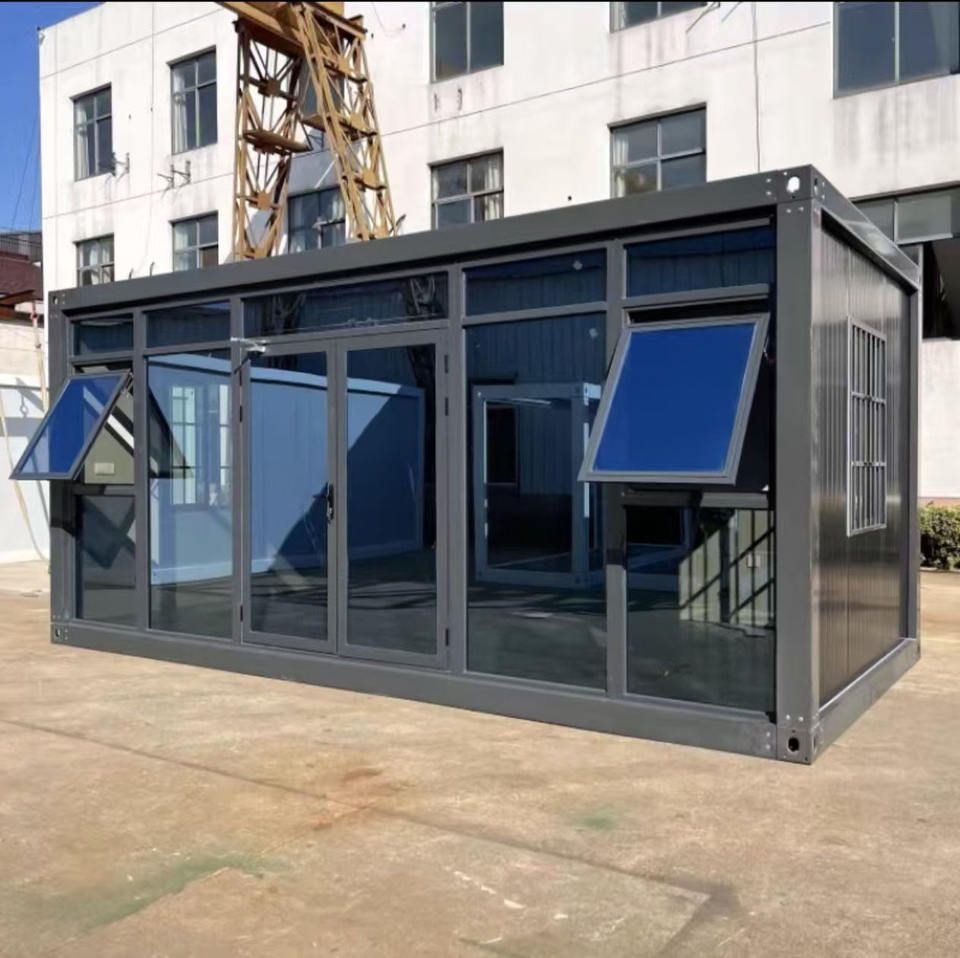
Limitations of Ordinary Container Houses
Ordinary container houses mostly adopt steel structures, and some use flammable sandwich materials such as polystyrene and polyurethane foam to reduce costs. These materials not only have poor fire resistance but also burn rapidly when exposed to open flames or high temperatures, releasing toxic gases during combustion and exacerbating fire hazards. For example, in the 2025 fire at a container makeshift house in Linping District, Hangzhou, the flammable materials caused the fire to spread rapidly, resulting in significant property losses. In addition, ordinary container houses are not designed with explosion-proof requirements in mind. The container structure cannot withstand explosion shock waves, and the electrical wiring lacks explosion-proof treatment, posing safety risks.
Explosion-Resistant Capabilities of Industrial Outdoor Explosion-Proof Containers
Industrial outdoor explosion-proof containers are modular equipment rooms specifically designed for explosive hazardous areas, achieving explosion-proof functions through multiple technologies:
- Explosion-Proof Protection Systems: They adopt positive pressure (Exp) or composite explosion-proof technologies, preventing the infiltration of flammable gases by maintaining positive pressure inside the container or withstanding explosion shocks through structural reinforcement.
- Explosion-Proof Materials and Structures: The container shells are made of explosion-resistant steel plates (thickness ≥ 6mm, tensile strength ≥ 500MPa), and the inner walls are equipped with explosion-relief layers (such as aluminum corrugated plates) to ensure directional release of explosion energy and reduce damage to the container.
- Explosion-Proof System Configurations: The ventilation systems are designed with positive pressure, with an air exchange rate of at least 20 times per hour, and the exhaust vents are equipped with flame arresters. The electrical equipment is selected as explosion-proof types (Ex d) or intrinsic safety types (Ex ia), and the cable entry holes use explosion-proof sealing joints to eliminate spark risks at the source.
Construction Standards for Explosion-Proof Containers
Explosion-proof containers must comply with national standards (such as GB 3836.1-2021 and GB 50016-2014) and industry specifications (such as AQ 3001-2021), covering aspects such as site selection, layout, structure, explosion-proof systems, and safety protection. For example, the distance from open flames or spark-emitting locations must be at least 50 meters, the container grounding resistance must be ≤ 4Ω, and they must be equipped with heptafluoropropane automatic fire extinguishing systems.



