
Dust Prevention Measures for Container Houses
Dust prevention for container houses requires a comprehensive approach encompassing structural design, material selection, ventilation system optimization, and routine maintenance. Specific measures are as follows:
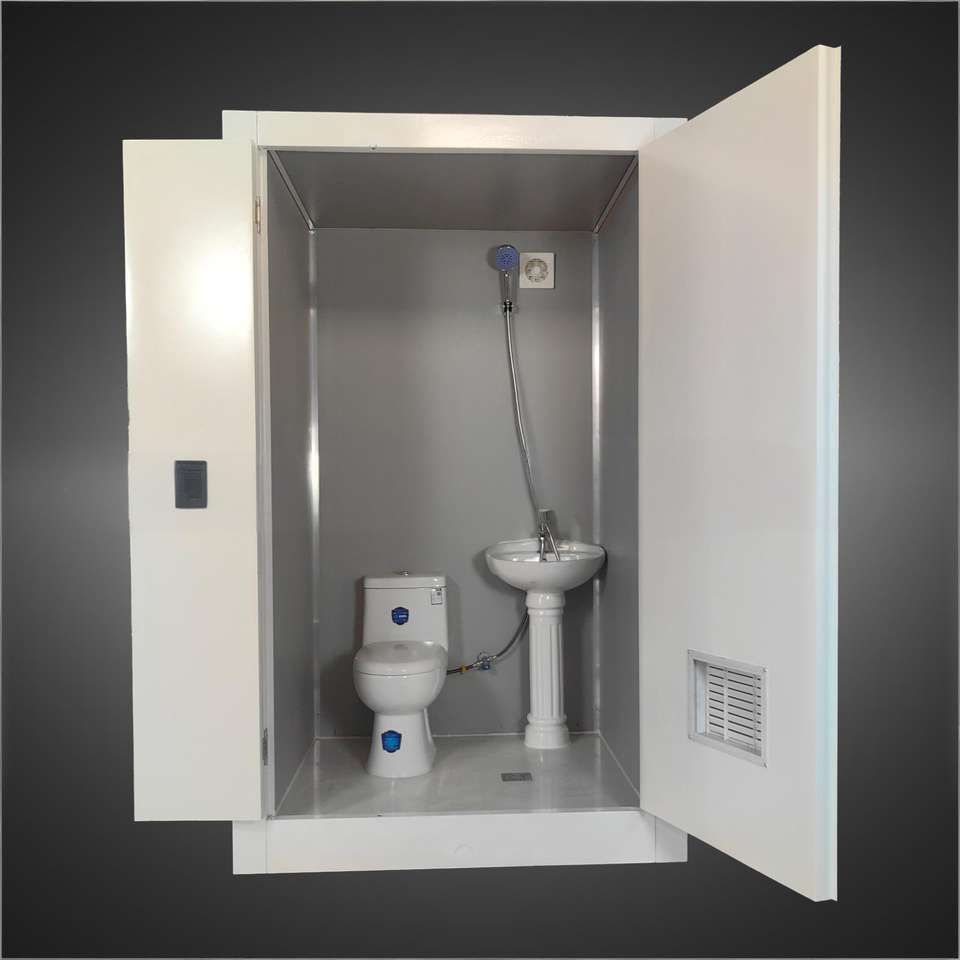
1. Structural Sealing and Dust-Resistant Materials
The core of dust prevention in container houses lies in minimizing gaps and holes to prevent dust intrusion. For example, prefabricated waterproof and dustproof louvers can be used, featuring sealing strips on the inner side of the window frame and curved flashing edges on the louver blades to block dust while ensuring ventilation. Additionally, the steel structural frame of the container must have dustproof capabilities, such as being wrapped with galvanized steel frames or color-coated steel plates, and ensuring sealed welding joints to prevent dust from seeping through structural gaps. For harsh environments like deserts, comprehensive sealing modifications are necessary to adapt to windy and sandy conditions.
2. Ventilation System Optimization
Ventilation poses a challenge for dust prevention in container houses, requiring a balance between ventilation needs and dust control effectiveness. For instance, SVG reactive power compensation device rooms utilize high-strength filter materials that maintain their shape under strong wind pressure (≥500Pa), thereby preserving dust prevention performance. Similarly, container houses can be equipped with dustproof ventilation equipment, such as ventilation ducts fitted with high-efficiency filters or positive pressure ventilation systems that create a pressure differential by delivering filtered air indoors, preventing external dust from entering.
3. Routine Maintenance and Auxiliary Measures
Regular cleaning and inspection are crucial for dust prevention. For example, construction site container houses can reduce surrounding dust by installing fence sprinklers and road sprinklers, covering exposed soil with dustproof nets or planting greenery to lower dust generation. Additionally, the container surface should be cleaned regularly to prevent dust accumulation, and aging window and door seals should be replaced promptly to ensure tightness.
4. Customized Dust Prevention Design
Dust prevention solutions should be tailored to the usage scenario. For example, energy storage-specific containers must be equipped with dustproof, waterproof, and temperature control functions to ensure long-term outdoor use. Commercial container shops can reduce dust entry by optimizing window and door structures, such as using double-glazed glass. For areas prone to strong winds and sand, wind-resistant node designs and anti-corrosion coatings can be added to extend the house's lifespan.



