
Quay lại blog
Bài viết
Analysis of Disadvantages of Container Houses
Quản trị 16 tháng 9, 2026
The main disadvantages of container houses include insufficient wind resistance, poor living comfort, low safety, limited space, and potential quality hazards.
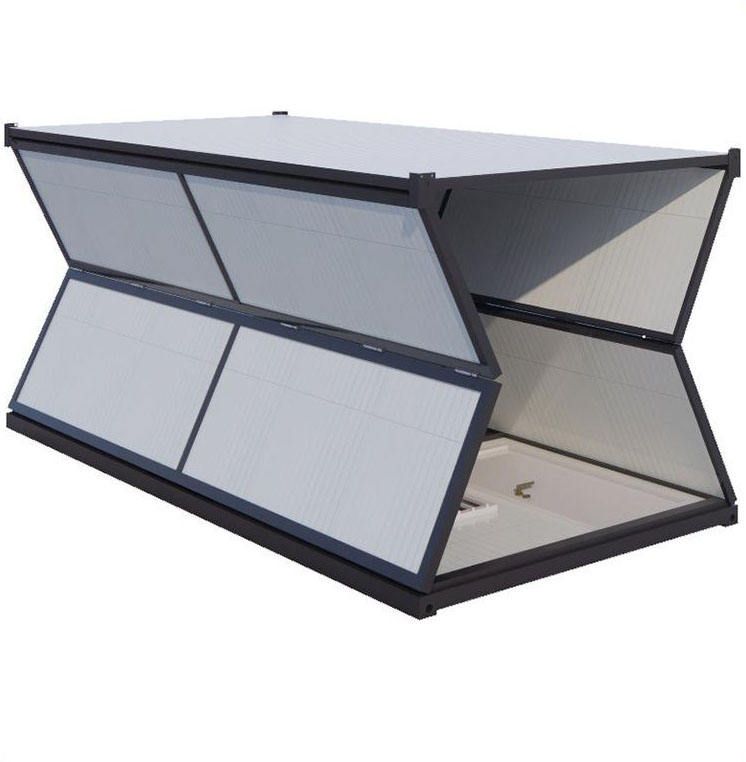
Insufficient Wind Resistance:
- The wind resistance performance of container houses is significantly influenced by their structural design and installation methods. Ordinary container houses, if not reinforced, are prone to damage in strong winds. For example, a container house purchased online by a man in Haiyan, Zhejiang, was blown apart in an 8-level wind, despite being labeled with a wind resistance rating of 10. The manufacturer admitted that the label was merely for advertising purposes and had not undergone actual testing. This indicates significant uncertainty regarding the wind resistance of ordinary container houses in extreme weather conditions.
Poor Living Comfort:
- The metal material of container houses results in poor thermal insulation, making them prone to being stuffy in summer and cold in winter. Although this can be improved by installing air conditioners or insulation materials, it increases costs. Additionally, the ventilation and lighting designs of container houses are limited, potentially affecting the living experience. For example, some container houses require additional windows or vents to improve air circulation, but this may compromise structural integrity.
Low Safety:
- Container houses are often located in remote areas with scattered residences, resulting in a lower safety factor. Compared to commercial housing communities, they lack property management patrols and centralized security measures, making them easy targets for theft or vandalism. Furthermore, the fire resistance of container houses also requires attention. Although some products use fire-resistant materials, overall safety is still inferior to traditional buildings.
Limited Space:
- The internal space of container houses is limited by the dimensions of the containers themselves, typically being quite narrow. Although the area can be increased by stacking or expanding, this sacrifices flexibility and cost-effectiveness. For family living or long-term use scenarios, cramped space may become a major drawback.
Potential Quality Hazards:
- The quality of container houses on the market varies greatly, with some products exhibiting rough welding techniques and inadequate sealing. For example, container equipment rooms purchased for a large petrochemical project in a coastal province suffered from poor sealing, leading to internal condensation and damage to precision instruments. This indicates that low-priced or non-standard products may have serious quality hazards that affect long-term use.



