
Container House Construction
Container house construction primarily adopts a modular building approach, with core steps including factory prefabrication, transportation, and on-site assembly.
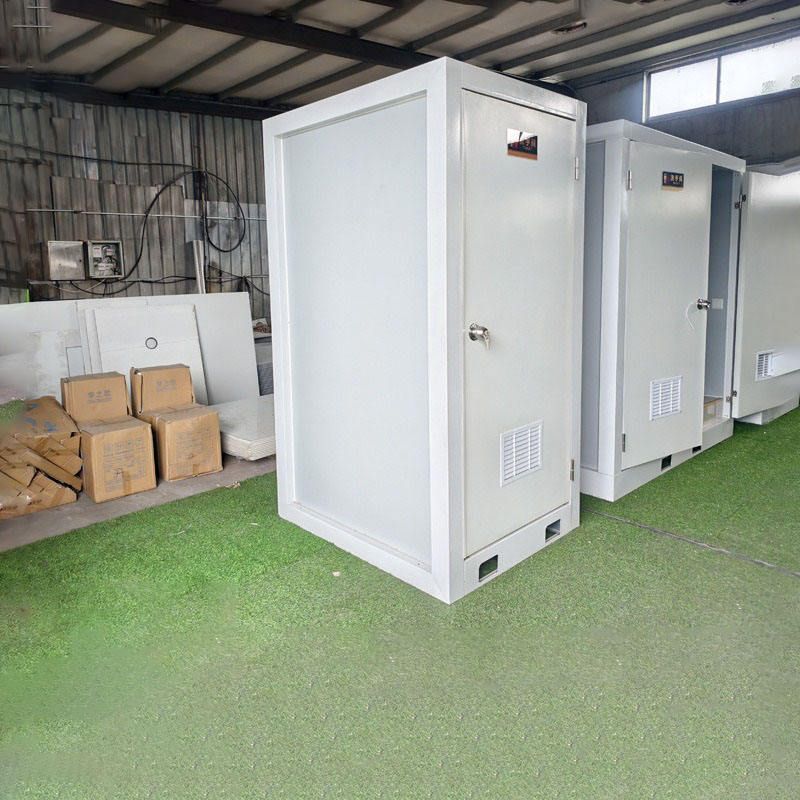
Factory Prefabrication Stage: The construction of container houses centers around factories, where the entire building is divided into several independent modules, such as floor, roof, and side panels. Over 80% of the processes, including the main structure, interior decoration, and installation of mechanical and electrical pipelines, are completed in the workshop. For example, the packing-box units produced by Suzhou Zhongnan Steel Structure Co., Ltd. feature a fully steel structural frame and are fabricated using automated welding processes in the factory, with weld strength meeting the GB/T 19001-2016 standard, ensuring the overall wind and earthquake resistance of the structure. The modular building production base of China Construction Steel Structure Corporation has well-organized kitchen and bathroom layouts and tastefully decorated living rooms, comparable to the standards of finished, high-end residential properties on the market. Factory-based operations significantly enhance the precision of product quality control, free workers from the harsh conditions of outdoor high-altitude work, and reduce noise and construction waste generated on-site, highlighting their low-carbon and environmentally friendly advantages.
Transportation Stage: The prefabricated modules are transported across oceans or land in container form. For instance, the 'building-block houses' produced in Jingjiang are loaded into containers in the form of four independent modules and shipped to North America; the steel structural modular houses produced by China Construction Steel Structure Corporation for an Australian project are transported by short-distance transit to the dock and then shipped overseas. It is essential to ensure the stability of the modules during transportation to minimize damage.
On-site Assembly Stage: After arriving at the designated location, the house only requires a few processes, such as module splicing and connection of water and electricity, before it can be put into use. For example, the quick-assembly containers from Suzhou Zhongnan can be installed in just 2 hours per unit, supporting on-demand splicing and combination, and enabling the construction of 10 standard dormitories in one day; the standard container houses from CIMC require 3 hours for single-unit installation. The on-site assembly stage rarely requires additional large-scale construction, and the overall construction period is 60% to 70% shorter than traditional methods.



