
Quay lại blog
Bài viết
What are the classifications of container houses
Quản trị 16 tháng 9, 2026
Container houses can be classified into the following types according to different classification criteria:
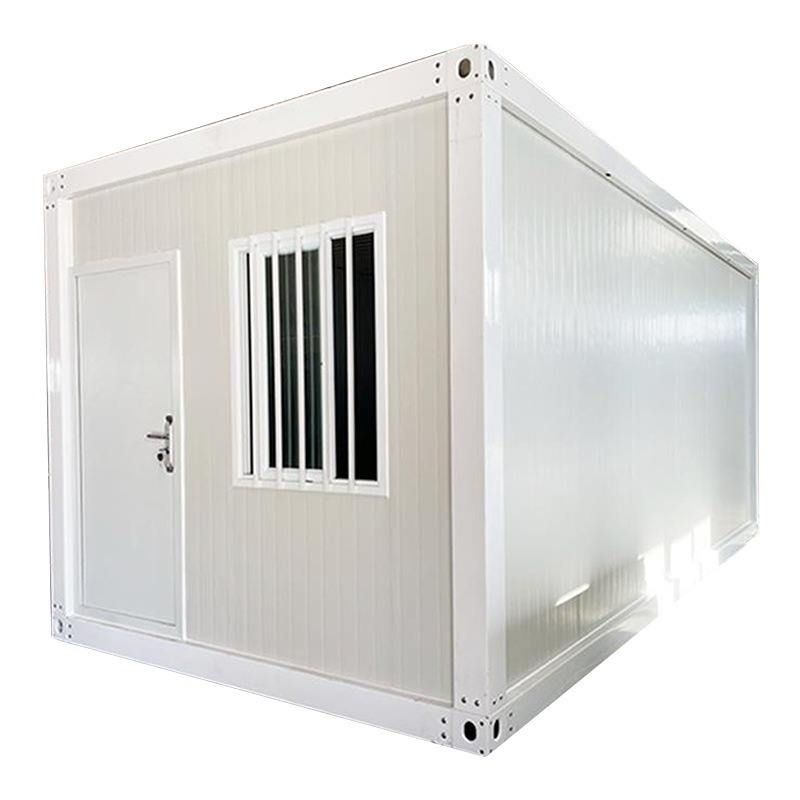
Classification by structural source and construction method
- Custom fixed container modules: Newly built according to ISO modulus, some use thinned plates or material substitutions, corner fittings can be arranged non-standardly, with a high degree of factory automation.
- Variable container modules: Wall panels can be flipped, extended, or rotated (such as expandable shops and display boxes), usually used individually on a single floor.
- By container body forming process: Including fully welded type (dry container type), light steel frame type, plug-in type, folding type, and fixed type.
Classification by spatial combination form
- Single container on the ground: Suitable for independent functional scenarios such as small shops, sentry boxes, and temporary dormitories.
- Horizontal container combination: Horizontally connect multiple containers to form large spaces such as conference rooms, exhibition halls, and homestay lobbies.
- Vertical container stacking: Build vertical buildings such as dormitories and hotels up to 6 floors through vertical force transmission by corner fittings.
- Staggered/cantilevered/L-shaped/U-shaped enclosure: Used for characteristic buildings such as网红民宿 (internet-famous homestays) and cafes. Cantilevered structures require diagonal bracing, and no holes are allowed in the cantilevered section.
Classification by functional use
- Accommodation type: Worker dormitories, temporary residences, homestays, etc.
- Office type: Project departments, construction site command centers, temporary offices, etc.
- Commercial service type: Shops, restaurants, cafes, exhibition halls, etc.
- Sanitary type: Temporary toilets, shower rooms, etc.
- Special type: Medical containers, equipment containers, laboratory containers, explosion-proof/refrigerated containers, and other specialized functions.
Classification by material and mobility
- Material: Steel (most commonly used), aluminum alloy (lightweight but high cost), composite sandwich panel containers.
- Mobility: Fixed type (requires lifting), towable mobile type, folding transport type (compresses volume during transportation and expands quickly upon arrival at the site).



