
Carbon Reduction in Container Houses
Carbon reduction in container houses is mainly achieved through material recycling, energy efficiency improvement, green technology innovation, and full life-cycle management.
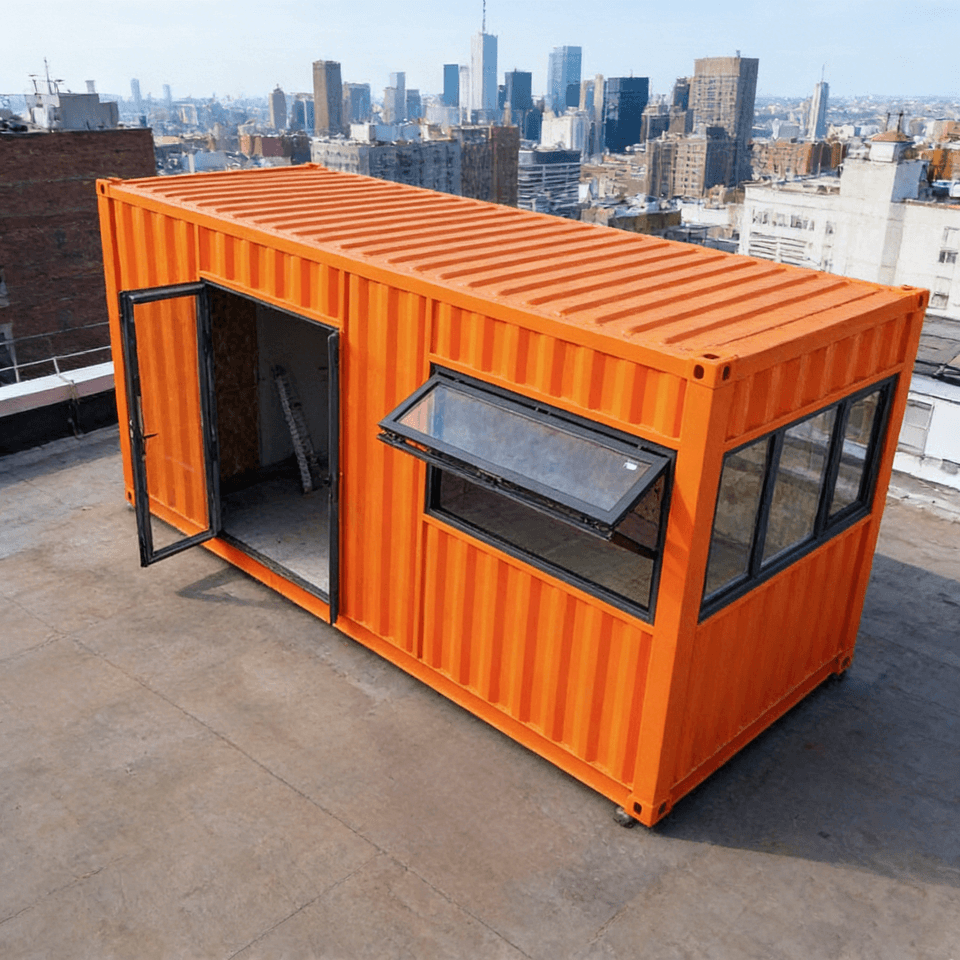
1. Material Recycling and Low-Carbon Substitution
Container houses use recycled steel as their core material, resulting in significantly lower carbon emissions compared to traditional building materials. For example, a standard 20-foot container consumes about 1.2 tons of steel, while the carbon emissions of a concrete temporary house of the same area are 2.3 times that of a container house. By using recycled steel (which reduces carbon emissions by 70% compared to virgin steel), recycled plastic composite panels, and plant-based materials (such as bamboo fiber panels and straw composite panels), the embodied carbon emissions are further reduced. Some companies use high-strength weathering steel (such as Q355B grade), which increases yield strength by 30%, reduces material usage by 15%, and extends the structural lifespan to over 25 years.
2. Energy Efficiency Improvement Technologies
- Thermal Insulation Optimization: Adopting a broken-bridge lining structure (with rigid polyurethane foam filling the gaps in the steel frame) or a three-layer composite structure of "rock wool-air layer-aluminum-zinc-coated steel plate" reduces the heat transfer coefficient to below 0.5 W/(m²·K). This keeps the indoor temperature 8-10℃ higher than the outside in winter, reducing heating energy consumption by 40%.
- Building-Integrated Photovoltaics (BIPV): Flexible photovoltaic panels are installed on the roof and side walls, combined with energy storage batteries to achieve energy self-sufficiency. Excess electricity can be used during off-peak hours, reducing reliance on thermal power.
- Smart Temperature Control System: Real-time monitoring of temperature and humidity through IoT sensors automatically adjusts ventilation or heating equipment to avoid energy waste.
3. Green Technology Innovation Applications
- Self-Circulating Sewage System: Integrating a sewage collection tank with a gravity separator, gray water is filtered and used for vegetation irrigation after sedimentation, while black water is converted into liquid fertilizer through anaerobic fermentation, achieving a water self-sufficiency rate of over 70%.
- Phase Change Material Energy Storage: Phase change materials such as paraffin or hydrated salts are embedded in the walls to absorb or release heat through solid-liquid phase changes, reducing air conditioning energy consumption and improving living comfort.
- Modular and Detachable Design: Using mortise-and-tenon or snap-fit connections enables standardized production and reuse of components, with disassembly and assembly losses controlled within 5%, reducing construction waste.
4. Full Life-Cycle Management
The concept of carbon reduction is implemented throughout the design, production, and recycling stages. For example, CIMC Container optimizes production processes through carbon footprint accounting and has built a 45MW rooftop photovoltaic power station to promote clean energy substitution. COSCO Shipping has launched green and low-carbon dry cargo containers, reducing full life-cycle carbon emissions by over 20% compared to the industry average. Additionally, container houses can be hoisted and relocated as a whole, with a reuse rate exceeding 95%, far higher than the disassembly and assembly losses of traditional prefabricated temporary buildings.



