
Container House Building
Container houses are architectural forms that are either modified or directly constructed using containers as basic modules. They are characterized by flexible adaptability, controllable costs, and reusability, and are widely used in scenarios such as temporary accommodation, event support facilities, and engineering camps.
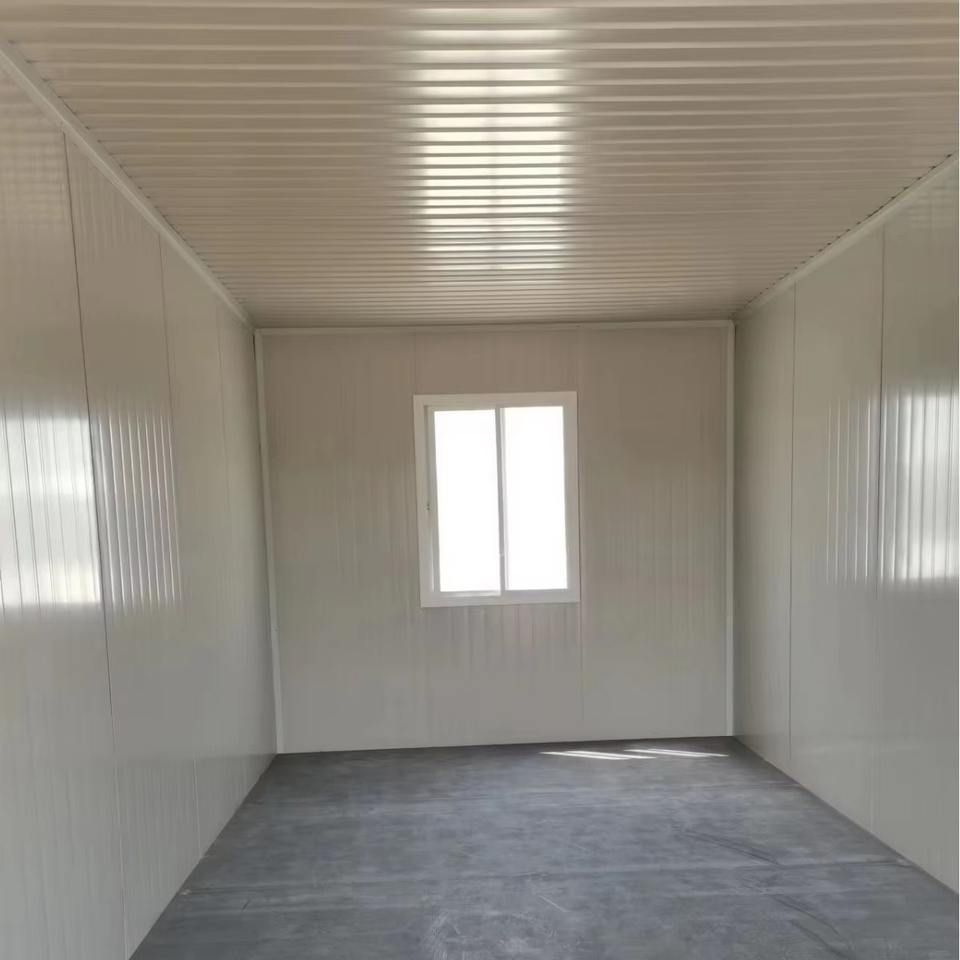
Structural and Construction Features
Container houses use standard containers as basic units, typically employing steel structural frames for high structural strength. Some products undergo special designs, such as adding C-shaped steel purlins and adopting broken-bridge lining structures, to optimize load-bearing and thermal insulation performance. The construction process is mostly completed in factories, including main structures, water and electricity pipelines, and interior decorations. On-site assembly is achieved through lifting and splicing, forming complete buildings like building blocks, significantly shortening construction periods and reducing on-site wet operations.
Performance Advantages
- Strong Structural Stability: High-quality container houses can withstand wind speeds of up to 12 and seismic intensities of 8, with frame deformation rates far below industry thresholds, enabling them to resist extreme conditions.
- High Installation Efficiency: Modular design allows for single-unit installation in just 2-4 hours, supporting on-demand splicing and combination for rapid space expansion to meet different scenario requirements.
- Environmentally Friendly and Recyclable: Steel consumption results in lower carbon emissions compared to traditional concrete buildings, with disassembly and assembly loss rates controlled within 5%. They can be lifted and relocated as a whole, significantly reducing construction waste.
- Optimized Thermal Performance: Through a three-layer structure (outer galvanized steel plate, intermediate rock wool insulation layer, and inner PVC-coated steel plate) and bottom elevated layer design, heat conduction is reduced, enhancing living comfort.
Application Scenarios
- Event Support Facilities: For example, the Nagoya Asian Games used approximately 200 container houses to accommodate athletes, with each house containing 4 beds and sanitary facilities.
- Engineering Camps: Serving as dormitories and offices for long-term on-site projects, supporting rapid delivery and flexible layout adjustments.
- Commercial Temporary Spaces: Suitable for pop-up shops, exhibition booths, etc., with space transformation achievable in just 2 hours.
- Environmental Building Sector: Integrating self-circulating sewage systems for the classification and reuse of water resources and waste.



