
Container House and Light Steel House
There are significant differences between container houses and light steel houses in terms of structural foundation, design features, application scenarios, and performance.
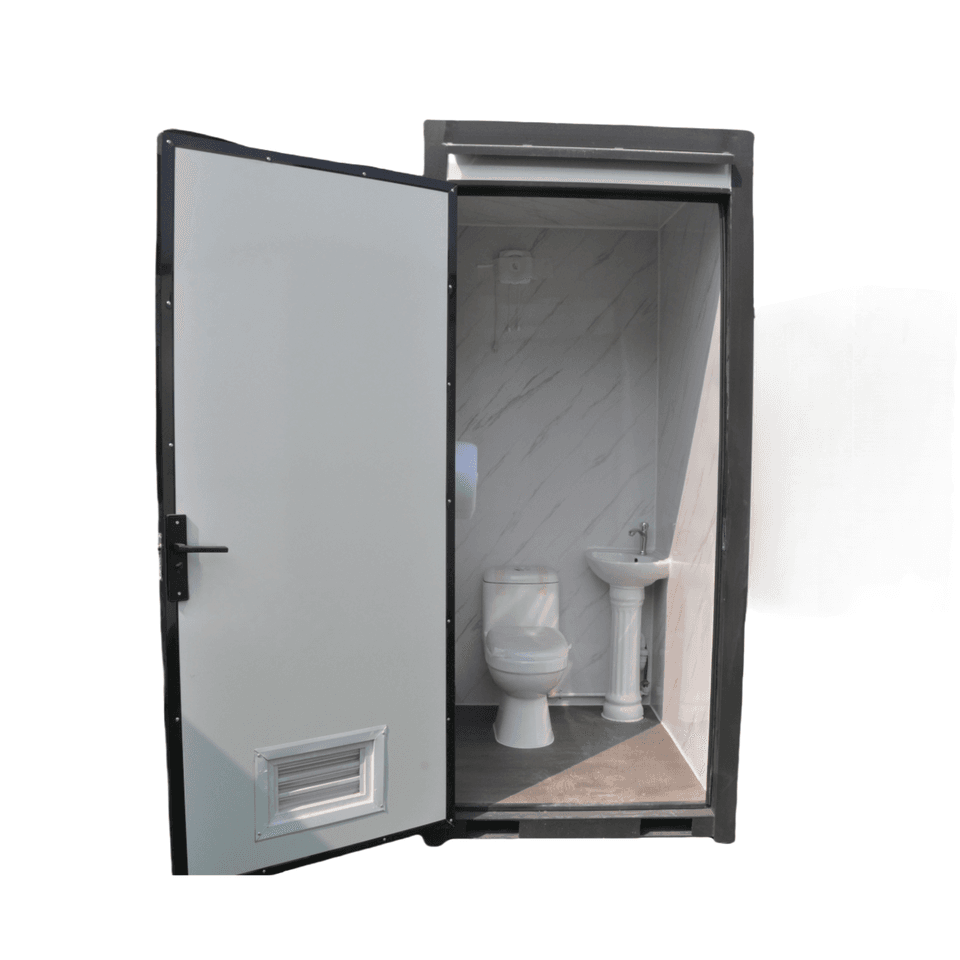
Structural Foundation: Container houses are based on fixed-size container modules, typically using standard 20-foot or 40-foot containers for modification. Their structure is directly composed of steel container bodies, offering modularity and strong mobility. Light steel houses, on the other hand, use cold-formed thin-walled steel or light steel studs as the framework, which are precisely processed in factories to form the building's 'skeleton'. They do not rely on container sizes, allowing for more flexible structures and larger-span space designs.
Design Features: The design of container houses focuses on modularity and standardization. With fixed container sizes (commonly 3 meters by 6 meters), spatial functions are achieved through overlapping strategies, such as compressing the kitchen and bathroom into a wet area, and using convertible furniture to switch between living and sleeping areas. Light steel houses, through computer simulations, pre-design the stress points of the steel, resulting in a framework that weighs only one-fourth of traditional brick-and-mortar structures but offers stronger wind and earthquake resistance. The precision of factory-produced components reaches the millimeter level, with error control far superior to traditional construction methods.
Application Scenarios: Container houses are mostly used in emergency support, short-term turnover, and engineering camps due to their portability, low cost, and dismountable and relocatable features (e.g., a 60% increase in transportation efficiency for foldable containers). Light steel houses are more suitable for long-term residences or commercial spaces, such as cultural tourism projects and eco-friendly building sectors, where their structural stability and optimized thermal performance (e.g., a 40% reduction in heat exchange efficiency through thermal-break lining structures) meet higher comfort requirements.
Performance: The wind and earthquake resistance of container houses vary by manufacturer. Products from leading companies (such as Suzhou Zhongnan Packing Containers) can withstand wind speeds of up to 12 and earthquakes of magnitude 8, while generic products may only reach magnitude 8. Light steel houses, through optimized structural mechanics design, generally offer stronger wind and earthquake resistance. Additionally, they have a high material recycling rate (steel consumption is only 1/2.3 of that of concrete temporary buildings), with disassembly and assembly losses controlled within 5%.



