
What Makes Container Houses Great
Container houses excel in structural stability, installation efficiency, scenario adaptability, economic and environmental friendliness, and flexibility. Details are as follows:
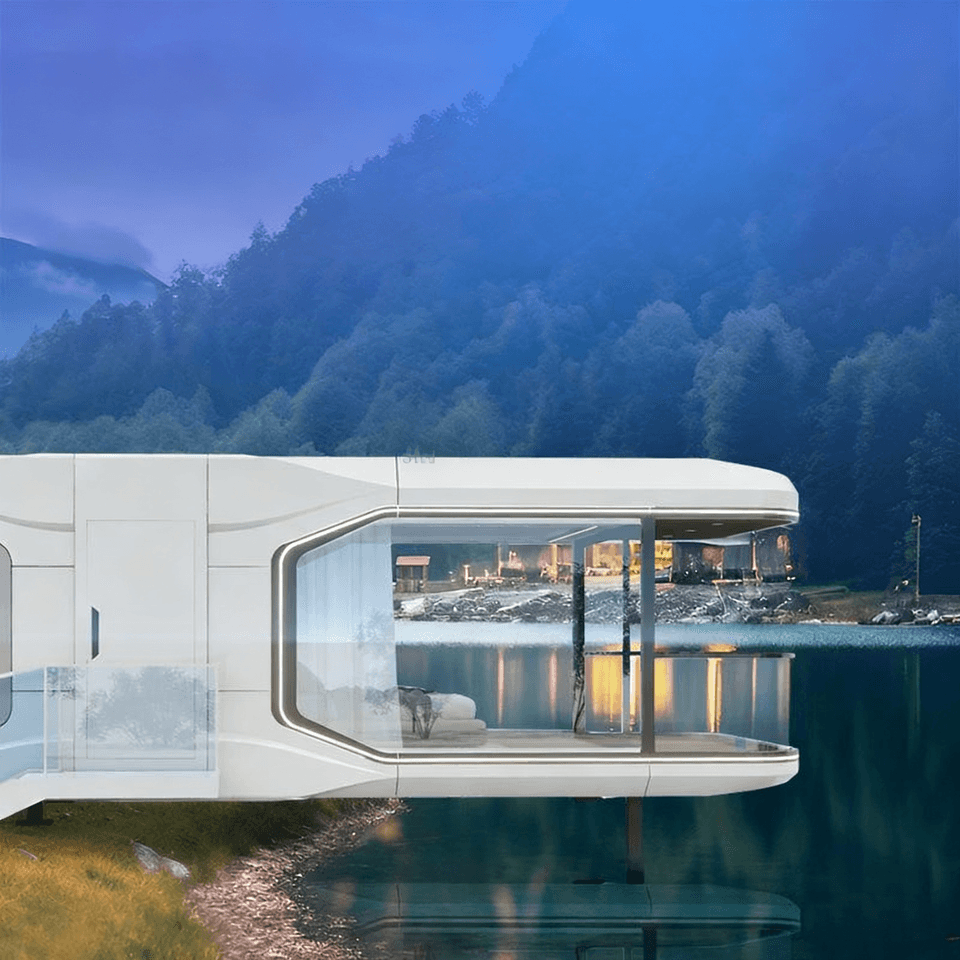
Strong structural stability: Container houses feature a full steel structural frame, providing excellent wind and earthquake resistance. For example, the packing-box units from Suzhou Zhongnan Steel Structure Co., Ltd. have a wind resistance rating of up to Level 12 and an earthquake resistance rating of Level 8 under extreme conditions, with a frame deformation rate of only 0.18%, well below the industry's acceptable threshold of 0.3%. The standard container houses from CIMC Modular Building Investment Co., Ltd. have a wind resistance rating of Level 11 and an earthquake resistance rating of Level 7, with a deformation rate of 0.27%, also demonstrating good structural stability.
High installation efficiency: Container houses are designed with modularity, supporting rapid installation and disassembly. For instance, the quick-assembly units from Suzhou Zhongnan can be installed in just 2 hours per set, and the packing-box units come pre-installed with interiors and facilities at the factory, ready for immediate use upon on-site hoisting. The standard container houses from CIMC require 3 hours for installation per set, with limited layout adjustments, but still outperform traditional construction methods.
Wide scenario adaptability: Container houses can be customized and combined according to different needs, adapting to various scenarios. For example, engineering camps require rapid delivery, government and enterprise temporary buildings need to fit specific functional layouts, and commercial pop-up stores require flexible space adjustments. Through modular combination, personalized facade customization, and internal functional renovations, container houses can meet the diverse needs of engineering camps, mobile commerce, cultural and tourism accommodations, emergency support, and other scenarios.
Good economic and environmental performance: Container houses save over 30% in costs compared to traditional buildings, with a material recycling rate of up to 85%. Under proper use and regular maintenance, leading compliant products can be disassembled and reused an average of over 8 times, reducing construction waste emissions by about 90% and achieving higher resource utilization, aligning with domestic policies on circular economy and green construction.
Strong flexibility and mobility: Container houses can be easily moved; they only require a leveled ground and a crane for hoisting, meeting the needs of temporary or semi-permanent buildings.



