
Container-Built Houses
Container-built houses are structures that use containers as basic modules. Most of the construction processes are completed in the factory before being transported to the site for assembly, featuring characteristics such as disassembly and relocation, low carbon emissions, environmental protection, and short construction periods.
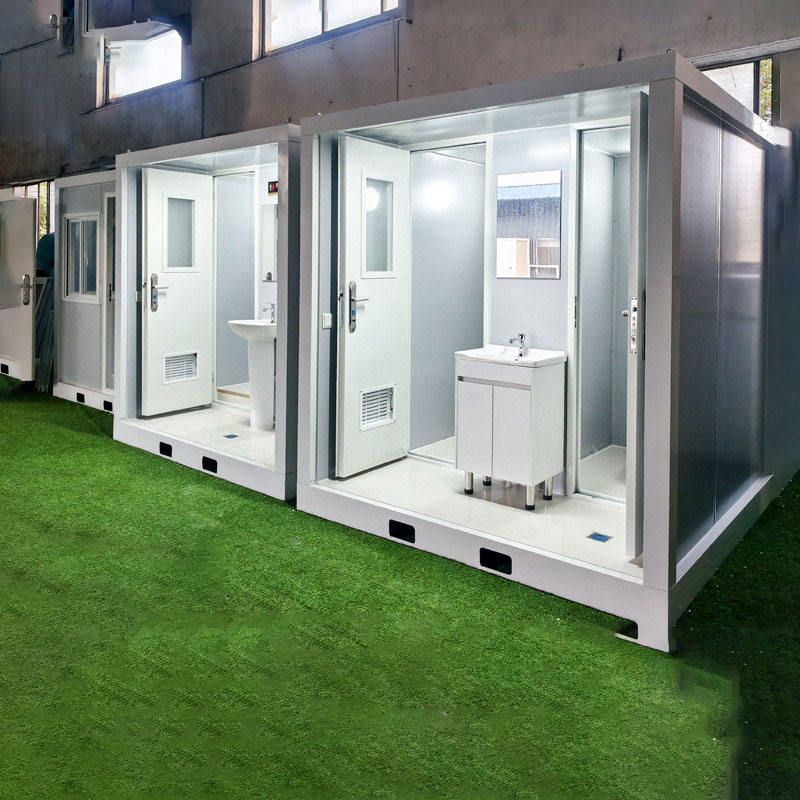
Construction Method: The entire building is divided into independent housing modules. Most processes, including the main structure, plumbing and electrical systems, and interior decoration, are completed inside the factory. Even bathroom waterproofing, bathroom fixtures, cabinets, and wardrobes are installed before transportation to the project site for assembly, similar to building with blocks. For example, China Construction Steel Structure Jiangsu Co., Ltd. produced modular houses for a North American project, which were transported across the ocean in four independent modules within containers and directly assembled into fully furnished residential products upon arrival.
Performance Characteristics:
- Structural Stability: Most use steel structural frames. For instance, the products of Suzhou Zhongnan Steel Structure Co., Ltd. feature a fully steel structural frame with a maximum deformation of only 2mm under the force of a Level 12 strong wind, well below the national standard limit of 10mm, capable of withstanding strong typhoons and high-magnitude earthquakes, meeting local building codes.
- Disassembly and Relocation: They support multiple cycles of disassembly and reuse. Under standardized use and regular maintenance, the average number of disassembly and reuse cycles for leading compliant products can exceed 8 times, allowing for repeated disassembly and relocation to different sites.
- Low Carbon and Environmental Protection: The on-site 'assembly' phase does not generate large-scale noise or construction waste. Construction waste emissions are reduced by approximately 90% compared to traditional fixed temporary buildings, with higher resource utilization rates.
Application Scenarios: They are suitable for diverse scenarios such as engineering camps, mobile commerce, cultural and tourism accommodations, and emergency support. For example, container houses were used to accommodate athletes and team officials at the Nagoya Asian Games; China Construction Science and Industry Corporation adopted a modular construction solution for the MRDC Modular Hotel Project in Papua New Guinea.
Market Prospects: Overseas market demand continues to grow rapidly. In the first half of 2026, China's total export value of prefabricated modular buildings under HS code 9406 reached $2.79 billion, a year-on-year increase of 45%, with steel structural modular houses being the main export category.



