
Construction Site Temporary Mobile Environmental Toilet
A construction site temporary mobile environmental toilet is a public sanitation facility suitable for temporary locations such as construction sites. It offers the advantages of mobility, modularity, and ease of transportation, while also being environmentally friendly and energy-efficient. The following provides an introduction from several aspects including materials, sewage treatment methods, internal configurations, and other features:
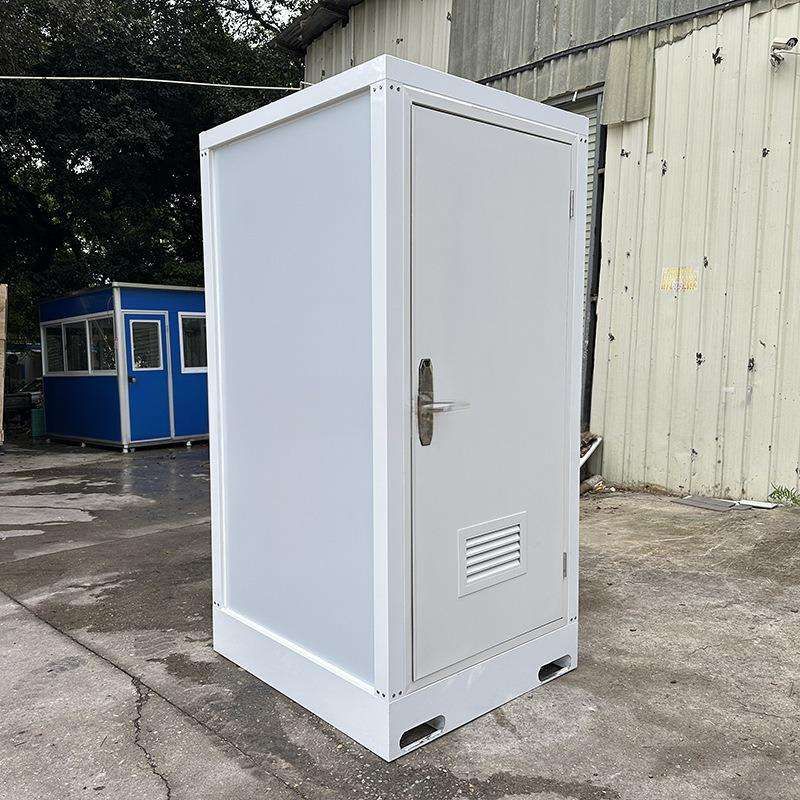
Materials: Initially made of wood, it has gradually evolved to use materials such as fiberglass-reinforced plastic and polyethylene. The frame is welded from national standard steel, with the surface covered with anti-corrosion and fire-resistant materials such as color-coated steel plates or carved panels, providing a service life of over 20 years. These materials are not only sturdy and durable but also possess excellent anti-corrosion and fire-resistant properties, enabling them to adapt to the complex environmental conditions of construction sites.
Sewage treatment methods: There are various types. The circulating water flushing type is equipped with intermittent aerobic and anaerobic sewage treatment devices for fecal matter. Biological strains are added, and biofilm technology is employed to accelerate decomposition. The treated water can be recycled for flushing, achieving water resource recycling. The dry packing type without water flushing uses biodegradable plastic bags to collect excreta, which are automatically replaced and collected for centralized treatment after use, eliminating the need for water and reducing water consumption and sewage discharge.
Internal configurations: It features an independent toilet pit partitioned treatment system. The urine channel utilizes gravity flow, while the feces channel is cleaned by a piston-type scraper mechanical device. It is also equipped with anti-slip floors, automatic flushing toilet bowls, and ventilation and lighting systems. Standard configurations include toilet bowls (urinals), coat hooks, vanity mirrors, paper baskets, lighting fixtures, exhaust fans, door locks, and occupancy indicator lights. Optional configurations include heating and cooling air conditioners, air purifiers, anti-freeze systems, heating systems, background music, washbasins, and water-saving faucets, meeting the needs of different users.
Other features: It employs intelligent control systems and insulation systems. By adding water-saving special agents, it can achieve a low water consumption flushing effect of 0.46 to 1.5 liters per person. The materials used are mostly environmentally friendly panels with recycling value. The main materials have a long design life, occupy a small area, have low land dependency, have a short construction period, and can be reused.



