
Usage Regulations for Portable Toilets at Construction Sites
The usage regulations for portable toilets at construction sites mainly cover six aspects: site selection and installation, facility provision, daily management, hygiene and disinfection, response to special weather conditions, and compliance and safety assurance.
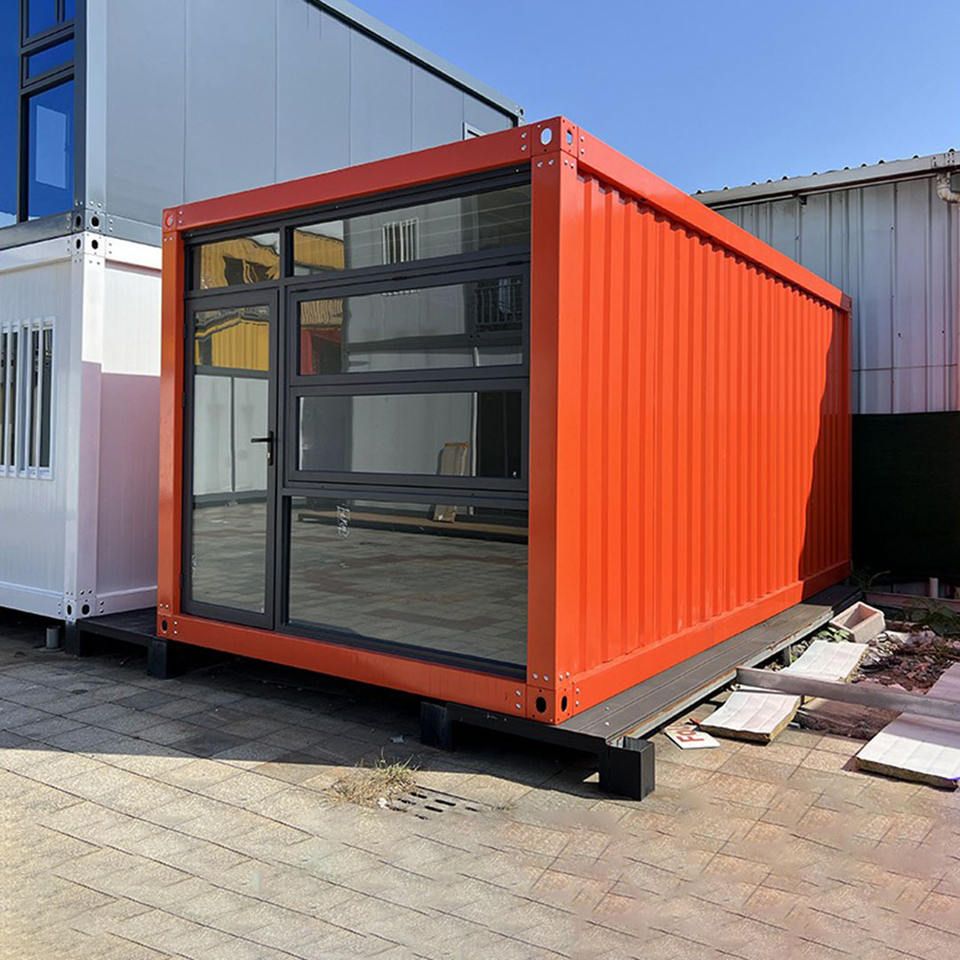
Site Selection and Installation Requirements: Portable toilets should be placed at least 5 or 10 meters away from the construction area, away from sensitive locations such as water sources, fire sources, dusty areas, and living quarters to avoid pollution or safety hazards. During installation, ensure the ground is level, use expansion bolts to secure the toilet body to prevent tilting or water accumulation, and set up clear signage around it for easy identification by personnel.
Facility Standards and Provision: The toilets should have independent drainage, flushing, ventilation, and leak-proofing functions, with toilet fixtures effectively isolated from the external environment. They should be equipped with cleaning tools, handwashing facilities, ventilation equipment, and garbage containers, and regularly maintained. Each individual toilet stall should have an area of no less than 1.2 square meters and be provided with basic facilities such as a handwashing sink, toilet paper, and hand soap to ensure convenience of use.
Daily Use and Management Standards: Assign dedicated personnel to clean the toilets at least twice a day, focusing on wiping down frequently touched areas and promptly removing waste. Regularly inspect toilet fixtures, electrical circuits, flushing systems, and other equipment, and report for repairs immediately if any damage is found. Prohibit the stacking of miscellaneous items or the disposal of cigarette butts and construction waste to keep passageways clear. Regularly disinfect to prevent the spread of infectious diseases.
Hygiene and Disinfection Requirements: The operator should establish a hygiene management system, specifying cleaning and disinfection frequencies and operational procedures. The disinfectants used should comply with hygiene and safety standards, and the use of protective equipment should be enforced to ensure the safety of operators.
Response Measures for Special Weather Conditions: During the rainy season or extreme weather, strengthen inspections of anti-slip and drainage facilities, and add rain shelters or anti-slip mats if necessary. In winter, perform anti-freezing treatments on water tanks and pipes to prevent damage from freezing. During windy weather, secure the toilet body to prevent tipping and ensure safety of use.
Compliance Use and Safety Assurance: Construction personnel should adhere to the principle of "civilized toilet use" and are prohibited from disposing of construction waste or flammable and explosive materials. In case of equipment failure, contact the rental company for repairs and do not dismantle or modify the equipment without authorization. The toilets should be equipped with emergency lighting and ventilation equipment to ensure safety of use at night.



