
Quay lại blog
Bài viết
Construction Site Portable Toilet Rental Guide
Quản trị 10 tháng 10, 2026
Renting portable toilets for construction sites requires comprehensive planning in terms of selection, allocation, costs, pitfalls to avoid, and maintenance to ensure suitability for needs and compliance with regulations while being efficient.
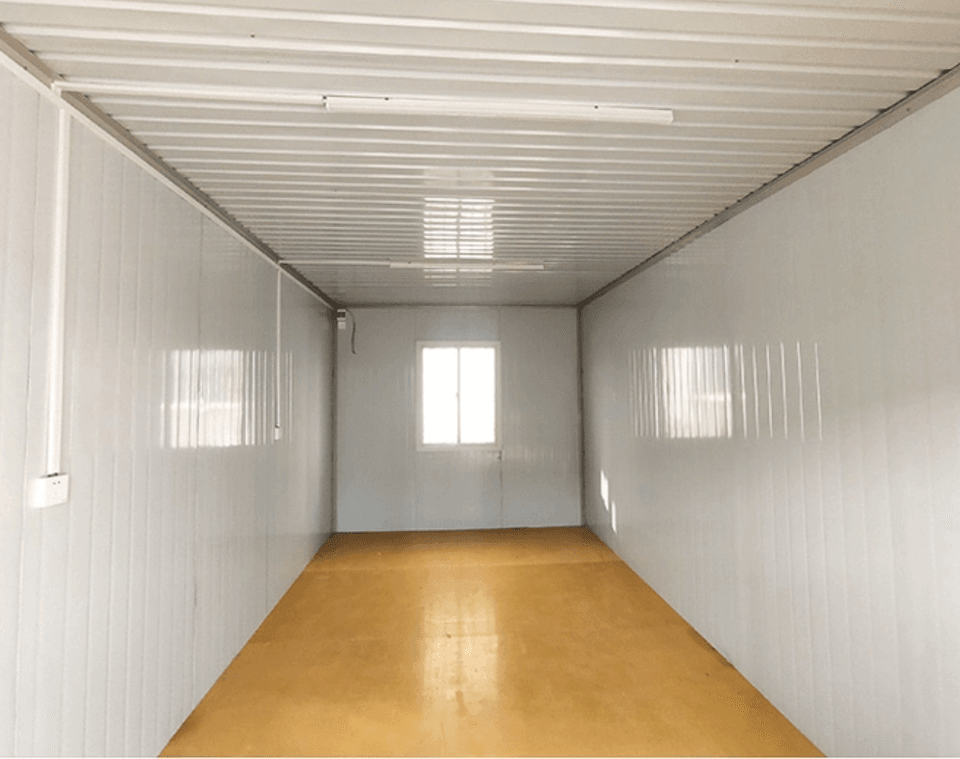
1. Select Toilets Based on Needs to Suit Construction Site Scenarios Choose toilet types according to the scale of the construction site, project duration, and supporting conditions:
- For short-term small construction sites or sites without water and electricity, prioritize waterless packing portable toilets, which do not require connections to water, electricity, or sewage networks, eliminating leakage and pollution risks.
- For long-term large construction sites or areas with a high density of personnel, recommend water-saving flushing models or microbial degradation models, which have less odor and offer a better user experience.
- For special needs, additional barrier-free toilet stalls or temporary shower rooms can be provided.
- Subdivide types by scale: basic models (single stalls, suitable for short-duration small construction sites), standard models (double/triple stalls, for medium- to large-scale construction sites), eco-friendly models (water-saving/packing technology, for sites without sewage conditions), luxury models (exquisitely decorated, for high-end projects), and special-function models (barrier-free/nursery room combinations, for specific population needs).
2. Allocate Toilets Scientifically to Ensure Compliance and Avoid Shortages
- Number of toilet stalls: Allocate one toilet stall for every 20–25 construction workers, calculate based on the maximum number of on-site personnel during peak periods, and reserve a surplus.
- Gender-separated areas: Reasonably divide areas, place them centrally, and set clear signs to avoid confusion in use.
3. Clarify Cost Details to Eliminate Hidden Charges
- Regular package contents: Equipment rental, transportation and loading/unloading, installation, regular sewage removal, cleaning and disinfection, and removal and disposal.
- Details to verify: Whether round-trip transportation costs, basic debugging fees, and regular cleaning and sewage removal services are included; whether additional charges apply for long-distance transportation, night construction, or expedited delivery.
- Rental period discounts: Short-term rentals are charged by the day, while long-term rentals (monthly/annual) enjoy tiered discounts, with the deposit fully refundable upon return of the rented items.
4. Key Points to Avoid Pitfalls in Rental and Refuse to Step on Mines
- Service provider qualifications: Choose a regular team that provides equipment maintenance, regular operation and maintenance, and emergency repairs.
- Equipment quality: Reject low-priced and inferior products. Old toilets are prone to leakage, fecal blockage, and heavy odor, affecting safety inspections and civilized construction inspections.
- Contract terms: Sign a formal agreement that clearly specifies the rental period, costs, frequency of operation and maintenance, fault response time, and damage compensation standards.
5. On-site Placement and Maintenance to Ensure Long-term Effective Use
- Location requirements: Keep away from canteens, water sources, and power distribution rooms. Choose a location with flat terrain, good ventilation, and easy access for sewage removal vehicles.
- Seasonal protection: Install anti-freezing and insulation facilities in winter to prevent pipeline freezing and blockage; strengthen ventilation and deodorization and regular disinfection in summer to avoid mosquito breeding.
- Daily maintenance: Have the service provider regularly remove sewage, clean, and replace consumables to keep the toilets clean and odor-free.



