
Quay lại blog
Bài viết
Illustrated Guide to the Structure of Mobile Toilets on Construction Sites
Quản trị 01 tháng 10, 2026
The structure of mobile toilets on construction sites can be illustrated and explained from three dimensions: structural form, mobility method, and sewage treatment method, as detailed below:
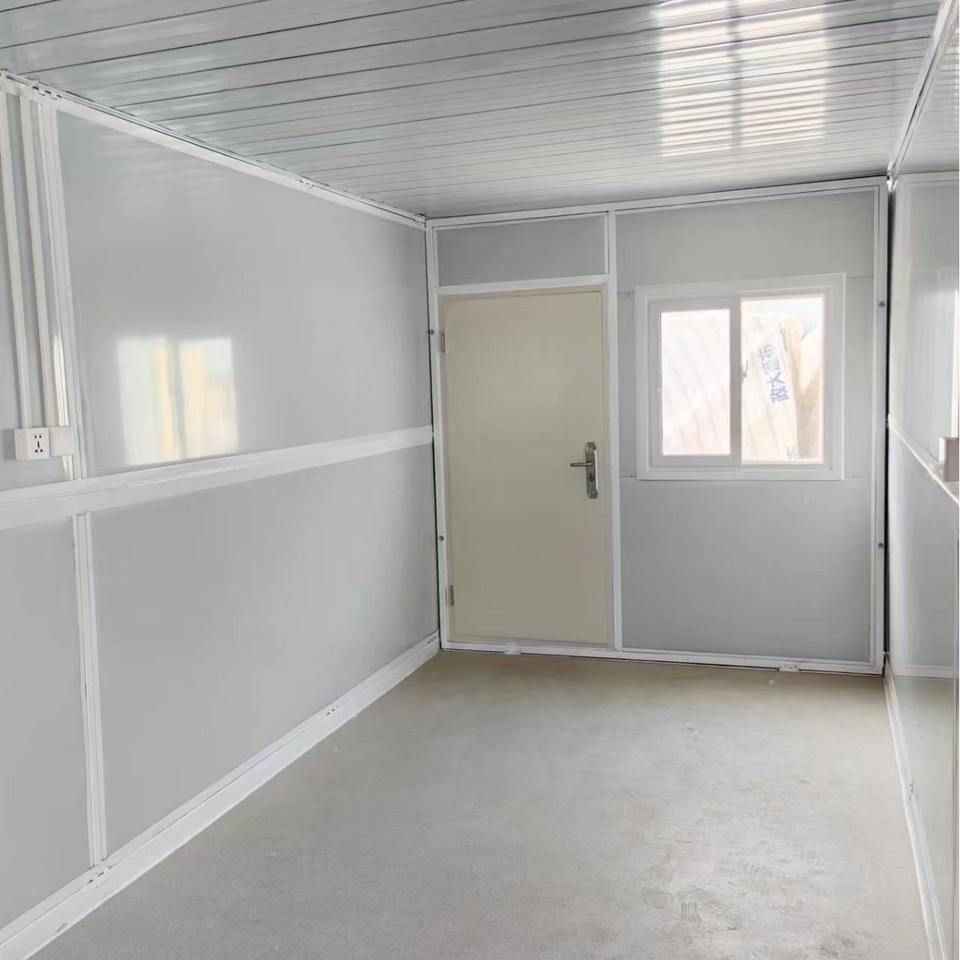
1. Classification by Structural Form
- Single-Unit Mobile Toilets
These are standalone units with only one toilet cubicle inside. Common materials include fiberglass, polyethylene, concrete panel assemblies, or steel frames covered with lightweight panels (such as color steel plates or metal carved panels). The base uses channel steel or I-beam welded frames, with square steel columns for easy handling or lifting, and can even be assembled on-site. Their characteristics include a lightweight structure, small footprint, and the ability to be combined into arrays to meet the needs of multiple users. - Composite-Structure Mobile Toilets
These toilets contain two or more cubicles (up to more than ten) and are typically made of steel frames covered with lightweight panels or are refurbished from shipping containers or bus bodies. Their characteristics include multiple cubicles, high utilization efficiency, suitability for construction sites with high foot traffic, and some featuring modular designs for rapid deployment.
2. Classification by Mobility Method
- Lifting and Handling Mobile Toilets
Handling-type toilets are made of lightweight materials such as fiberglass or polyethylene, mostly in single-unit structures without moving devices, relying on manual handling or on-site assembly of components. Lifting-type toilets are made of steel structures covered with lightweight panels or are refurbished from shipping containers, with a larger mass requiring lifting devices (such as hook-lift trucks) for assistance. Some use mechanized operations for higher efficiency. Their characteristics include the flexibility of handling-type toilets but with smaller capacity, and the strong mobility of lifting-type toilets, which can be reused at different locations, reducing demolition losses. - Powered and Trailer-Type Mobile Toilets
These are refurbished from the chassis of large buses or flatbed transport vehicles, with powered types having their own engines and trailer types requiring a towing vehicle for movement. Their characteristics include extremely high mobility, allowing them to travel to any location reachable by vehicles; trailer types have high space utilization and can be decorated as high-end toilets, suitable for places with high decoration requirements.
3. Classification by Sewage Treatment Method
- Water-Flush and Waterless-Flush Suction Mobile Toilets
Water-flush types have built-in water tanks and flushing devices, connecting the toilet cubicles to fecal storage tanks through pipes, with some using vacuum suction technology to reduce water usage and odors. Waterless-flush types rely on fecal storage tanks or biodegradation technology, such as adding bacteria to accelerate the decomposition of solid waste or using biodegradable materials to seal and package feces. Their characteristics include better sanitary conditions for water-flush types but requiring water resources, while waterless-flush types are suitable for water-scarce environments but require regular cleaning of fecal storage tanks. - Recirculating Water-Flush Mobile Toilets
These toilets recycle water resources through filtration and disinfection systems to reduce water consumption. Their characteristics include environmental protection and water conservation, but with complex structures requiring regular maintenance of filtration devices. - Dry-Packing Mobile Toilets
After defecation, feces are automatically sealed and packaged with biodegradable materials for immediate isolation. Their characteristics include no odor leakage but requiring regular replacement of packing materials.



