
Construction Site Mobile Toilet Research Project
The research project on mobile toilets for construction sites primarily focuses on aspects such as materials and structures, water treatment and energy technologies, intelligent management, multifunctional integration, environmental adaptability, improvement of hygiene standards, and optimization of energy consumption. The specific details are as follows:
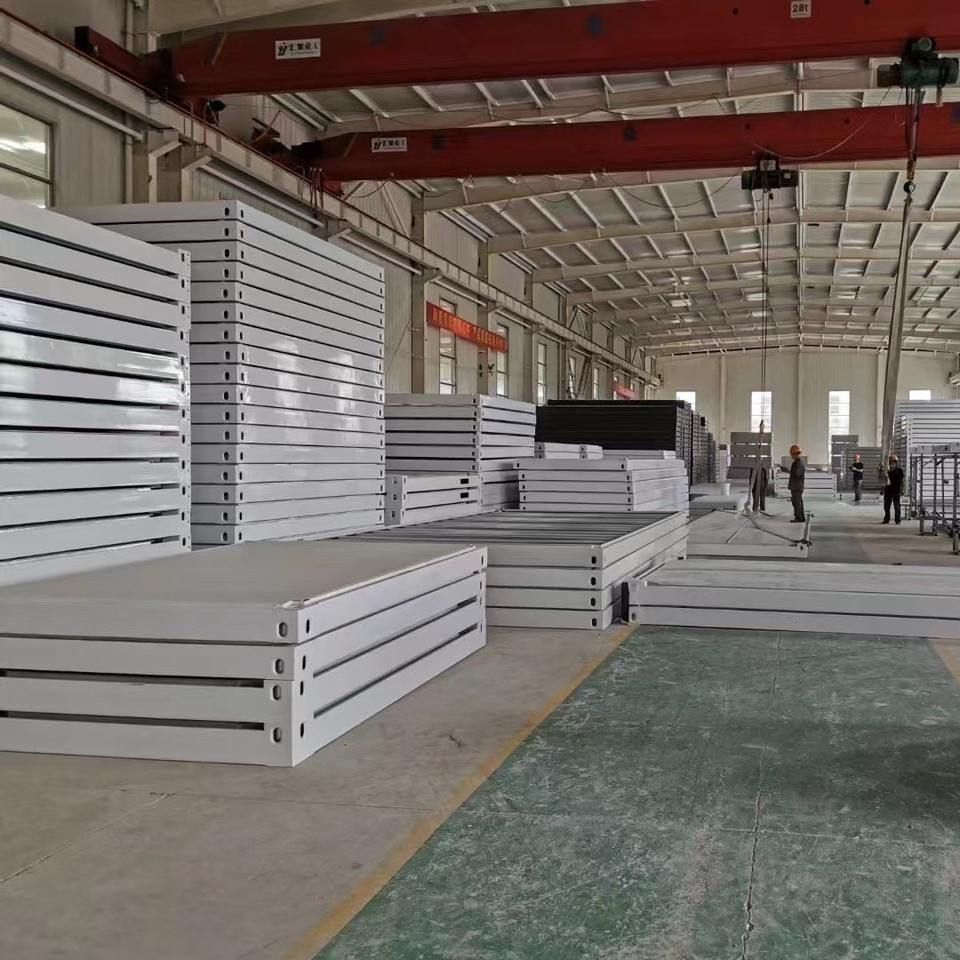
Materials and Structures: Metal alloys and polymer composites are gradually replacing traditional materials, enhancing corrosion resistance and structural stability. Modular design enables rapid assembly and disassembly, allowing flexible adaptation to changes in construction site locations and improving equipment reusability.
Water Treatment and Energy Technologies: Water recycling technology achieves limited reuse of flushing water through miniaturized water treatment units, reducing dependence on external water sources. Biodegradation technology utilizes microorganisms to decompose waste, lowering solid residue levels. Solar power systems provide continuous electrical support for areas without grid access, ensuring equipment operation.
Intelligent Management: Sensors monitor filling status, water usage, and equipment failures in real-time, transmitting data wirelessly to a management platform. This transforms maintenance from regular inspections to on-demand responses, improving resource utilization efficiency and reducing labor costs.
Multifunctional Integration: Some units incorporate changing areas, handwashing and disinfection devices, and barrier-free access. Internal spaces are optimized for user experience through ergonomics while controlling overall volume, achieving a transition from single-function to multifunctional facilities.
Environmental Adaptability: For cold regions, insulation layers and anti-freezing drainage designs are added. In hot and humid areas, ventilation and mold prevention are enhanced. Construction sites with special geological conditions employ reinforced foundations and balancing devices to ensure normal functionality under various climatic and topographical conditions.
Improvement of Hygiene Standards: Ultraviolet disinfection devices and ozone sterilization technologies have become common configurations. Touchless flushing systems and automatic cleaning functions reduce cross-infection risks, bringing the hygiene level of temporary construction site facilities close to that of fixed buildings.
Optimization of Energy Consumption: Low-flow flushing technology controls single-flush water usage at low levels. LED lighting systems reduce power consumption. Wastewater heat recovery units improve energy utilization efficiency, enabling mobile toilets to maintain normal operation under limited resource conditions.



