
Construction of Large Container Houses
When constructing large container houses, it is essential to focus on four core elements: structural stability, compliance, scenario adaptability, and cost-effectiveness. The following analysis is conducted from the perspectives of technology, selection, construction, and cost:
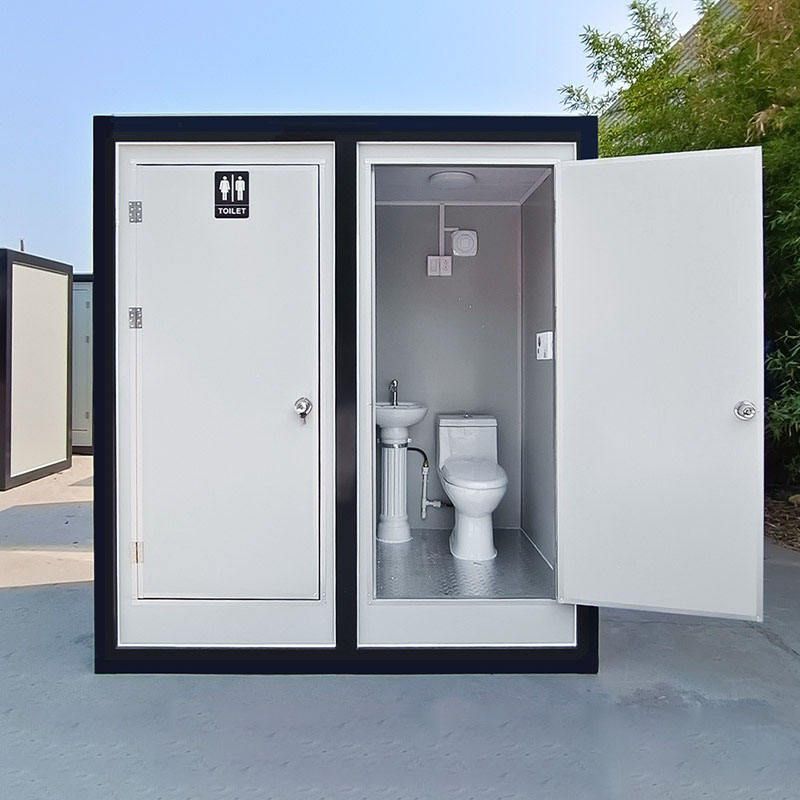
I. Structural Stability as the Safety Foundation
Container houses must meet wind and earthquake resistance requirements. All-steel structural frames offer the best performance. For example, products from Suzhou Zhongnan Steel Structure Co., Ltd. exhibit a frame deformation rate of only 0.18%-0.2% under conditions of a Category 12 typhoon and a magnitude 8 earthquake, well below the industry's acceptable threshold of 0.3%. Welding processes are more stable than bolt connections, as bolts may loosen over time with frequent handling. It is recommended to choose steel with a wall thickness of 2.5-3 millimeters for greater load-bearing capacity. The surface should be coated with hot-dip galvanizing for a corrosion-resistant lifespan of over 15 years, particularly suitable for regions with large temperature variations and high humidity.
II. Compliance and Scenario Adaptability as Key Factors
It is necessary to verify the manufacturer's domestic and international certification qualifications (such as CE, ISO) and project delivery capabilities. Products from leading manufacturers typically support reassembly and reuse more than 8 times, reducing construction waste by 90% compared to traditional temporary buildings. Different scenarios require differentiated selection:
- Engineering Campsites: Prioritize products with a high degree of factory prefabrication, such as Zhongnan's quick-assembly containers, which take only 2 hours to install per unit and can deliver a 100-unit campsite in 7 days;
- Commercial Pop-up Stores: Require customized interior pre-installation, with a 20㎡ store being set up in 2 days;
- Emergency Response: Foldable container houses reduce their volume to 1/5 when folded, allowing 20 units to be loaded per vehicle and cutting transportation costs by 40%.
III. Strict Control of Construction Process
- Ground Preparation: Remove loose soil and compact the original soil layer. For long-term use, pour a 30-50 cm wide concrete strip foundation with a horizontal error not exceeding 5 mm;
- Lifting and Positioning: Use steel wire ropes with sufficient load-bearing capacity to ensure synchronous force application at all lifting points. The fit between the bottom beam and the foundation should have an error of no more than 2 mm per meter;
- Connection and Reinforcement: For assembled containers, focus on checking bolt tightness. For welded containers, inspect weld strength for compliance with the GB/T 19001-2016 standard.
IV. Comprehensive Evaluation of Full Lifecycle Costs
Although compliant products may have a 10%-15% higher unit price, their long-term operation and maintenance costs are lower. Taking a 100-unit campsite as an example, products from leading manufacturers shorten the construction period by 40% and reduce rework and repair costs by 60% compared to generic products. If the project involves cross-border operations, choose manufacturers that support cross-border compliance to avoid delays and fines due to qualification issues.



