
How About Construction Mobile Toilets
Construction mobile toilets are flexible, convenient, and highly adaptable sanitation facilities that can meet sanitation needs in temporary or special scenarios.
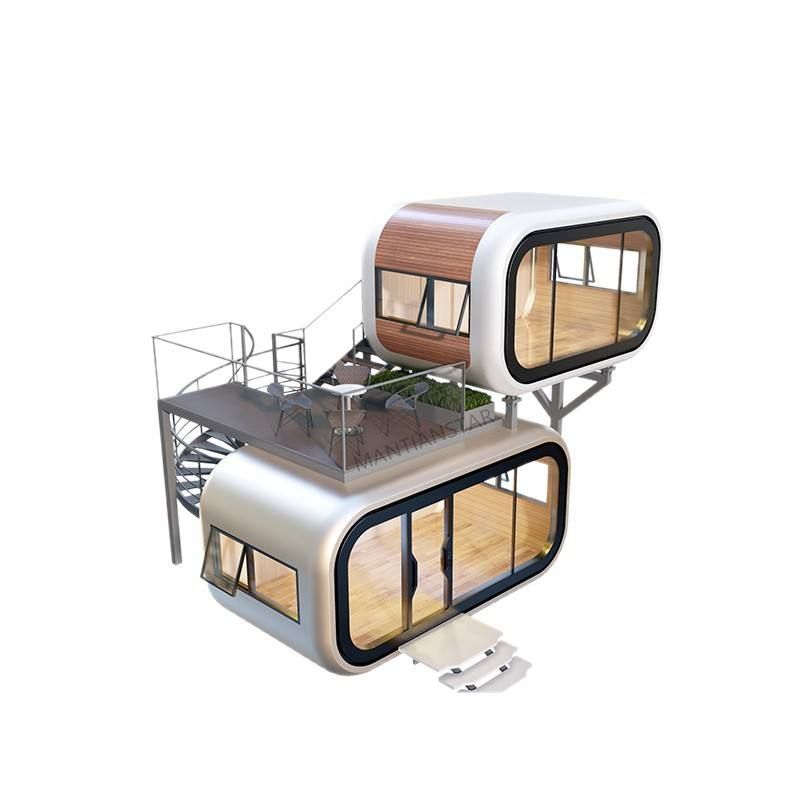
Basic Concepts and Types
Construction mobile toilets are typically made of lightweight materials such as steel structures or composite materials and are equipped with basic sanitation facilities like toilets and sinks. Their core advantage lies in the fact that they do not require a fixed sewer system, instead handling waste through built-in storage tanks or biodegradable technologies. Based on functional differences, they are mainly divided into four categories:
- Ordinary Mobile Toilets: These have a simple structure and low cost, suitable for short-term events such as fairs and exhibitions.
- Environmentally Friendly Mobile Toilets: These use biodegradable or chemical treatment technologies to reduce pollution, making them suitable for scenarios with high environmental protection requirements.
- Barrier-Free Mobile Toilets: These have larger interior spaces and are equipped with facilities such as handrails, specifically designed for individuals with mobility impairments.
- Solar-Powered Mobile Toilets: These utilize solar power for electricity, suitable for remote areas without access to the power grid.
Core Advantages
- High Flexibility: They can be quickly deployed or removed, adapting to temporary events such as music festivals and sports events or emergency needs such as disaster relief.
- Cost Savings: There is no need to build fixed facilities, saving construction time and material costs, especially suitable for scenarios with limited budgets.
- Strong Environmental Protection: Some models adopt water-saving designs or biodegradable technologies to reduce resource consumption; their use in tourist attractions can minimize damage to the ecological environment.
- Sanitation Guarantee: Regular cleaning and maintenance ensure a clean usage environment. Modern models are also equipped with ventilation systems, deodorization devices, or biological enzyme decomposition technologies to effectively reduce odors.
Application Scenarios
- Construction Sites: They provide temporary sanitation facilities for workers, solving the problem of toilet access during construction.
- Large-Scale Events: They meet the needs of large crowds in a short period, preventing a shortage of fixed toilets.
- Tourist Attractions: In nature reserves, mobile toilets can reduce interference with the ecology.
- Emergency Disaster Relief: After earthquakes, floods, and other disasters, they quickly provide sanitation facilities to prevent the spread of diseases.
Maintenance and Management Points
- Regular Inspections: Ensure that facilities such as toilets and sinks are functioning properly.
- Timely Cleaning: Adjust the cleaning frequency based on the number of users (generally at least once a day, with more frequent cleaning during peak periods).
- Supply Replenishment: Items such as hand soap and toilet paper should be replenished in a timely manner.
- Winter Protection: In cold regions, anti-freezing measures should be taken to prevent pipe breakage.
Future Trends
With technological advancements, mobile toilets will evolve towards intelligence (such as automatic cleaning and sensor-activated flushing), energy efficiency (further reducing water and electricity consumption), and modular design (facilitating rapid assembly and transportation) to better adapt to diverse needs.



