
Mobile Toilets on Construction Floors
The installation of mobile toilets on construction floors requires comprehensive consideration of their structure, setup requirements, advantages, and precautions to achieve efficient, safe, and environmentally friendly construction site management goals.
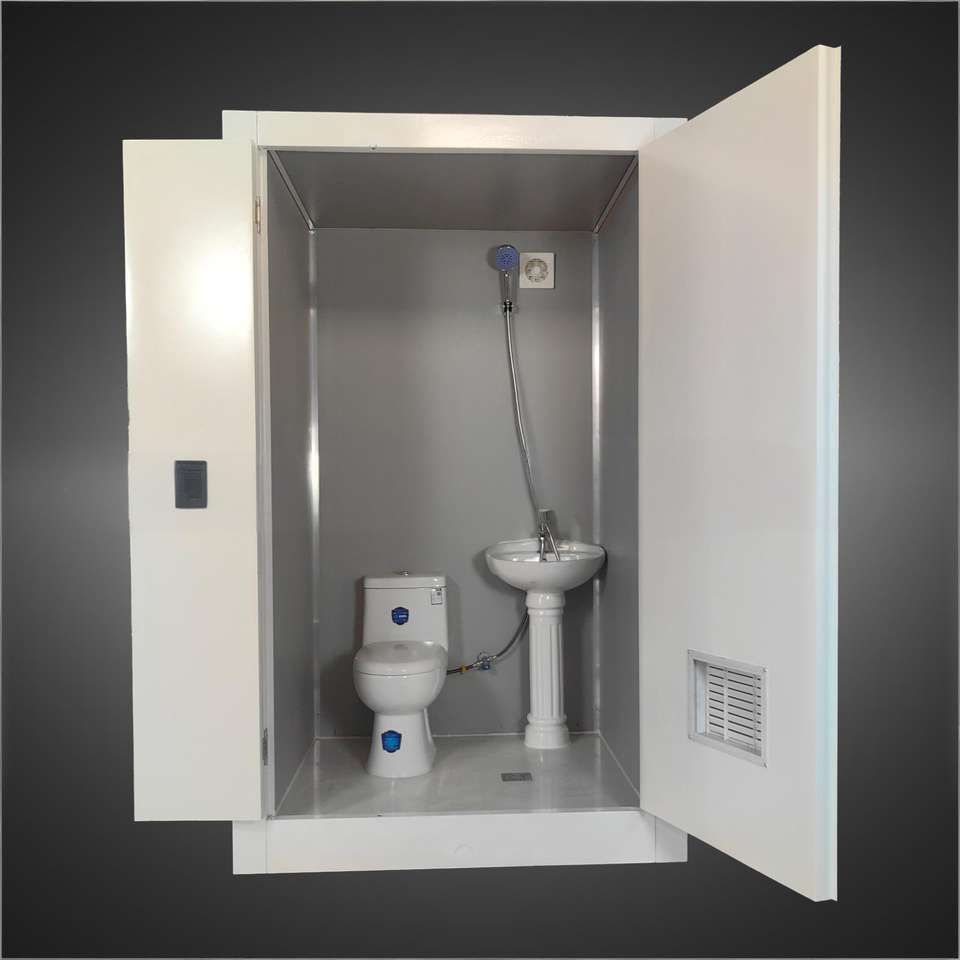
Basic Structure and Function
Mobile toilets for construction floors are typically constructed using lightweight, high-strength materials such as plastic or steel frames. They are equipped with simple flushing systems or dry treatment devices internally. Some models integrate solar lighting, ventilation facilities, or biodegradation technology, preventing odor diffusion through sealed sewage storage tanks. The core design focuses on portability, allowing them to be quickly transported to different floors via tower cranes or construction elevators to meet dynamic construction needs.
Setup Specifications and Location Selection
Mobile toilets are generally installed starting from the 8th floor, with an additional toilet added every 4 floors thereafter to ensure convenience for workers. The placement locations should be planned in advance to avoid occupying main construction passages or affecting material storage, though there are no strict fixed location requirements as long as they do not interfere with construction site operations.
Significant Advantages Over Traditional Solutions
- Improved Hygiene Conditions: Traditional simple toilets have low cleaning frequencies and are prone to bacterial growth; mobile toilets' sealed sewage storage tanks and biodegradation technology significantly reduce odors and pollution.
- Reduced Time Costs: Workers need 10-15 minutes to travel to ground-level toilets, while floor-level mobile toilets reduce this time to 2-3 minutes, directly enhancing construction efficiency.
- Enhanced Environmental Protection: Traditional toilets may cause soil pollution due to sewage leakage, whereas mobile toilets' enclosed design prevents this issue, with some models supporting centralized treatment or recycling of waste.
Key Considerations for Practical Application
- Regular Maintenance: Dedicated personnel should be arranged to clean and disinfect the sewage storage tanks to prevent a decline in hygiene conditions after prolonged use.
- Safety Assurance: The toilets must be securely fixed during installation to prevent the risk of falling objects, especially in strong winds or vibrating environments where enhanced inspections are necessary.
- Climate Adaptability: In cold regions, freeze-resistant models should be selected to prevent pipe rupture due to low temperatures; in hot regions, enhanced ventilation design is required to prevent internal stuffiness.
Future Improvement Directions
Some companies have begun experimenting with intelligent sensing technologies (such as automatic flushing and overflow alarms) to further reduce manual management burdens. Optimizing the structure to reduce weight and enhance applicability for super high-rise buildings is also a potential development trend.



