
Decoration of Concrete Prefabricated Houses
The decoration of concrete prefabricated houses requires scientific planning based on their prefabricated characteristics, covering aspects such as timing, materials, and precautions, to achieve efficient, eco-friendly, and aesthetically pleasing decoration results.
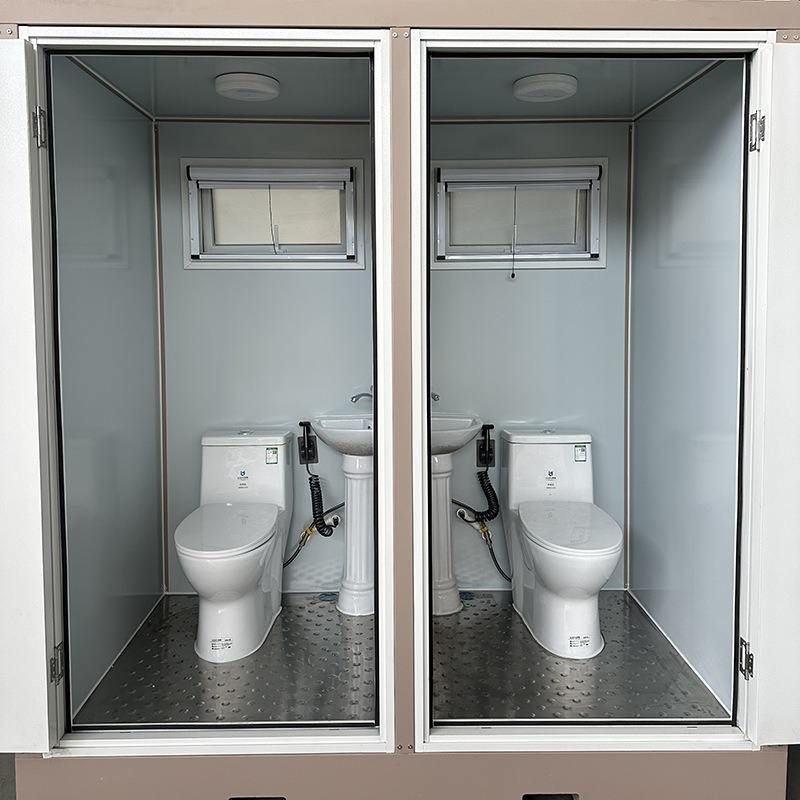
Decoration Timing and Methods
The decoration of concrete prefabricated houses is typically carried out after the house assembly is completed. Since major components such as walls and floors are prefabricated in the factory, on-site decoration work focuses on internal space division, wall and floor treatment, and installation of water and electricity pipelines. The flatness and precision of prefabricated components can be fully utilized to reduce on-site leveling and grinding processes. For example, walls can be directly plastered or covered with panels, and floors can be directly tiled or floored, significantly improving decoration efficiency and quality.
Selection of Decoration Materials
Material selection should consider environmental friendliness, durability, and compatibility. For wall materials, lightweight and eco-friendly panels (such as calcium silicate boards and bamboo-wood fiber boards) or low-formaldehyde paints are recommended. Heavy stones should be avoided to reduce structural loads. For floor materials, durable and easy-to-clean tiles or laminate flooring are preferred. If enhanced thermal insulation is required, underfloor heating modules or insulation pads can be installed. For door and window systems, double-glazed units can be used to further improve the house's thermal insulation performance, creating a synergistic effect with the energy-saving characteristics of prefabricated houses.
Decoration Precautions
- Protecting Prefabricated Components: During decoration, avoid striking, drilling, or otherwise damaging components (such as embedded parts and connection nodes) to prevent compromising structural safety.
- Joint Treatment: Joints between prefabricated components should be filled with specialized joint sealants (such as polyurethane sealants) or elastic putty to ensure tightness and prevent leakage. Aesthetic improvements can be made through grinding and painting with matching colors.
- Style Coordination: Prefabricated houses often feature a modern and minimalist style. During decoration, complex shapes should be avoided, and simple lines and neutral colors should be chosen. For example, white and gray can be used as the main colors, complemented by a small amount of wood or metal elements, to maintain a unified overall style.
Decoration Advantages
- Short Construction Period: Prefabricated components reduce on-site wet work, shortening the decoration period by 30%-50% compared to traditional houses.
- Controllable Quality: The precision of prefabricated components reaches the millimeter level, reducing on-site construction errors and making it easier to meet standards for wall perpendicularity, floor flatness, and other indicators.
- Excellent Environmental Performance: On-site dust and noise pollution are significantly reduced, and construction waste is reduced by about 60%, meeting green construction standards.



