
Cold Storage Mobile Toilet Installation Video
Currently, there are no dedicated resources specifically for 'cold storage mobile toilet installation videos,' but you can refer to general mobile toilet installation videos and adapt them to the characteristics of cold storage environments. Here are the details:
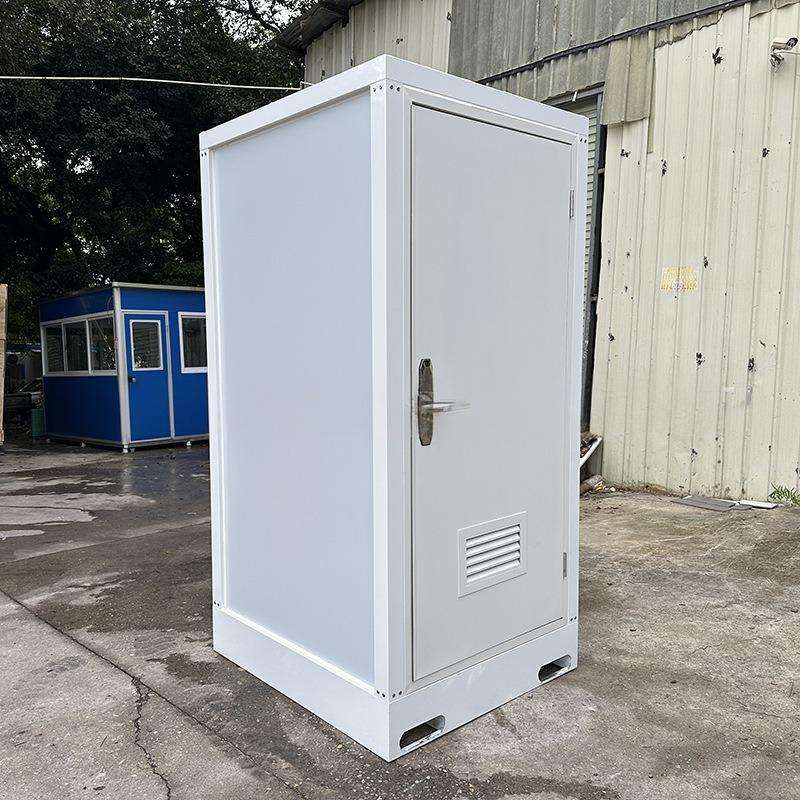
Reference Value of Mobile Toilet Installation Videos
Among publicly available resources, there are various types of mobile toilet installation videos, such as 'Mobile Toilet Installation Video' and 'Squat Toilet Direct-Discharge Mobile Toilet Installation Video'. These videos typically cover the basic installation procedures for mobile toilets, including core steps like main structure assembly, sewage pipe connection, and water and electricity system debugging. For example, main structure installation may involve modular assembly or frame fixation, sewage pipe connection requires ensuring tightness to prevent leakage, and water and electricity system debugging involves checking water supply pressure and circuit stability. These operations are generally applicable in conventional environments and can provide a basic framework for installation in cold storage settings.
Special Adaptation Requirements for Cold Storage Environments
Cold storage environments differ significantly from conventional environments, primarily in terms of low temperatures, high humidity, and potential frosting issues. Therefore, when referring to conventional installation videos, it is essential to consider the following adaptation measures:
- Material Selection: Temperatures inside cold storage can drop to -20°C or even lower. It is necessary to use low-temperature-resistant materials (such as stainless steel or special plastics) instead of ordinary metal or rubber components to prevent material embrittlement or seal failure. For example, if ordinary PVC pipes are used for sewage pipes, they may become brittle and crack at low temperatures, necessitating the use of low-temperature-resistant PE pipes or metal pipes instead.
- Anti-Frost Design: The high humidity in cold storage environments makes metal surfaces prone to frosting. Anti-freeze lubricants should be applied to critical parts (such as hinges and locks), and drainage outlets should be designed with anti-freeze features (such as heating wires or sloped drainage structures) to prevent blockage due to icing.
- Insulation Measures: If mobile toilets are to be used in cold storage for extended periods, insulation treatment should be applied to vulnerable parts such as water tanks and pipes. This can include wrapping with insulation cotton or installing electric tracing tapes to prevent water freezing and system failure.
Operational Recommendations
To install a mobile toilet in a cold storage environment, follow these steps:
- Environmental Assessment: Measure the temperature, humidity, and spatial dimensions of the cold storage to confirm whether they meet the operational requirements of the mobile toilet (such as minimum temperature limits).
- Material Adaptation: Select low-temperature-resistant and moisture-proof materials and accessories based on environmental parameters, replacing ordinary components in conventional installation videos.
- Basic Installation: Refer to the videos to complete the main structure assembly and sewage pipe connection, paying special attention to checking tightness (such as using sealant or rubber gaskets).
- Environmental Adaptation Modifications: Add special designs for anti-frosting and insulation, and test the stability of the water and electricity systems at low temperatures.
- Acceptance Testing: Simulate cold storage operating conditions (such as lowering the temperature to the target level) to check whether all functions of the toilet are normal.



