
Quay lại blog
Bài viết
Cleaning Mobile Toilets
Quản trị 20 tháng 9, 2026
Cleaning mobile toilets requires following a standardized process that covers operational preparation, waste treatment, cleaning and disinfection, and equipment maintenance. The specific steps are as follows:
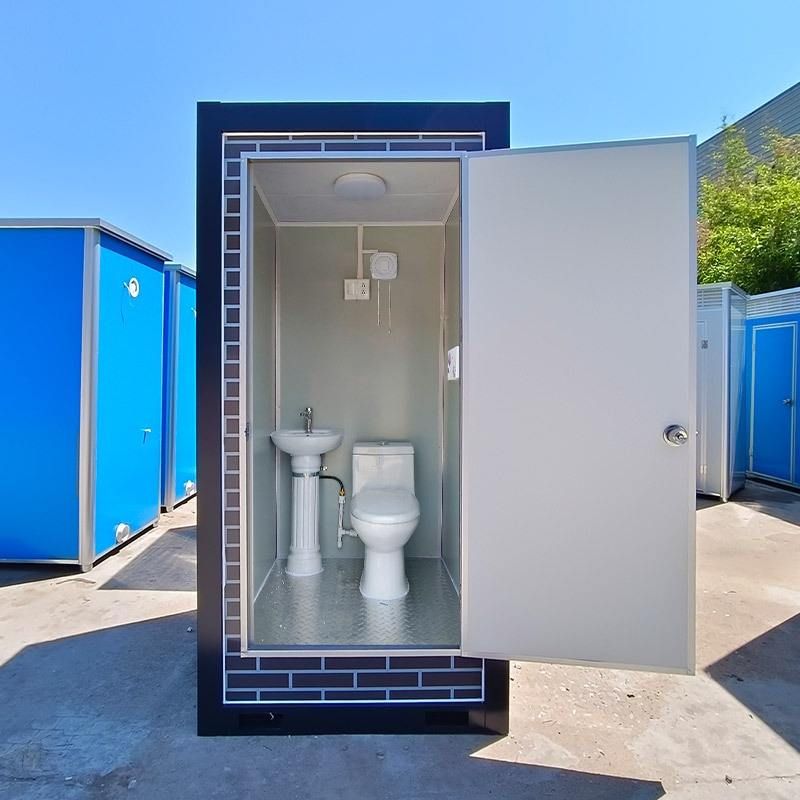
I. Pre-Operational Preparation
- Protection and Isolation: Operators must wear waterproof aprons, non-slip rubber boots, nitrile gloves, and goggles. Set up mobile warning signs to isolate the work area.
- Tool and Reagent Preparation: Equip with a high-power vacuum sewage truck (including corrosion-resistant hoses), a high-pressure cleaning machine (pressure 120-180 bar), long-handled brushes, non-ionic surfactant cleaners, chlorine or hydrogen peroxide-based disinfectants (effective chlorine 500-1000 mg/L), and independently sealed waste collection bags.
- Equipment Inspection: Confirm the connection status of the sewage discharge valve, check the liquid level indicator and ground leakage, and ensure operational safety.
II. Waste Treatment
- Emptying Waste: Tightly connect the suction hose to the sewage outlet, start the vacuum pump, and slowly extract liquids and solid residues from the storage tank to avoid pipe blockage. After completion, inject a small amount of clean water for a second suction to remove residues from the tank walls.
- Flushing and Cleaning: Use a high-pressure cleaning machine to spray the toilet walls, fixtures, floors, and dead corners with a fan-shaped water jet, focusing on removing excreta, tissues, and calcified dirt. Stubborn stains require scrubbing with a long-handled brush dipped in cleaner to ensure no organic residues remain.
III. Deep Disinfection and Air Treatment
- Surface Disinfection: Apply disinfectant by spraying or wiping over contact surfaces such as door handles and flush buttons, maintaining contact for 10-15 minutes before rinsing with clean water to prevent skin irritation from chemical residues.
- Tool Disinfection: Disinfect suction hoses, connectors, and cleaning tools with the same intensity to avoid cross-contamination.
- Odor Treatment: Use atomized deodorizers to neutralize ammonia and hydrogen sulfide instead of masking odors with fragrances.
IV. Equipment Maintenance and Waste Disposal
- Component Inspection: During cleaning, inspect the toilet seat seals, exhaust fans, door lock hinges, and solar systems, record damaged components, and report them.
- Biodegradation Treatment: Leave clean water in the storage tank and add biodegradable agents to decompose residual organic matter and suppress odors.
- Regulated Discharge: Transport waste and wastewater to designated sewage treatment facilities or septic tanks. It is strictly prohibited to dump them into storm drains or non-designed sewer networks.
- Record Keeping: Fill out record sheets detailing cleaning time, disinfectant usage, equipment status, and wastewater flow direction.
V. Regular Maintenance Recommendations
- Daily Maintenance: Clean toilets and urinals daily, disinfect with chlorine-based disinfectants; inspect drainage/water supply pipes weekly to clear blockages; check door locks, handles, and other fittings monthly and replace damaged parts.
- Quarterly Maintenance: Inspect the overall structure of the toilet quarterly, repair or reinforce damaged parts to ensure stability. Maintenance frequency should be adjusted based on usage, with shorter cycles for high-frequency usage scenarios.



