
Civil Prefabricated Housing
Civil prefabricated housing is a form of construction that involves the industrial production of building components and their on-site assembly. It offers core advantages such as short construction periods, energy efficiency, environmental protection, and strong adaptability. It has been widely applied in scenarios such as residential housing, elderly care apartments, and hotels, and is showing a trend of globalization.
Technical Systems and Types
The technical systems of civil prefabricated housing mainly include prefabricated concrete structures and steel structures, with components covering prefabricated products such as beams, slabs, walls, and columns. Based on the assembly method, they can be divided into three categories:
- Panel-based Assembly: This method primarily uses prefabricated wall panels, floor slabs, and other components, which are assembled on-site to form the main structure of the building. It is suitable for multi-story residential buildings or public buildings.
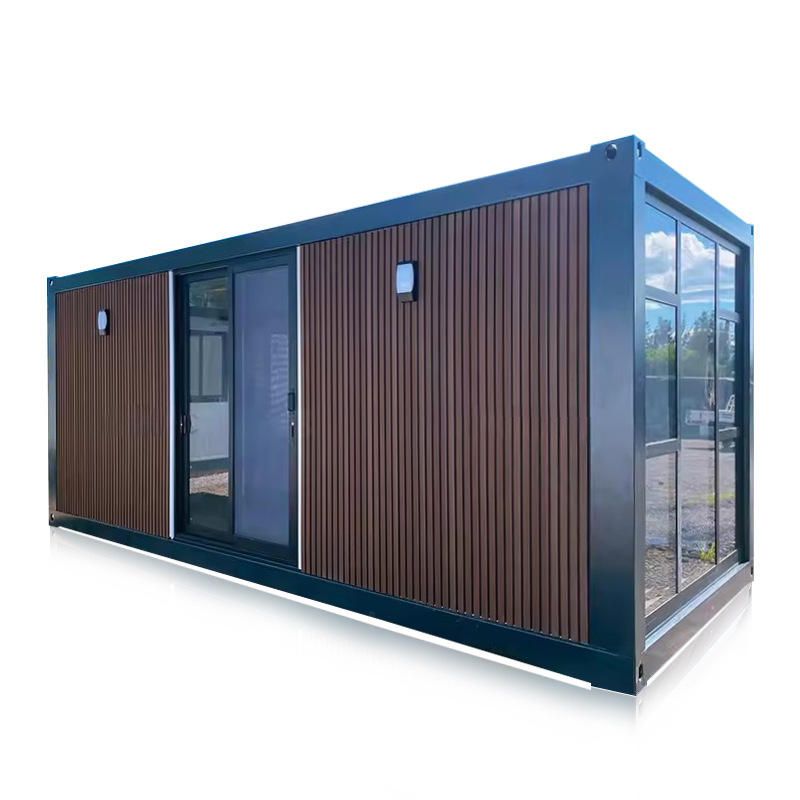
- Box-based Assembly: Complete rooms (such as bedrooms and kitchens) are prefabricated as modules in factories and then directly stacked and installed on-site. A typical example is the Chinese modular elderly care apartment purchased by British merchants, where 63 modules were installed in two weeks.
- Frame-based Assembly: This method centers around a prefabricated frame structure, paired with prefabricated enclosure components. It offers high flexibility and is suitable for high-rise buildings or projects with complex shapes.
Core Advantages
- High Construction Efficiency: Modular buildings are prefabricated in factories for structures, walls, utilities, and finishes, resulting in on-site assembly efficiency that is 50%-70% higher than traditional methods, with a reduction in construction waste of over 70%. For example, an 84-module hotel project in Papua New Guinea was quickly completed after more than a month of transportation.
- Energy Efficiency and Environmental Protection: Industrial production reduces on-site wet work, lowering energy consumption and dust pollution. Components can be recycled, meeting green building standards.
- Strong Adaptability: Steel structures are lightweight and suitable for ocean transportation to remote areas. Concrete structures are closer to traditional living experiences, meeting diverse market demands.
Application Scenarios and Market
Civil prefabricated housing has been widely used in scenarios such as residential housing, elderly care apartments, dormitories, hotels, data centers, and office buildings. In terms of export data, in the first four months of 2026, the Guangzhou Customs District exported movable houses worth 1.4 billion yuan (a year-on-year increase of 38.1%), and the Shenzhen Port exported 1.68 billion yuan (a year-on-year increase of 19.6%), mainly to over 150 countries and regions including ASEAN, the UK, and Australia. Market research institutions predict that by 2030, the global modular building market size will exceed 142.8 billion US dollars. With its complete industrial chain advantages, China is driving the industry's transformation from 'on-site construction' to 'factory manufacturing'.
Policies and Trends
Early prefabricated panel houses in China (such as those made of hollow or solid cement components) suffered from issues such as weak earthquake resistance and poor sound and thermal insulation. Since 2022, renovation policies have focused on repairs, with only dangerous buildings being demolished. The current technical route involves the parallel development of steel structures and concrete structures, with the former being suitable for international market ocean transportation and the latter being more favored by domestic traditional living demands.



