
Circulating Water Flushing Mobile Toilet
The circulating water flushing mobile toilet is an environmentally friendly mobile toilet that utilizes biotreatment technology to achieve water resource recycling. Its core principles, structural configurations, and usage characteristics are as follows:
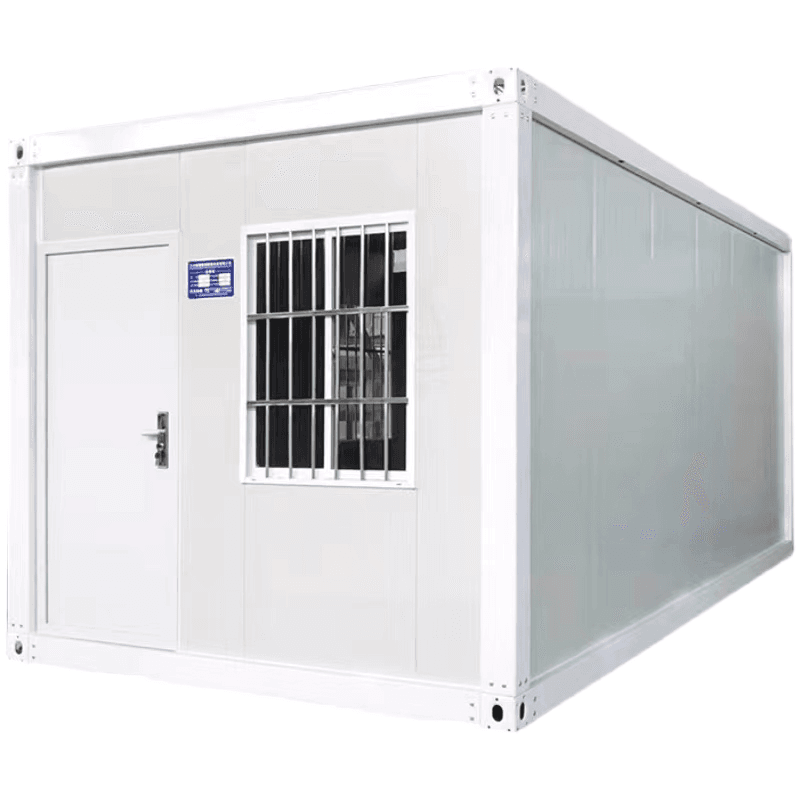
I. Sewage Treatment and Circulation Mechanism
This toilet accelerates the decomposition of fecal sewage through intermittent aerobic and anaerobic treatment units combined with biological strains and biofilm technology. The treated water meets recyclable standards and is used for subsequent toilet flushing, forming a closed-loop system of 'use-treatment-reuse'. Taking a food festival scenario as an example, it can handle up to 100 person-times per day with a sewage tank capacity of 190L, meeting the continuous usage demands in high-traffic scenarios.
II. Structural Configuration and Functional Design
- Basic Parameters: The standard size of a single toilet cubicle is 1100×1200×2550mm, weighing 88kg. It operates on 220V power supply (some models support solar power), adapting to different site conditions.
- Flushing System: It offers two operation modes: button and foot pedal, with a water tank capacity of 50L. The dual-tank design enables graded flushing—septic tank treated water is used first to flush away feces, while domestic sewage treated water is used secondarily to clean the toilet bowl surface, preventing cross-contamination.
- Automation Functions: It integrates microcomputer sewage discharge, constant temperature control, automatic lighting, and ventilation systems, reducing manual intervention. For example, when the sewage tank water level reaches the threshold, the water level alarm triggers the pump to stop working, preventing overflow.
- Additional Modules: It supports customization of accessories such as sinks, enhancing user experience while maintaining a compact structure.
III. System Composition and Workflow
The circulating flushing system consists of a pump, a septic tank treated water flushing tank, a domestic sewage treated water flushing tank, and valves. When in use, the first and second valves need to be opened sequentially, and the pump pumps the two types of treated water into the corresponding tanks. During toilet flushing, the buttons of the two tanks are operated in sequence to ensure cleaning effectiveness. This design not only extends the water resource recycling cycle but also reduces sewage discharge, meeting environmental protection requirements.
IV. Application Scenarios and Advantages
This toilet is suitable for parks, construction sites, wilderness areas, and other scenarios lacking fixed sewage discharge facilities, especially for short-term high-traffic events like food festivals. Its advantages include: water-saving and efficient (only a small amount of makeup water is needed for a single toilet cubicle handling 100 person-times per day), environmentally friendly and low-carbon (reducing sewage discharge), and flexibly deployable (modular design supports rapid installation and disassembly). Through biotreatment technology, it effectively solves the problems of strong odors and heavy pollution in traditional mobile toilets, representing an important development direction for modern public sanitation facilities.



