
Chongqing Container House Standard
The Chongqing container house standard mainly covers aspects such as size specifications, structural performance, and functional characteristics.
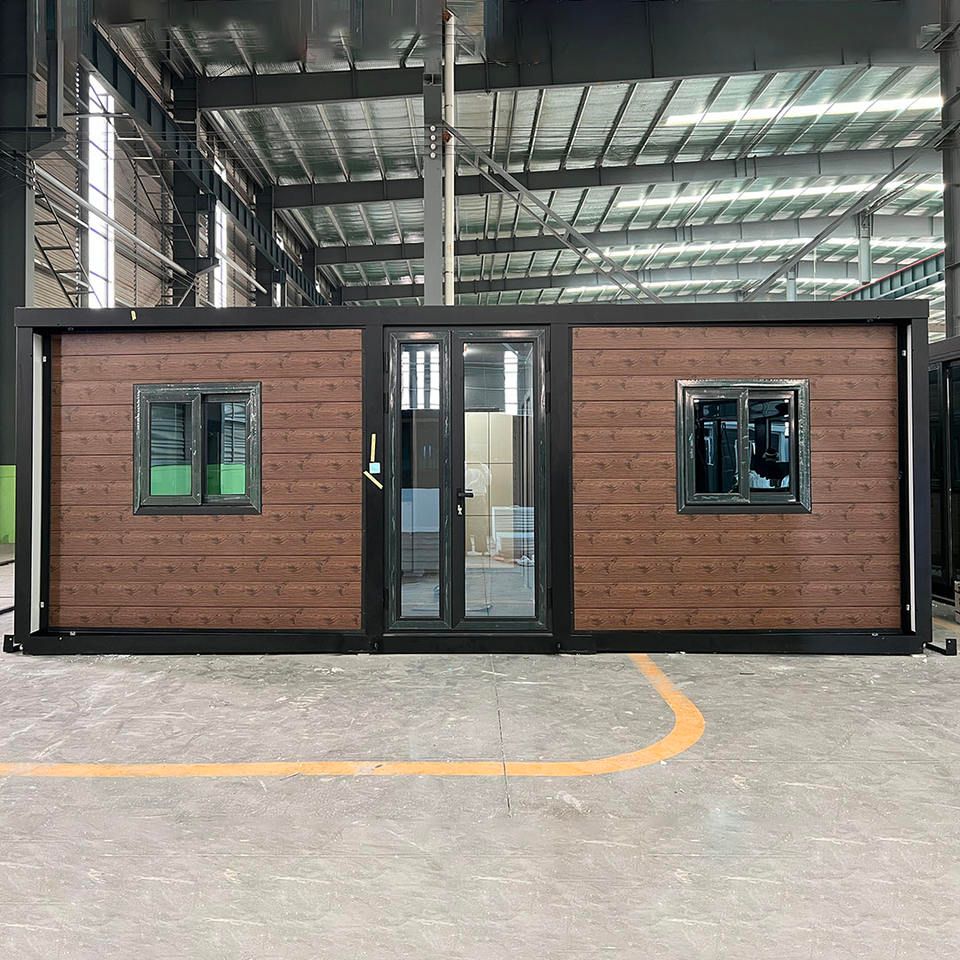
Size Specifications: Container houses commonly found in Chongqing are typically modified from standard containers. For example, in the procurement of container houses for the University Town Campus of Chongqing Normal University, the external dimensions of a single container are 6000mm3000mm3000mm, with another specification of 6000mm6000mm3000mm also available. Second-hand containers with dimensions like 3m*6m are also supplied in the market. Common standard container sizes include 20-foot and 40-foot options, which can be used individually or combined to meet varying spatial requirements across different scenarios.
Structural Performance:
- Robust and Durable: Utilizing a steel frame structure, these container houses offer resistance to wind, earthquakes, water, fire, and corrosion. For instance, products from Chongqing Pinjian Integrated Housing Co., Ltd., made entirely of steel, can withstand external impacts and harsh weather conditions, with a service life exceeding 20 years. Their excellent corrosion resistance ensures long-term stability.
- Highly Mobile: Sharing the same mobility as standard containers, they have low foundation requirements and are easy to transport, allowing for relocation as needed. Whether changing project locations or adjusting temporary uses, they can be efficiently moved and redeployed.
Functional Characteristics:
- Quick Assembly: With a short manufacturing period, no foundation required, and no construction waste on-site, these container houses can be installed directly upon arrival. For example, the deployment time for a single set of foldable office containers can be controlled within 30 minutes, and container houses can also be assembled quickly, improving usage efficiency.
- Sound and Thermal Insulation: Featuring an air-gap thermal design, they provide good sound and thermal insulation, creating a relatively comfortable indoor environment for users by reducing the impact of external noise and temperature fluctuations.
- Flexible Combination: Multiple containers can be freely combined and expanded according to the number of occupants and functional zoning, meeting diverse usage needs such as temporary office spaces in industrial parks or event planning sites.



